Prune a hydrangea at the wrong time and you will not kill it — you will simply get a summer of leaves and no flowers. The timing depends on one thing only: whether your hydrangea blooms on old wood or on new wood.
The Short Answer
Bigleaf, oakleaf, mountain, and climbing hydrangeas bloom on last year’s wood, so prune them lightly and only right after they finish flowering. Panicle and smooth hydrangeas bloom on new wood, so prune them hard in late winter or early spring, before growth starts. Reblooming types bloom on both, so keep cuts light and deadhead after the first flush. If you are not sure which type you have, remove only dead wood — safe on every hydrangea.
The One Rule: Know Your Type Before You Cut
Old-wood hydrangeas set next year’s flower buds in late summer and autumn, and those buds sit on the plant all winter — cut those stems in winter or spring and you cut the flowers off with them. New-wood hydrangeas grow fresh stems in spring and form buds on that new growth, so a hard winter cut makes them flower better.
Never prune by the calendar alone. A month that is right in Georgia can be wrong in Minnesota, because bloom times shift with climate. Tie every cut to the plant’s stage, and treat the months below as a rough guide.
Pruning Timing At A Glance
| Type | Blooms On | When To Prune | How Hard |
|---|---|---|---|
| Bigleaf (mophead, lacecap) | Old wood | Right after flowering, or a light tidy in early spring | Light only — deadhead and thin |
| Panicle | New wood | Late winter to early spring | Hard — cut to a low framework |
| Smooth (‘Annabelle’) | New wood | Late winter to early spring | Hard — can go very low |
| Oakleaf | Old wood | Immediately after flowering | Minimal — dead wood and shaping only |
| Mountain (serrata) | Old wood | Right after flowering | Light, like bigleaf |
| Climbing | Old wood (majority view) | After flowering, mid to late summer | Light — shorten branches growing away from the wall |
| Reblooming (Endless Summer types) | Both woods | Light trim after the first flush; dead wood in spring | Light only |
How To Tell Which Hydrangea You Have?
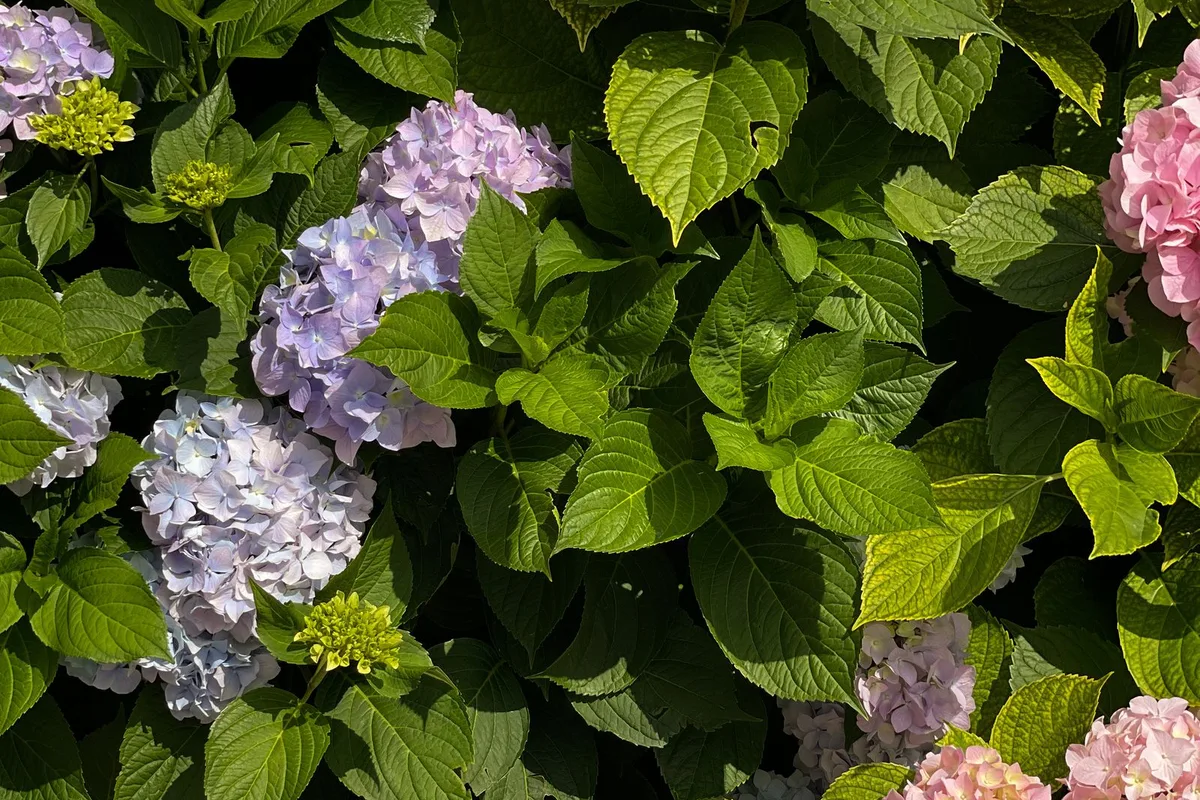
If you planted it, the label is the fastest answer. If you inherited the shrub, the flowers will tell you — and in winter, the stems will.
Flower shape is the clearest clue. Round mophead balls and flat lacecap discs belong to bigleaf hydrangeas — old-wood types. Tall cones belong to panicle hydrangeas, which are new-wood types. Big round white drumsticks belong to smooth hydrangeas like ‘Annabelle’, also new wood. Oakleaf is easy to spot even without flowers: its leaves are shaped like oak leaves, and its flowers are white cones that fade to pink. Bloom season helps only roughly, because most hydrangeas bloom in summer regardless of wood type.
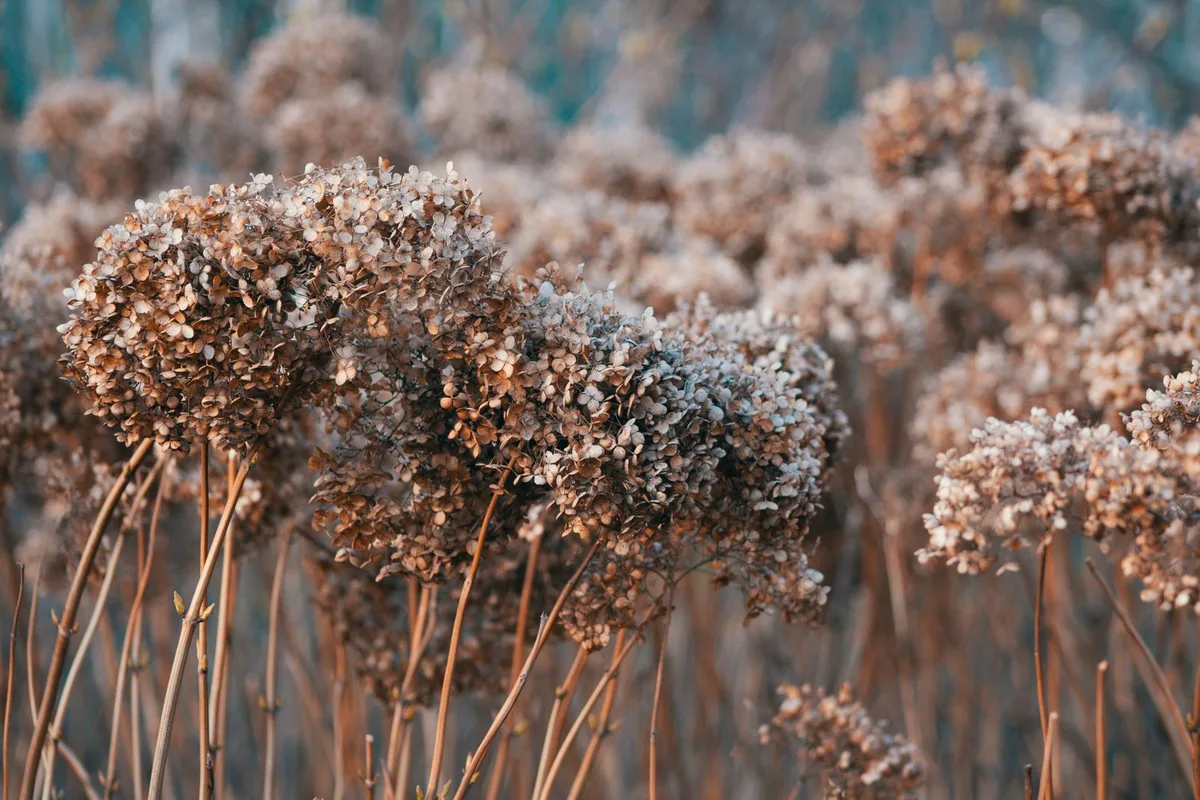
In winter, look at the stems. New-season wood is darker and smoother; older wood is paler, woodier, and rougher. Last season’s flower heads help too: their shape — round ball, flat disc, or cone — is the same clue. Big, fat buds at the tips of stems are next year’s flowers on an old-wood type, so leave them alone.
If you still cannot identify yours, use the safe default: deadhead to the first strong bud pair, remove only dead, damaged, and crossing wood, and prune nothing else until you have seen it flower.
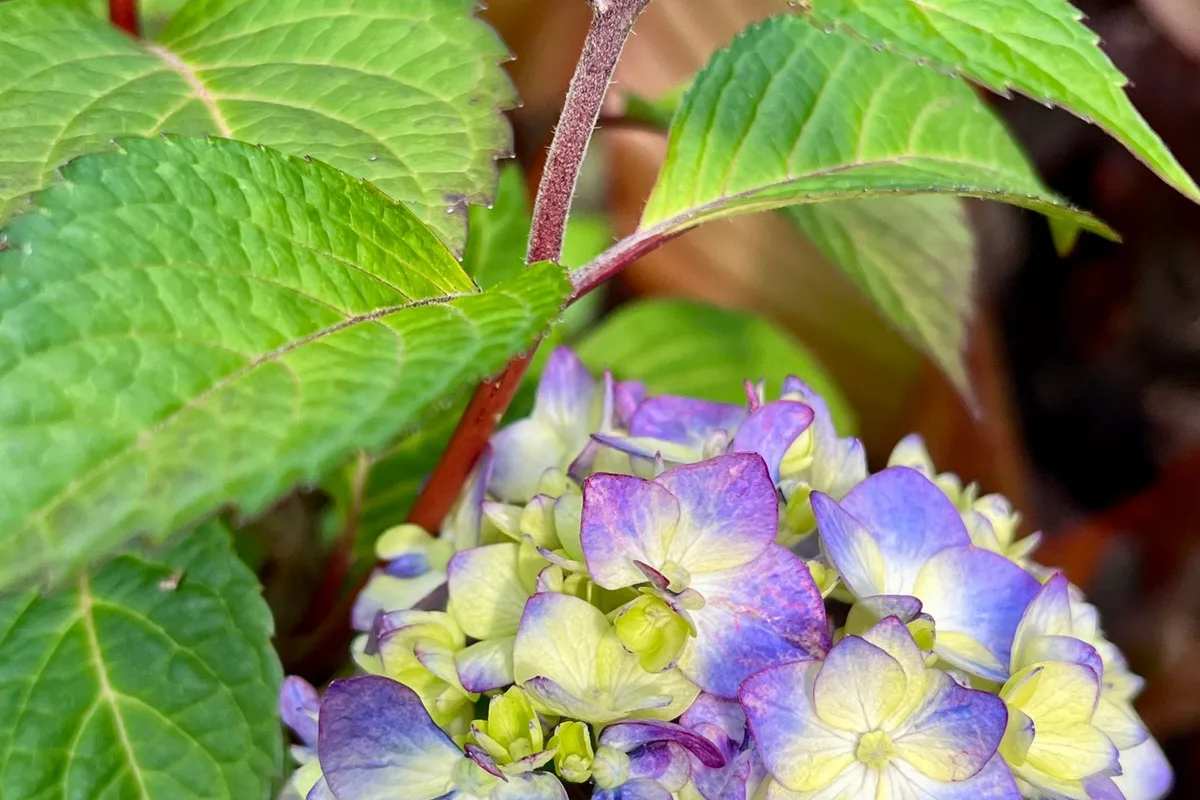
When To Prune Each Type Of Hydrangea?
Bigleaf Hydrangeas (Mophead And Lacecap) — Old Wood
Bigleaf hydrangeas are the ones most people get wrong, because two respected camps disagree about the light tidy. One camp prunes right after flowering in late summer; the other leaves the faded heads on all winter and tidies in early spring. Both cut spent heads back to the first strong bud pair and remove about a quarter of the oldest stems at the base each year.
The disagreement is really about frost: dead heads shield the buds beneath them. So match the timing to your climate — cold-winter regions: leave the heads on until early spring; mild-winter regions: tidy up right after flowering. Either way, never cut bigleaf stems back hard in spring — the most common beginner mistake, and it costs a whole season of flowers. One widely shared online guide even recommends cutting old bigleaf stems to a few inches above the ground in late winter — that would remove every bud and leave you with leaves only. Ignore it.
Panicle Hydrangeas — New Wood
Panicles are the forgiving ones. Prune them in late winter or early spring, just before growth starts, cutting back hard to a low framework above healthy buds. Guides give different heights — roughly 12 to 24 inches — and there is no single magic number. The real rule is a trade-off: cut harder for fewer, larger flower heads, or cut lighter for more heads that are smaller. For the biggest heads, cut to the lowest healthy pair of buds; for a taller plant, leave about two feet. Unpruned panicles can reach 15 feet, so the annual hard cut also keeps the size garden-friendly.
Smooth Hydrangeas (Annabelle) — New Wood
‘Annabelle’ follows the same late-winter window as panicle, and it is the most forgiving hydrangea of all — it can be cut right back to near ground level and will still flower the same summer on its new stems. The one problem is flopping: huge white heads on thin new stems collapse in summer rain. If yours flops every year, prune slightly less hard, or stake it.
Oakleaf Hydrangeas — Old Wood
Oakleaf hydrangeas bloom on old wood, so prune them immediately after flowering in summer, and keep it minimal: remove dead wood, take out over-long stems, and shape lightly. Oakleafs resent heavy cutting, and need very little of it — their natural shape, peeling bark, and autumn leaf color are the point.
Mountain Hydrangeas — Old Wood
Mountain hydrangeas (Hydrangea serrata) are close cousins of bigleaf and follow the same rule: prune lightly right after flowering, deadheading to a strong bud pair and thinning the oldest stems. They are smaller and hardier than bigleaf, but the timing logic is identical.
Climbing Hydrangeas — After Flowering
Climbing hydrangeas need the least pruning of all. After flowering in mid to late summer, shorten branches growing out from the wall and remove dead wood. Leave the top of the plant alone — that is where most flowers form. Renovation, if ever needed, should be staggered over three or four years.
One honest note: the sources disagree here. Four guides place climbing hydrangeas with the old-wood types; one major retailer says they bloom on new wood and should be pruned in late winter. I am following the majority, because it includes the most detailed guides.
Reblooming Hydrangeas (Endless Summer) — Both Woods
Reblooming types bloom on both old and new wood, which makes them the most forgiving of the old-wood family — but they still do not want a hard cut. Deadhead spent mopheads after the first flush, back to stems at least pencil-thick, to encourage a second round of flowers. In spring, remove only dead wood and weak stems. A heavy spring prune delays blooming and can shorten the rebloom window, which defeats the purpose of buying a rebloomer.
A Month-By-Month Calendar
| Season | Old-Wood Types | New-Wood Types |
|---|---|---|
| Late winter | Leave alone — only remove wood that is clearly dead | Prune hard, before buds swell |
| Spring | Light tidy of bigleaf heads (cold regions); remove dead wood on rebloomers | Watch for late frost on new shoots; no more pruning |
| Summer | Prune immediately after flowering; deadhead rebloomers after the first flush | Enjoy the flowers; deadhead if you like |
| Autumn | Stop cutting old-wood types after August 1st — buds for next year are already set | Leave the stems standing; cut back in late winter, not now |
Remember the August 1st cutoff: never prune old-wood types after that date, because next year’s buds are already set.
The University of Georgia Extension’s comprehensive pruning guide sets out the same four-type split and timing rule, placing bigleaf and oakleaf pruning a little earlier — “late spring or early summer” — which likely reflects Georgia’s earlier bloom season. University of Georgia Extension pruning guide
Tools You Need And How To Keep Them Clean
You do not need much, but it should be sharp: dull blades crush stems, and crushed stems heal slowly and invite disease.
Bypass secateurs do almost everything — choose bypass over anvil for a cleaner cut. Keep them for stems up to about an inch thick. Loppers handle thicker basal stems. A pruning saw is only needed for very woody, neglected growth. Add gloves and long sleeves — hydrangea stems are scratchy at close quarters.
Cleanliness matters as much as sharpness. Wipe the blades with rubbing alcohol or diluted bleach before you start, disinfect between plants — and between cuts on diseased wood. Sharpen every few months, and wipe with an oily cloth after the job to keep rust away.
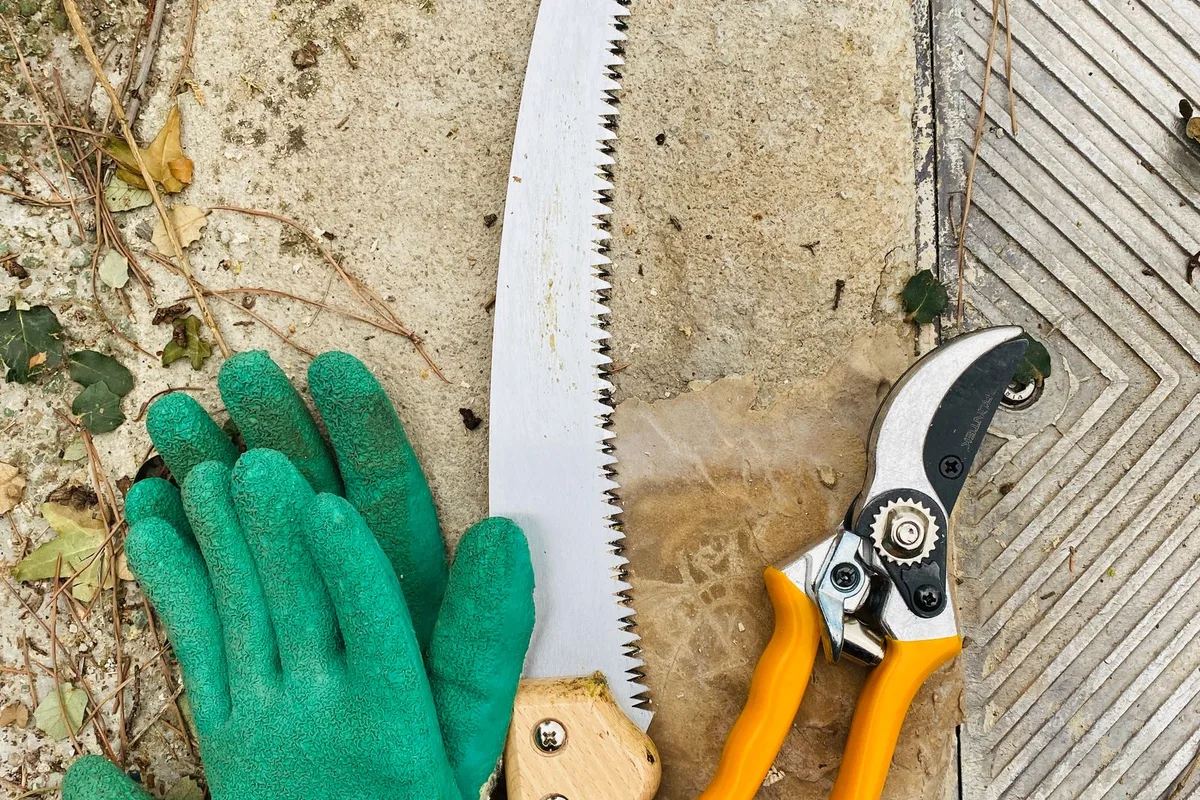
How To Prune Hydrangeas Step By Step?
Work through these steps in order; only step three changes by type.
Step 1: Take out the dead wood first. Remove anything dead, damaged, or diseased. After a hard winter, do not rush this step. Use the scratch test: scrape a little bark — green underneath means alive, brown and dry means dead. Bend thin stems gently: living wood flexes, dead wood snaps. If you are unsure, wait — buds that look dead in March often open in April.
Step 2: Remove crossing and rubbing stems. Crossing stems wound each other over time, and wounds invite disease. Take out the weaker of each crossing pair, cutting back to where it joins a larger stem or to a healthy outward-facing bud.
Step 3: Make the type-specific cut. On old-wood types, deadhead each spent bloom back to the first strong pair of buds below it — those buds are next year’s flowers. On new-wood types, cut each stem back to a low framework, roughly 12 to 24 inches high, above a healthy pair of buds. Leave three to five buds per stem: fewer for oversized heads, more for a fuller plant.
Step 4: Thin the oldest stems. On old-wood types, remove about a third of the oldest stems at the base each year, so the plant renews itself gradually. On panicle types, you can remove up to a third of a mature shrub’s volume in one session. Never take more than a third of the plant at once — over-pruning causes more problems than under-pruning.
Step 5: Shape lightly, and never shear. Cut each stem individually, just above a bud, at a 45-degree angle sloping away from the bud so rain runs off the cut. Never run hedge shears over a hydrangea: on old-wood types it slices off the buds, and on new-wood types it leaves a dense shell of twigs that shades out the interior.
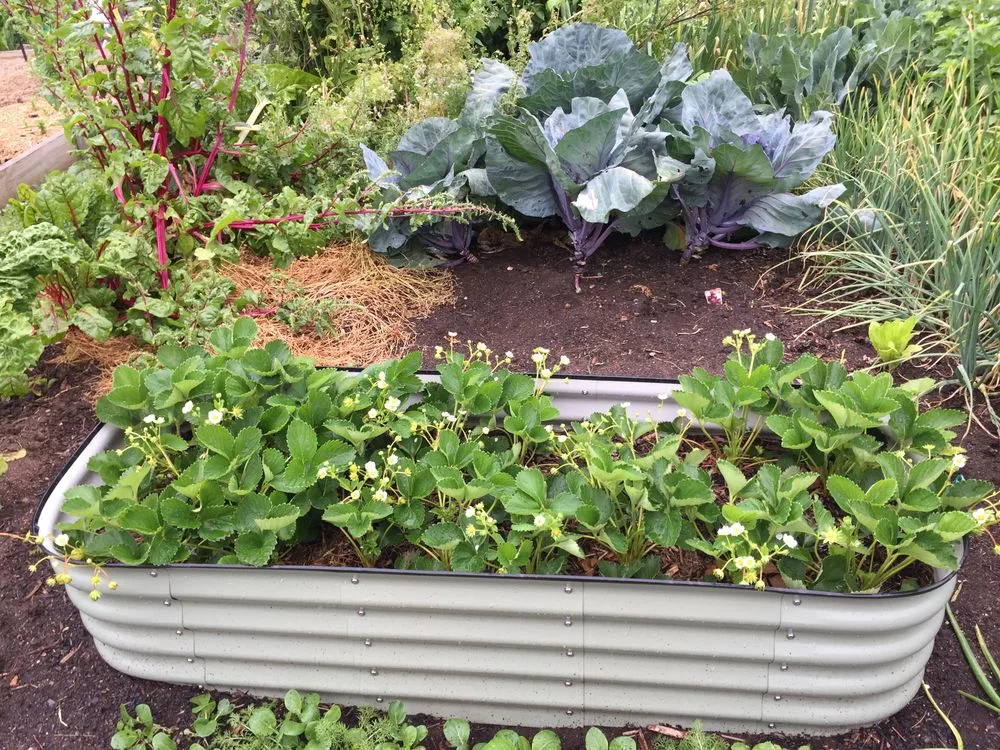
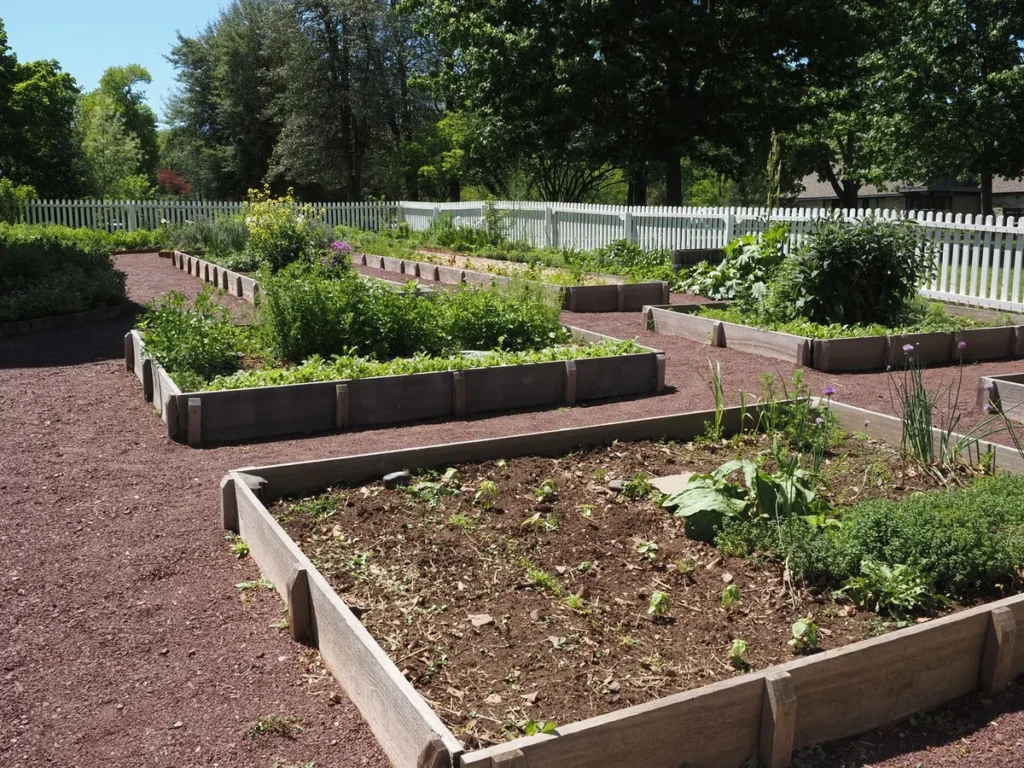
Step 6: Clean up and mulch. Rake up the prunings — do not leave diseased wood under the plant. Water deeply if the soil is dry, then spread two to four inches of shredded bark or compost around the base, a few inches away from the stems. A light balanced slow-release fertilizer in spring is enough; avoid heavy nitrogen, which pushes leaves at the expense of flowers. If your hydrangea grows in a raised bed, the soil underneath matters as much as the cut — our guide to filling a garden bed shows the layering that keeps soil loose, moist, and fertile.
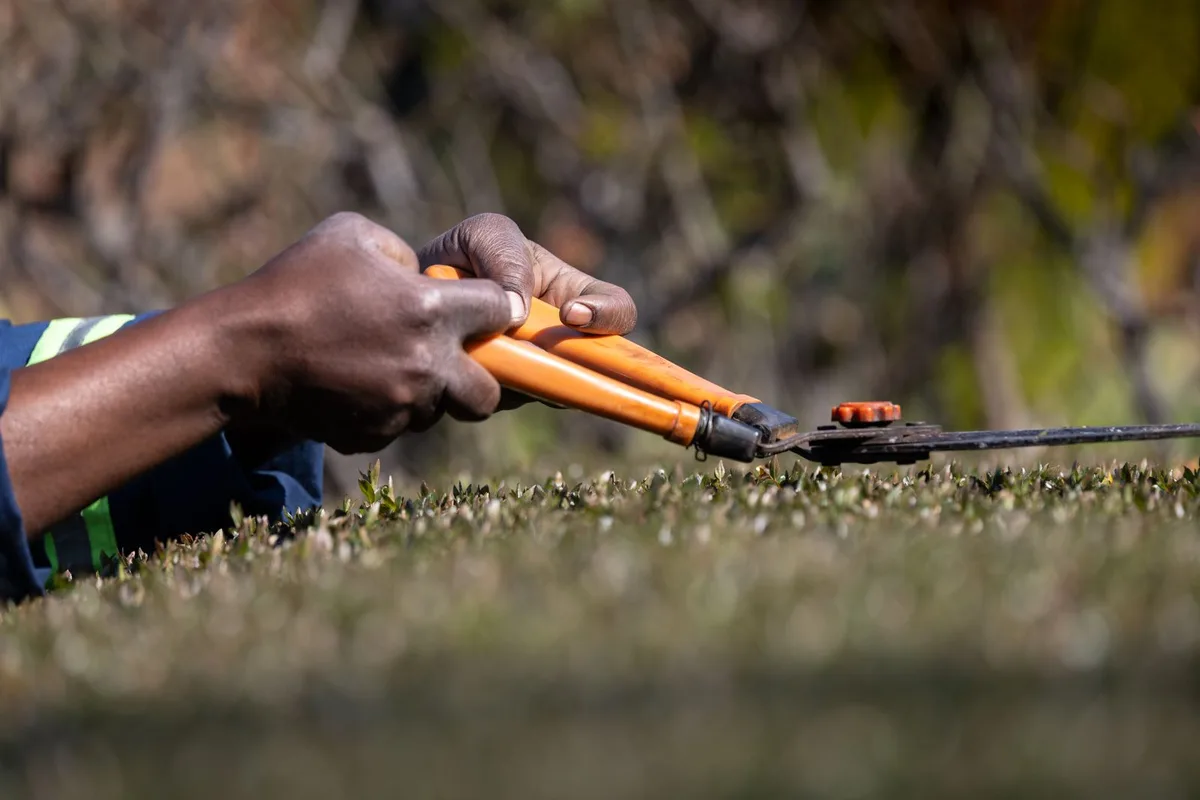
Deadheading Is Not The Same As Pruning
Deadheading removes spent flower heads; pruning shapes and renews the whole plant. Confusing the two is how most hydrangea mistakes happen.
On new-wood types, deadheading is simple and safe — snip faded heads off whenever you like, and on reblooming types it encourages a second flush. On old-wood types, timing matters: resist deadheading in autumn. Those faded heads look untidy, but they protect the buds beneath them from frost all winter. Most guides agree: leave the heads on old-wood hydrangeas until early spring, then deadhead to the first strong bud pair. One major retailer says any time of year is fine — the outlier; the frost-protection argument is safer.
For dried flowers, cut heads when they feel papery, then hang them upside down in a dry, airy spot.
How To Get Bigger Blooms?
The lever for bigger blooms works in opposite directions depending on the type, and this is where most advice goes wrong by treating all hydrangeas the same.
On new-wood types, prune harder. A hard late-winter cut leaves fewer stems, and the plant pours its energy into fewer, much larger heads — if your flowers are small and numerous, you are pruning too lightly. The trade-off is flopping on ‘Annabelle’: enormous heads on thin new stems fall over in summer rain, so prune slightly less hard or stake early.
On old-wood types, do the opposite. Never chase bigger blooms by cutting harder — a hard cut on bigleaf or oakleaf removes the flowers entirely. Instead, refresh the plant by removing the oldest stems at the base each year, feed lightly in spring, and mulch well — no amount of cutting improves on a healthy, well-fed plant.
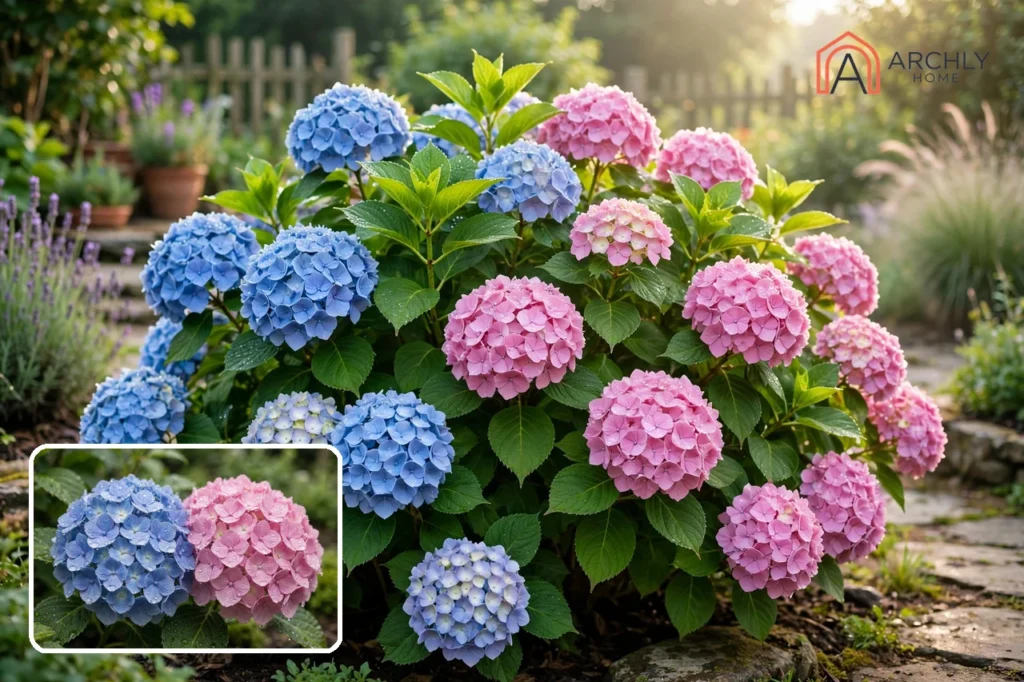
Pruning does not change flower color. Only soil acidity changes the color of mophead and lacecap blooms, and only on varieties that can shift — if your blue hydrangea turned pink, the shears had nothing to do with it.
Pruning Hydrangeas In Pots
Potted hydrangeas follow exactly the same type rules as the ones in the ground. A potted bigleaf still blooms on old wood and gets only a light tidy after flowering; a potted panicle still gets its hard late-winter cut.
What changes in a pot is everything around the cut: plants dry out faster and run out of food sooner, so feeding and watering matter more than the pruning. Thin out whippy, weak old stems at the base if the plant looks sparse, and remove dead wood in spring as usual. Feed lightly, water consistently — potted hydrangeas wilt fast in summer heat — and remember a pot-bound plant flowers poorly no matter how well you prune it. If roots are circling the pot, repot in spring before growth starts.
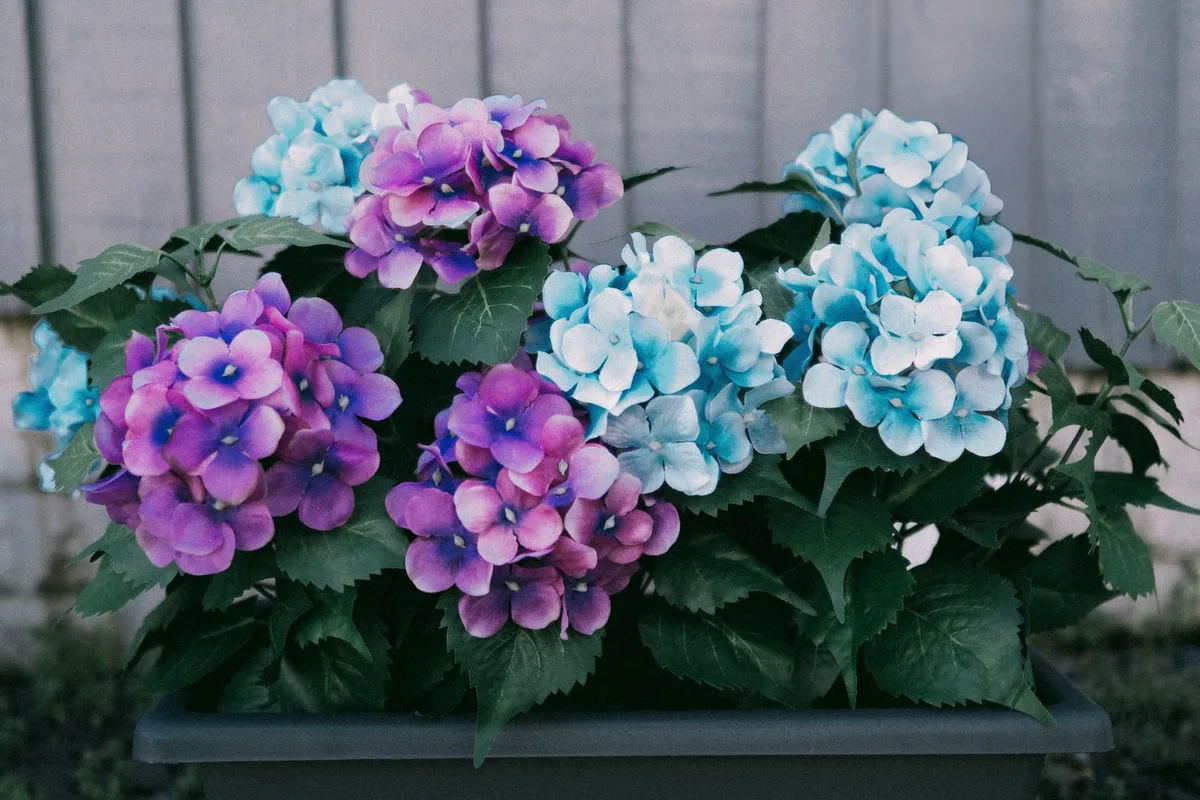
Renovating An Old, Overgrown Hydrangea
A hydrangea untouched for years is not a lost cause — but the method depends, again, on the wood type.
Old-wood types: go slow. Remove up to a third of the oldest stems at the base each year, over three years. The plant keeps flowering while it renews itself, and by year three you have a young shrub again. The drastic alternative — cutting everything to the base in early spring — recovers strongly but gives no flowers that summer; blooms return the following year. The slow route is better unless the shrub is beyond saving.
New-wood types: go hard. Cut the whole plant back hard in late winter and it will flower the same season. Panicle and smooth hydrangeas are built for this — one hard cut can take a tangled shrub back to a tidy framework.
Either way: water well, mulch two to four inches deep, and do not fertilize heavily in the first season — the plant needs to rebuild roots before it is pushed to grow.
Mistakes That Cost You Flowers And How To Fix Them
Pruning a bigleaf hard in spring. The classic mistake. You cut the stems, the plant leafs out beautifully, and summer arrives with no flowers at all. The fix is patience: skip pruning the following year, protect the plant from winter damage, and the blooms return in the second season. A bad cut costs one season of flowers, not the plant.
Pruning old-wood types after August 1st. Buds for next year are already set by late summer — anything you cut after that is a flower you will not see. If you missed the window, wait until after next year’s bloom.
Removing more than a third at once. A plant that loses most of its growth in one session spends the next year recovering instead of flowering — spread renewal over years.
Dull or dirty tools. Crushed stems heal slowly, and dirty blades spread problems between plants. Sharpen and disinfect — it takes two minutes.
Pruning in extreme heat or drought. Cutting a stressed plant forces new growth it cannot support — wait for cooler, damper weather.
If you already pruned wrong: do not prune again the following year. Water consistently, mulch well, and protect the plant from hard frost. Most hydrangeas recover within a season or two, once the buds have had a full year to set.
Frequently Asked Questions
Can You Cut Hydrangeas Right Back To The Ground?
Only new-wood types: panicle and smooth hydrangeas cut back hard in late winter flower the same summer. Never do this to bigleaf, oakleaf, mountain, or climbing hydrangeas — they bloom on last year’s wood, so you would remove every flower for the coming season.
Is It Too Late To Prune My Hydrangea?
It depends on the type. For old-wood types, once August has passed, wait until after next year’s flowers fade. For new-wood types, prune until about four weeks before the last frost.
Should You Cut Hydrangeas Back For Winter?
No. Leave the stems and spent heads standing through winter — they protect next year’s buds from frost. Cut new-wood types back in late winter, not autumn.
When Should I Prune Annabelle?
Prune ‘Annabelle’ in late winter or early spring, before new growth starts, cutting back hard to 12 to 18 inches. If the heads flop in summer rain, prune slightly less hard next year or stake the plant.
Why Did My Hydrangea Not Flower This Year?
Wrong pruning time is the most common cause — a spring cut on an old-wood type removes the buds. Other causes: late frost on exposed buds, too much shade, and a young plant still settling in. Check timing first, then light, then be patient.
Does Pruning Change Hydrangea Flower Color?
No. Soil acidity changes the color of mophead and lacecap blooms — acidic soil gives blue, alkaline gives pink — and only on varieties that can shift. White hydrangeas never change color.