
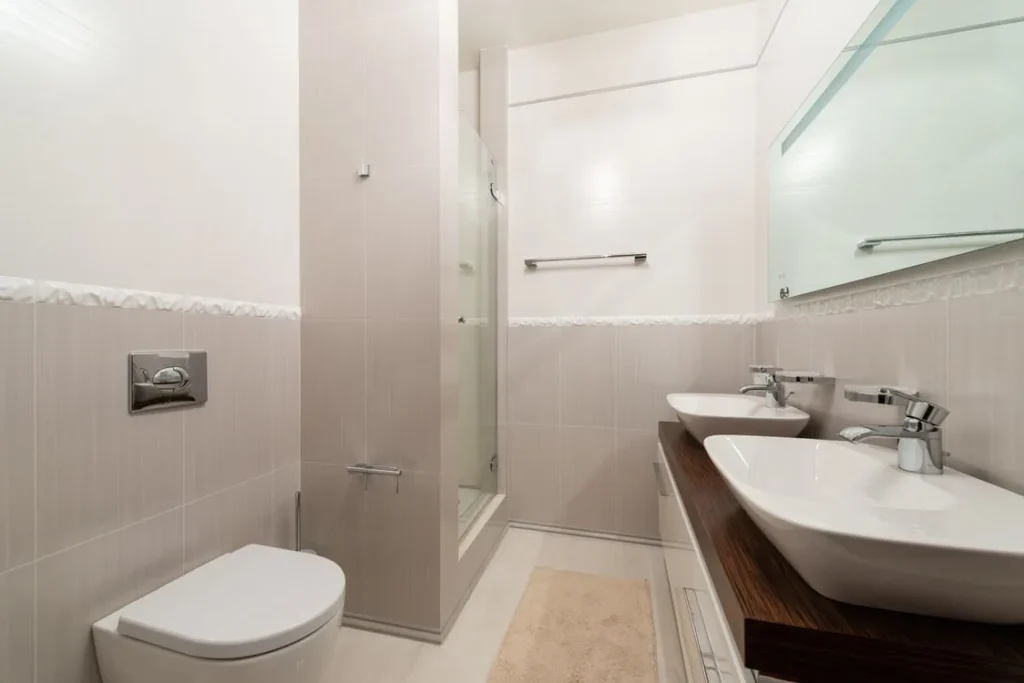
A sink that holds a shallow pool after you brush your teeth, a shower that turns into a foot bath halfway through, a toilet that rises a little too high before it settles — each one is annoying in its own way, and each one usually has a different cause. That difference matters. The method that clears a bathroom sink full of hair and soap residue will not necessarily help a kitchen sink lined with cooled grease, and neither one is the right first move for a toilet.
The good news is that most single-fixture clogs sit close to the drain itself, where simple tools can reach them. Work in order, from the gentlest and most visible fix to the more involved ones, and stop as soon as the water runs freely again. There is no prize for taking apart more plumbing than the clog requires, and forcing a tool past its limit can turn a small blockage into a leak or a damaged fixture.
This guide covers general home information only. It is not a substitute for a qualified plumber, and anything involving sewage, a main line, or pipes you cannot identify should be left to a professional.
Start By Reading The Drain Before You Reach For A Tool
Before you touch a plunger, spend two minutes watching what the drain actually does. Run a small amount of water, then stop, and notice whether it drains slowly, stands still, or comes back up somewhere else. That short observation narrows the problem fast.
A drain that is slow but still moving usually has a partial blockage near the opening or in the trap below the sink. A drain that does not move at all may have a fuller blockage in the same area, or something solid caught in the pipe. Water that rises in a tub when a toilet flushes, or a sink that gurgles when the washing machine runs, points somewhere deeper, where the fixtures share a line. That pattern is a reason to stop and read the warning signs near the end of this guide before going further.
Also check whether the problem is truly one fixture. Try one other drain in a different room. If only the first fixture is affected, the clog is most likely local. If several fixtures misbehave at once, the blockage is probably beyond what household tools should tackle.
What You Will Need For Most Home Drains
You do not need a workshop full of equipment for a typical clog. Gather these before you start, so you are not hunting for a bucket with dirty water already in the sink:
- A cup plunger for sinks, showers, and tubs, and a flange plunger for toilets
- Rubber gloves and old towels or rags
- A bucket that fits under the sink
- An adjustable wrench or slip-joint pliers
- A hand drain snake, sometimes called a hand auger, for sinks and tubs
- A closet auger, made specifically for toilets
- A small plastic drain stick or hair-removal tool for shower drains, if you have one
- A flashlight, useful for looking into a drain opening or under a sink
Keep the two plungers separate in your mind, because they are not interchangeable. A cup plunger has a simple rubber cup that seals flat over a sink or tub drain. A flange plunger has an extra rubber lip that folds out to seal inside a toilet bowl. Using the wrong one usually means a weak seal and a lot of splashing for very little progress.
Clear The Stopper And Anything You Can See First
Many clogs end here, without any plunging at all. Lift out the pop-up stopper in a bathroom sink, pull out the basket strainer in a kitchen sink, or lift the shower drain cover if it comes off easily. Hair, soap residue, toothpaste, food bits, and small objects collect right at these points, and clearing them restores flow in a surprising number of cases.
Wear gloves, pull off what you can reach, and drop it straight into a bag or bin rather than pushing it back down. Rinse the stopper or strainer, check that it moves freely, and run a little water to see whether the drain has improved. If the drain still runs slowly, the blockage is further down, and you have at least removed the surface layer that would have interfered with the next steps.
For a shower drain, a slim plastic hair-removal tool can be useful at this stage. Slide it gently into the drain, twist it slightly, and pull it straight back out. Work slowly. Yanking or forcing it can snap the tool or push the tangle deeper, and neither outcome helps.
How To Use A Cup Plunger Correctly
Plunging works through pressure changes, not brute force, so the seal matters more than speed. Start by making sure there is enough water in the basin or tub to cover the bottom of the plunger cup. Without water to push against, the plunger mostly pushes air around and the clog barely moves.
Block the overflow opening with a wet rag. On a bathroom sink or a tub, the overflow is the small opening near the top of the basin or on the wall of the tub. On a double kitchen sink, block the second drain with a stopper or a wet rag as well. If you skip this, pressure escapes through the open path instead of reaching the clog.
Set the cup flat over the drain and press down once to seat it. Then plunge with firm, steady strokes, keeping the cup sealed against the surface. Do not lift the plunger between strokes. After fifteen to twenty strokes, pull the plunger off sharply and watch the water. If it drops, even a little, repeat the process once or twice more, then run water to confirm that the drain flows normally. If nothing changes after a few careful rounds, move on rather than plunging harder. Extra force rarely improves a bad seal or a deep clog, and it can splash dirty water across the room.

How To Use A Flange Plunger On A Toilet
A toilet needs a different rhythm. Make sure there is enough water in the bowl to cover the plunger’s rubber lip, but not so much that plunging will overflow it. If the bowl is already close to the rim, wait for some water to settle or remove a little with a cup and bucket first.
Unfold the flange so it extends from the cup, then lower it into the bowl and seat it firmly over the drain opening at the bottom. Press down gently at first to push air out of the cup, then plunge with steady strokes, pulling up sharply rather than only pushing down. The pulling motion helps break the clog apart so it can move through the narrower passage. Check the water level after each round. If the bowl drains and refills normally on a test flush, the clog has cleared. If the water still rises or drains very slowly after several rounds, a closet auger is the next tool, not a stronger arm.
Never use a standard hand drain snake in a toilet. The bare metal cable can scratch porcelain, and the shape is wrong for the curves inside a toilet. A closet auger has a protective sleeve and a curved end designed for that passage, which is why it exists as a separate tool.
How To Use A Drain Snake Without Damaging The Pipe
A hand drain snake reaches clogs that sit beyond the trap or deeper in the branch pipe. Feed the cable into the drain slowly, turning the handle as you go. The turning motion helps the cable follow bends instead of jamming against them. When you feel resistance, you have probably reached the clog. Keep turning gently and feed a little more cable, then pull back slightly. The goal is either to break the blockage apart or to hook debris so you can pull it out.
Work in short sections rather than shoving the whole cable in at once. If the cable stops moving entirely, or if it feels as though it is catching on something hard and unyielding, back it out and try again more slowly. Forcing a snake through resistance can damage a pipe joint or kink the cable, especially in older plumbing where the condition of the pipes is unknown. When you pull the cable out, clean off any debris before feeding it back in, and run water afterwards to check the flow.
For a closer look at the same methods, including how different tools suit different fixtures, see This Old House’s guide to clearing a clogged drain. It is a useful second reference when you are deciding between a plunger, a hand snake, and a closet auger.
How To Remove And Clean A Sink Trap Safely
The trap is the curved section of pipe under a sink, shaped to hold a small amount of water that blocks sewer gases from entering the room. That same curve also catches hair, grease, food, and soap residue, which makes it one of the most common clog locations. If plunging and snaking have not worked, and the trap is accessible under a sink, cleaning it is a logical next step.
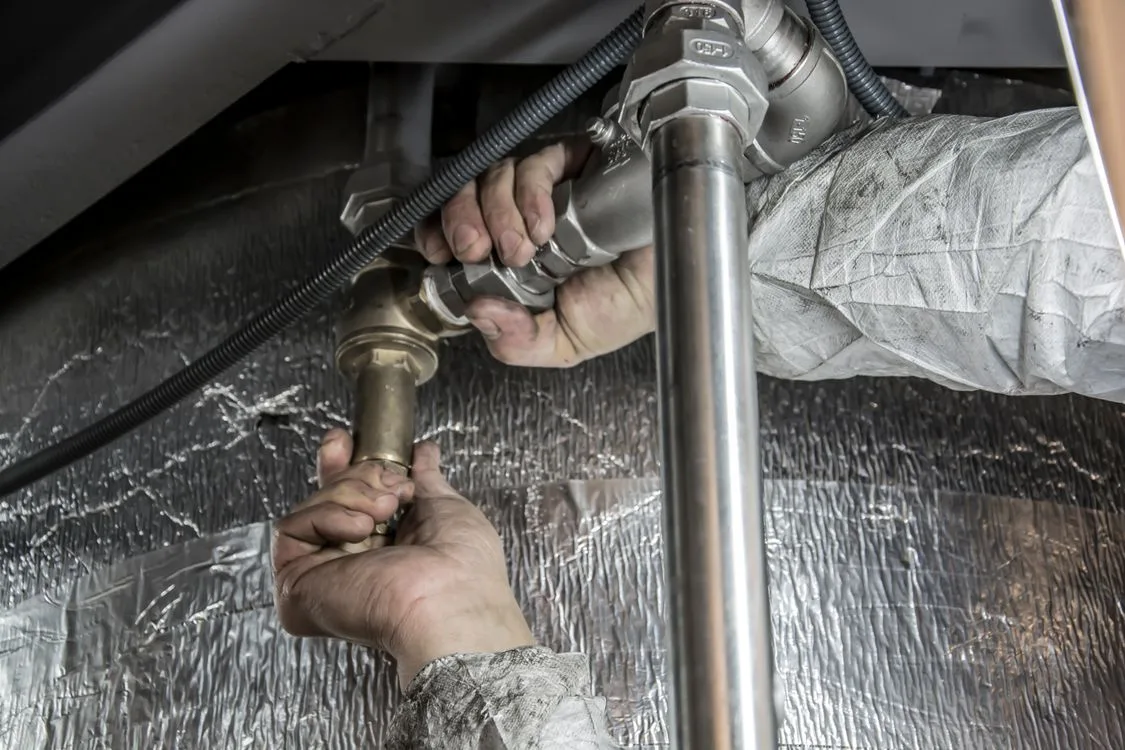
Place a bucket directly under the trap to catch standing water. Loosen the slip nuts at each end of the trap by hand, or with pliers if they are snug, and lower the trap into the bucket. Empty it, clear out the buildup, and rinse it with warm water and a brush. While it is off, look into the short pipe that leads into the wall. If that opening is blocked with visible debris close to the surface, remove what you can reach. Do not reach deep into the wall pipe with a tool you cannot control.
Check the washers inside the slip nuts before reassembling. If a washer is cracked, flattened, or missing, replace it, because a worn washer is a common cause of a slow drip after the job. Refit the trap, tighten the nuts snugly by hand, then add a little more with pliers if needed. Do not over-tighten plastic fittings, which can crack under too much force. Run water for a minute and watch every joint for leaks. A small drip now is far easier to fix than a soaked cabinet discovered days later.
If the trap is glued rather than held by slip nuts, or if you cannot see how it comes apart, stop. Cutting into a glued trap is a job for a qualified plumber, not a first attempt with a household saw.
Shower And Tub Drains Need A Different First Move
Showers and tubs clog differently from sinks, because hair is usually the main culprit, tangled with soap residue. That tangle often sits just below the drain cover, which is why a hair-removal tool or careful manual cleaning clears many shower clogs before plunging is even needed.
If manual cleaning does not work, plunge the shower or tub drain with a cup plunger, blocking the overflow opening on the tub wall first. A shower base without an overflow still needs enough standing water to cover the plunger cup. If the clog persists, a hand snake can reach further down, but feed it gently. Shower and tub pipes have bends that a snake must follow, and patience here prevents scratches and stuck cables.
Standing water in a shower deserves attention beyond the drain itself. Repeated overflow can soak grout, seep under flooring, and leave a room damp long after the clog is gone. Dry the floor thoroughly once the drain clears, check the edges around the tub or shower base for soft or discoloured areas, and keep the room ventilated until everything is dry. If a bathroom refresh is on your mind while you are down there, Archly Home’s guide to bathroom flooring ideas is a useful place to compare surfaces that cope well with daily splashes.
Kitchen Sink Drains And Grease: What Actually Helps
Kitchen clogs usually build slowly. Cooking grease cools and coats the inside of the pipe, food particles stick to that coating, and the passage narrows a little at a time until the sink starts draining slowly. Hot tap water with a small amount of dish soap can help a slow kitchen drain by loosening surface grease, but it will not dissolve a thick, established coating on its own.
Plunge a kitchen sink the same way as a bathroom sink, remembering to block the second basin in a double sink. If that fails, clean the trap, because grease and food collect there too. A hand snake can then reach further into the branch pipe. What helps most over time is prevention at the sink itself: wipe greasy pans with a paper towel before washing them, scrape plates into the bin rather than rinsing food down the drain, and use a strainer in the sink to catch what scraping misses.
If your kitchen sink has a garbage disposal, switch it off at the wall before putting any tool near the drain, and never put a hand into the disposal opening. A disposal that hums without turning, or a sink that backs up when the dishwasher runs, suggests a problem in the shared drain line rather than the disposal itself, and that is a good point to seek professional advice.
What Not To Do With Chemical Drain Cleaners
Chemical drain cleaners look like the easy answer, and that is exactly why they cause so much trouble. The products sold for this purpose are strongly caustic or acidic, and they generate heat as they react. That heat and chemical action can damage older pipes, weaken joints, and leave standing water in the sink that is hazardous to handle. A cleaner that fails to clear the clog does not simply disappear. It sits in the pipe, and anyone who then plunges, snakes, or opens the trap has to deal with it.
Two rules here are absolute. Never mix chemical drain cleaners together, and never mix any drain cleaner or household cleaner with bleach. Mixing cleaners can produce harmful gases, and the result can be dangerous in a small, poorly ventilated bathroom or kitchen. Ventilate the room, wear gloves and eye protection if you have already used a product and need to work on the drain, and tell a plumber honestly if a chemical product is sitting in the line. That information changes how they approach the job and keeps them safe.
Baking soda and vinegar are often suggested online as a gentler alternative. The fizzing mixture can freshen a drain and loosen light surface residue, but it is not a reliable way to clear a packed clog of hair or grease. If a slow drain improves slightly after this treatment, treat that as maintenance, not as proof the blockage is gone. If the drain is fully blocked, skip home mixtures and use a mechanical method or call a professional instead.
When To Stop And Call A Qualified Plumber
Knowing when to stop is part of doing the job well. A plumber is not a sign of failure. It is the right call when the problem is beyond a single fixture, when sewage is involved, or when repeated attempts have not worked. Call a qualified plumber promptly if you notice any of these:
- More than one drain backs up or runs slowly at the same time
- Water rises in a tub, shower, or floor drain when another fixture is used
- You smell sewage, or you see sewage or dark, foul water coming up through a drain
- The same drain clogs again soon after you have cleared it
- A drain snake meets solid, unyielding resistance, or a pipe feels fragile
- You cannot identify the pipe material, the trap is glued, or you find a leak you cannot stop
- The home has old or unknown plumbing and the clog does not respond to gentle methods
If sewage is backing up into the home, stop using water throughout the house, keep children and pets away from the affected area, and do not pour more products down the drain. Every additional flush or load of laundry adds water to a line that already cannot carry it away. A professional can inspect the line, often with a camera, and find whether the blockage is in a branch line, a main line, or further out, which is information no amount of plunging can provide.
How To Keep The Same Drain From Clogging Again
Once a drain runs freely, a few small habits make a repeat clog much less likely. They are not dramatic, but they address the materials that cause most blockages in the first place.
Use strainers in sinks, showers, and tubs, and empty them often rather than letting debris build up until water slows. In the bathroom, brush hair out over a bin where possible, and clean the pop-up stopper regularly instead of waiting for the drain to slow. In the kitchen, keep grease out of the sink as a rule, not an exception, and run hot tap water briefly after washing greasy items so residue does not settle in the trap.
Run water through rarely used drains now and then. A guest bathroom sink or a basement floor drain that sits unused can dry out, which lets odours through and allows residue to harden. A short run of water keeps the trap filled and the passage flushed. Finally, pay attention to early warnings. A drain that gurgles, drains a little slower than usual, or needs plunging more than once in a short period is telling you something before it becomes a full blockage. Acting on that early signal is far easier than clearing a drain that has stopped completely.
Frequently Asked Questions
Can Baking Soda And Vinegar Clear A Serious Clog?
Not reliably. The mixture can freshen a drain and loosen light residue on a slow drain, but it does not have the force to break apart a packed tangle of hair or a thick layer of grease. For a serious clog, use a plunger, a hand snake, or a trap cleaning, and call a professional if those do not work.
Is It Safe To Use A Regular Drain Snake In A Toilet?
No. A regular hand snake can scratch the porcelain and does not follow the curves inside a toilet well. Use a flange plunger first, then a closet auger, which is designed for toilets and has a protective sleeve over the cable.
Why Does My Drain Keep Clogging In The Same Place?
A repeat clog in one fixture usually means the underlying cause has not been removed. Hair may still be caught below the drain cover, grease may still coat the pipe beyond the trap, or an object may be lodged where a plunger cannot reach it. If the same drain clogs again soon after clearing, a professional inspection is worth it, because the blockage may sit deeper than household tools can safely reach.