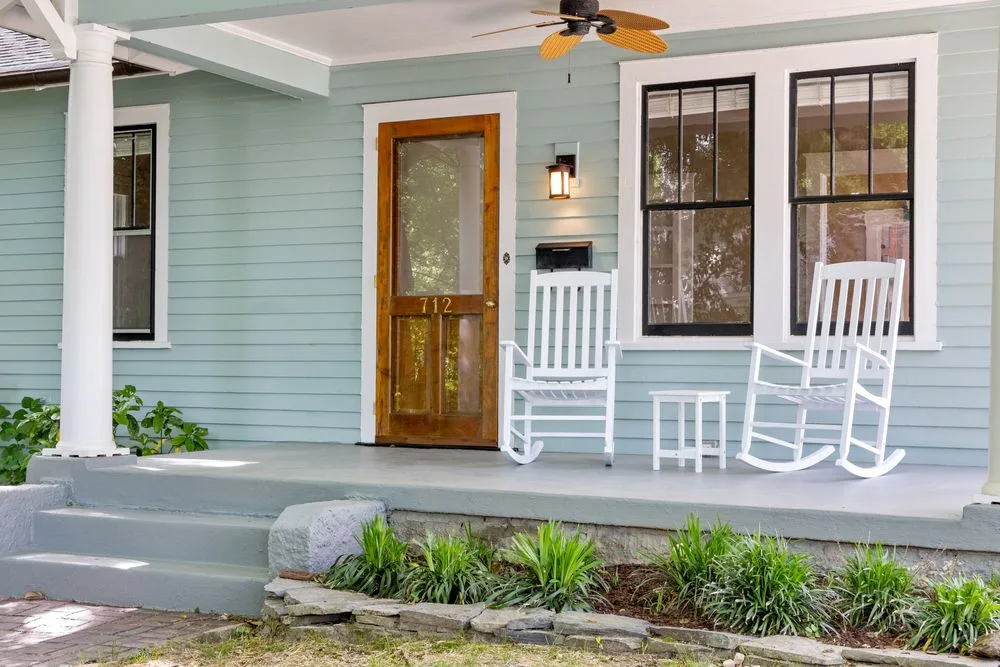

A pool deck is where the pool actually gets used. The water gets the photos, but the deck is where the towels land, where the kids run barefoot, where dinner happens after the swim, and where everyone ends up sitting when the sun drops. A bare slab of hot concrete makes a good pool feel half-finished. A deck with the right surface, a patch of shade, and somewhere comfortable to sit makes a modest pool feel like a resort.
These 15 ideas cover the whole job in the order you should decide it: the surface first, then the shade, then the zones for sitting, cooking, and evening light — with small-yard and budget answers at the end, so a tight space or a tight budget still gets a deck worth using. The ideas work for inground pools and above-ground pools, and the differences between the two are named wherever they matter.
Three Decisions To Make Before You Pick A Material
Most pool decks go wrong before a single paver is ordered. Three decisions come first, and they cost nothing to make.
Inground or above-ground — because the deck does a different job. Around an inground pool, the deck sits flush with the coping, so the surface you pick is also your main walking surface, and drainage has to slope away from the pool. Around an above-ground pool, the deck has to hide the pool wall and give you safe steps up to the rim — a platform on one or two sides, skirted with lattice or planting, does more than a thin ring all the way round. Decide which job yours is before you shop for materials.
Pick one material lane and let it carry the big surfaces. Travertine, porcelain, stamped concrete, wood, brick — each one sets the tone for the whole yard. The deck reads as planned when one material does most of the work and a second one appears only in borders, steps, or a small accent platform. Three or four competing surfaces in one yard usually read as a sample board, not a design. Our guide to backyard ideas shows the same rule at the whole-yard scale: one strong idea, repeated, beats five half-finished ones.
Decide how much deck you actually need, not how much you can pave. A deck that runs all the way round a pool looks complete in a photo, but the side nobody sits on is money you walk past. As a planning guide, allow at least 4 feet of deck on each side of the pool, and 8 feet or more on the main gathering side where the loungers and the table go. A main walkway needs about 36 inches clear, and you want room for a lounger plus someone walking behind it. Measure the furniture first, then the deck — not the other way round.
And one safety check that comes before all of it: every pool deck needs a slip-resistant surface, a fence with a self-latching gate where local rules require one, and drainage that slopes away from the pool and the house. A common rule of thumb for that slope is roughly 1/8 to 1/4 inch per foot, but your builder and local code decide the exact number. Structural work, electrical runs, and gas lines are permitting jobs for a qualified professional — never a DIY guess.
Pool Deck Materials Compared At A Glance
| Material | Look | Heat Underfoot | Slip Resistance | Upkeep | Best For |
|---|---|---|---|---|---|
| Broom-finish concrete | Simple, clean | Warm | Good | Low | Most climates, tight budgets |
| Stamped concrete | Mimics stone or brick | Warm to hot | Fair — add a non-slip sealer | Reseal periodically | Mild climates, stone look for less |
| Cool-deck coating | Smooth, colorful | Cool | Good | Recoat every several years | Hot climates, resurfacing old concrete |
| Concrete pavers | Modular, many patterns | Moderate | Very good | Low to moderate | Most climates, including freeze-thaw |
| Travertine | High-end, natural | Cool | Very good | Seal every 2 to 3 years | Hot or mild climates, caution with salt water |
| Porcelain pavers | Modern, clean | Moderate — dark runs hot | Very good when textured | Very low | Contemporary homes, low maintenance |
| Brick pavers | Classic, warm | Moderate | Very good | Low | Traditional homes, easy repairs |
| Wood or composite | Warm, raised | Moderate | Good | Low for composite, high for real wood | Above-ground pools, warmth against stone |
1. Travertine Pavers That Stay Cool Underfoot
Start with the surface your bare feet will judge first. Travertine is the classic pool deck stone for one plain reason: it stays noticeably cooler than concrete in direct sun. On a hot afternoon, that is the difference between a deck people walk on happily and a deck people cross on tiptoe. The stone’s warm ivory and beige tones sit beautifully against blue water, and its naturally pitted texture gives wet feet grip without feeling rough.
Choose the pattern, not just the stone. A French pattern — mixed sizes laid together — reads relaxed and Mediterranean. A diagonal grid, rotated 45 degrees to the pool, makes a plain rectangular pool feel longer. A two-tone border that frames the water gives a simple layout a finished edge without adding a second material. Tumbled or honed finishes are the ones to ask for around a pool; polished travertine looks elegant indoors and turns slick outdoors.
Know the upkeep before you commit. Travertine needs sealing every couple of years, and it needs care if you run a salt-water pool — salt splash can damage unsealed limestone products over time if they are not sealed and rinsed. It is not a deal-breaker, just a maintenance reality. In freeze-thaw regions, only filled and sealed travertine rated for exterior use belongs around a pool.
Tip: Keep the color light. Pale travertine reflects heat; the darker the stone, the hotter the deck — and that rule holds for every material on this list.

2. Large-Format Porcelain Pavers For A Clean Modern Look
Porcelain is the low-maintenance answer to a modern pool. Big, thin, clean-edged slabs — often 24 by 48 inches or larger — give the deck an almost indoor look, in stone, concrete, or wood-look finishes. The surface is dense and stain-resistant, and unlike natural stone it does not ask for regular sealing. For a contemporary house with straight lines and a rectangular pool, nothing else matches quite so cleanly.
The catch is the base, not the tile. Large slabs show every mistake in the ground underneath them, so the base has to be flat and properly built. That is a job for an installer who has laid large-format pavers before — ask to see a finished job, not just a brochure. Dark colors can run hot in full sun, so in a hot climate, pick a pale stone-look or concrete-look finish and keep the dark slabs for a border or an accent band.
Use the size to calm the yard down. Fewer, bigger pieces mean fewer joints, and fewer joints mean the eye rests instead of jumping around. That is why porcelain suits small pools so well: one quiet surface makes a compact yard feel larger, where a busy pattern would chop it up. A single contrasting border — a darker slab as a soldier course around the water — is usually all the pattern a porcelain deck needs.
Tip: Choose a textured finish, not a polished one. Textured porcelain gives very good grip when wet; polished porcelain belongs indoors.

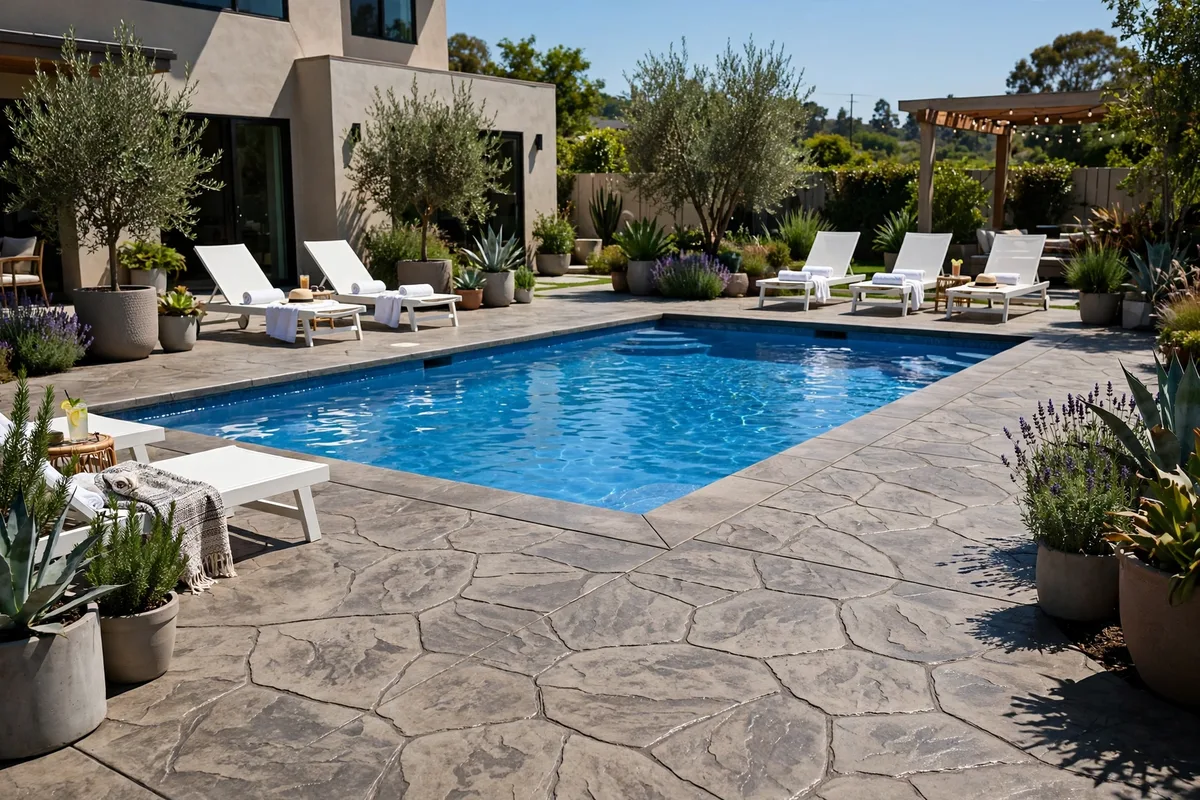
3. Stamped Concrete That Mimics Stone
Stamped concrete is the budget way to get a stone look. While the concrete is still wet, a contractor presses patterns into it — cobblestone, slate, flagstone, even wood planks — and adds color so the finished deck reads as natural stone at a fraction of the price. For a large deck, that saving is real money, and the pattern hides the hairline cracking that plain concrete shows.
Treat slip resistance as part of the design, not an afterthought. Stamped concrete can be slick when wet, which is the one honest drawback of the material. Ask for a non-slip additive in the sealer, and pick a texture with some tooth — a slate or cobblestone pattern grips better than a smooth one. Reseal every few years to hold the color and keep the surface sealed against pool chemicals.
Keep the pattern honest. The best stamped decks pick one stone and commit to it. A deck that tries to be flagstone, brick, and wood all at once fools nobody. Pick the pattern that suits the house — slate for a modern home, cobblestone for a traditional one — and let the color stay close to the real stone it imitates. Saw-cut borders or a contrasting stain band can frame the pool the way a paver border does, for far less money.
Tip: In a freeze-thaw climate, stamped concrete can crack and heave. Pavers tolerate ground movement better because individual pieces flex and can be replaced one at a time.
4. Warm Wood And Composite Decking
Wood is the warmest surface you can put beside a pool. A raised platform in cedar, ipe, or teak turns an above-ground pool from a metal wall in the lawn into a place that looks built in — and it removes the need for a ladder. Around an inground pool, a wood-look accent platform set away from the water’s edge adds warmth against stone and concrete, and makes a natural home for loungers or a daybed.
Composite is the practical choice for most families. It gives you the look of wood without the annual sealing, the splinters, or the warping that comes with constant water exposure. Capped composite with UV inhibitors holds its color, and many brands now make slip-resistant finishes specifically for pool environments. Run the boards parallel to the pool edge and the eye travels outward, which makes the space feel longer and more open.
Real wood asks for real upkeep. Tropical hardwoods like ipe and teak are naturally resistant to moisture and insects, and they age into a silver-grey patina if left unsealed — a look many people love. But they need oiling or sealing on a schedule, and they need drainage gaps between the boards so water does not sit underneath. Trapped moisture shortens the life of the deck and creates a slipping hazard. If the deck is high or tied to the house, have a licensed contractor check the attachment and the railing — it is a safety structure, not a weekend platform.
Tip: Keep wood away from the splash zone if you can. A wood platform a few steps back from the water stays drier, lasts longer, and still gives you the warmth where you sit.

5. Brick And Paver Patterns With A Contrasting Border
A pattern is the cheapest way to make a plain deck look designed. Concrete pavers, brick, or porcelain tiles laid in herringbone, basket weave, or a running bond give a pool surround a rhythm that a plain slab never has. Herringbone is also one of the strongest patterns for load-bearing — the alternating angles resist shifting better than a running bond over time — which is why it survives freeze-thaw seasons well.
The border does the heavy lifting. A contrasting double sailor course — two rows of pavers laid end to end around the edge — frames the water and ties the whole deck together. A darker accent band can define the pool’s edge for safety as well as style. Keep the field quiet and let the border carry the pattern; a busy field plus a busy border fights with the water instead of framing it.
Repairs are the quiet advantage of pavers. If a section settles or a utility line needs access, you lift and replace individual pavers instead of demolishing a slab. That matters most on clay soil that shifts seasonally, or anywhere mature tree roots run near the pool. Use paver bricks, not wall bricks, around a pool — only paver bricks withstand the freeze-thaw cycle and foot traffic.
Tip: Pick one paver family and stay in it. Coping, border, and field in coordinating colors from the same range look intentional; three unrelated paver colors look like leftovers.

6. A Pergola Lounge Zone For Midday Shade
Shade is the single most underrated pool upgrade. A beautiful deck with no shade is a deck nobody uses at noon — and noon is when the pool is at its best. A wood or aluminum pergola over the lounge zone creates a defined outdoor room with soft, dappled light, and it turns the deck from a sunbathing strip into a place people actually linger. Draped outdoor curtains or climbing vines soften the structure further and give you privacy without a wall.
Place the shade where people sit, not over the water. The loungers, the sectional, and the dining table are what need cover. Shade over the pool itself cools the water and blocks the sunbathers, so keep the pergola on the dry side of the deck. A freestanding pergola works for a lounge zone set back from the pool; a wall-mounted one suits a smaller deck where the house wall can carry one side. For a full guide to materials and styles, This Old House’s pergola ideas cover cedar, metal, vinyl, and fiberglass options, including a section on poolside pergolas — see their pergola ideas before you choose a material.
If a pergola is too much right now, start smaller. A large cantilever umbrella in a muted, earthy tone shades two loungers and a side table. Two or three sail shades layered at different angles give a modern, architectural look for less money than a built structure. Retractable shade cloth across the top beams lets you open the roof on a mild evening and close it at midday.
Tip: Add a ceiling fan or a mister to a poolside pergola if your summers run hot. Moving air makes shade feel noticeably cooler, and it costs far less than a bigger structure.

7. A Tanning Ledge And Sun Deck Combo
A tanning ledge blurs the line between in the pool and beside it. It is a shallow shelf built inside the pool — usually 6 to 12 inches deep — where you can set lounge chairs in a few inches of water, or where toddlers can splash safely while you sit nearby. When the deck flows straight into the ledge at the same visual level, the pool and the deck read as one space instead of two.
It adds usable square footage without enlarging the deck. That matters on a small lot, where every foot of paving competes with planting and lawn. The ledge becomes the sunbathing spot, which frees the deck for walking, dining, and shade. A pair of ledge loungers and a small side table for drinks is often all the furniture a ledge needs.
Plan for heat and shade together. Shallow water warms up fast, so a ledge in full afternoon sun can get uncomfortably warm by late day. A cantilever umbrella or a sail shade positioned over part of the ledge gives you sun and shade in the same spot, and it keeps the water cooler. If you are building a new pool, design the ledge, the coping, the steps, and the deck height together — changing one later usually means tearing up another.
Tip: Keep the ledge surface textured. Smooth ledges get slippery fast, and a ledge is exactly where wet feet step in and out of the water.

8. Multi-Level Decks That Zone The Yard
Levels are the simplest way to give a flat yard structure. A raised terrace for the dining table, a mid-level lounge, and the pool deck itself — each level gets its own job, and the steps between them double as casual seating during a party. On a sloped lot, terracing turns a problem into the design: the slope becomes stepped seating, a retaining wall becomes a bench, and the pool sits in the lowest level where the water belongs.
Vary the material between levels, not within them. Wood on the upper lounge level, stone on the pool deck, composite on the steps — each level reads as its own room, and the change in material marks the change in use. Keep the palette to two or three materials total so the yard still feels like one place. Built-in planters at the level changes soften the hard edges and stop the steps from reading as a staircase.
Safety comes with the steps. Every level change needs a clear edge, a handrail where the drop is real, and lighting on the risers for evening use. Wide, shallow steps — deep enough for a foot and a drink — feel generous and are safer than narrow, steep ones. Never let a level change hide in the dark: a step you cannot see is a step someone falls on.
Tip: On a small yard, two levels are enough. One step up to a lounge terrace gives you the zoning without eating the space a full staircase would.

9. Built-In Bench Seating Along The Edge
A built-in bench is the hardest-working seat on a pool deck. A low wall along the edge of the deck — about 18 inches high — seats more people than the same space in individual chairs, never blows away in the wind, never needs storing for winter, and looks custom even when it is not. Build it in the same stone or paver as the deck and it reads as part of the architecture, not an afterthought.
Give the bench a second job. A bench that doubles as a retaining wall, a planter edge, or a low wall hiding pool equipment earns its footprint twice over. Add outdoor cushions in a washable performance fabric and it becomes a long, low daybed. Build a storage compartment underneath and the towels, goggles, and pool toys have a home that is not the deck floor.
Place it where people already gather. Along the sunny side of the pool, facing the water, is the natural spot — close enough to talk to swimmers, far enough to stay dry. A bench that wraps around a fire feature creates a conversation circle that scattered chairs never manage. Keep the walkway in front of it clear: about 36 inches of clear passage behind a seated person is what keeps the deck from feeling crowded.
Tip: Round the top edge of the bench slightly, or cap it with a smooth coping stone. A sharp edge is uncomfortable to sit on and chips easily when wet feet and pool toys hit it.

10. An Outdoor Kitchen And Bar Zone
Move the cooking to the pool and the party stays in one place. A built-in grill, a counter, and a small bar island on the dry side of the deck mean nobody carries plates through the house while dripping wet. The kitchen zone works best on the side of the pool closest to the house, so the gas, water, and power runs are short — and so restocking the fridge is a short walk, not a project.
Keep the wet zone and the cooking zone apart. The pool edge is for swimmers and loungers. The grill, the counter, and the bar belong a few steps back, under the pergola or the shade sail, on a surface that can take spills. A bar-height counter with stools on the pool side lets people sit with a drink and watch the water without bringing glasses to the edge.
Plan the utilities before the paving. Gas, water, and power all need to run before the deck is poured or paved — adding them afterwards means cutting finished surfaces. A small sink and a compact fridge in the bar tie into the same lines that serve the pool equipment. If you are working with an existing deck, a freestanding grill station and a bar cart give you most of the function without any utility work at all.
Tip: Choose a countertop that shrugs off chlorine and sunscreen. Sealed stone, porcelain, or stainless steel clean up with a hose; unsealed wood and porous tile stain fast beside a pool.

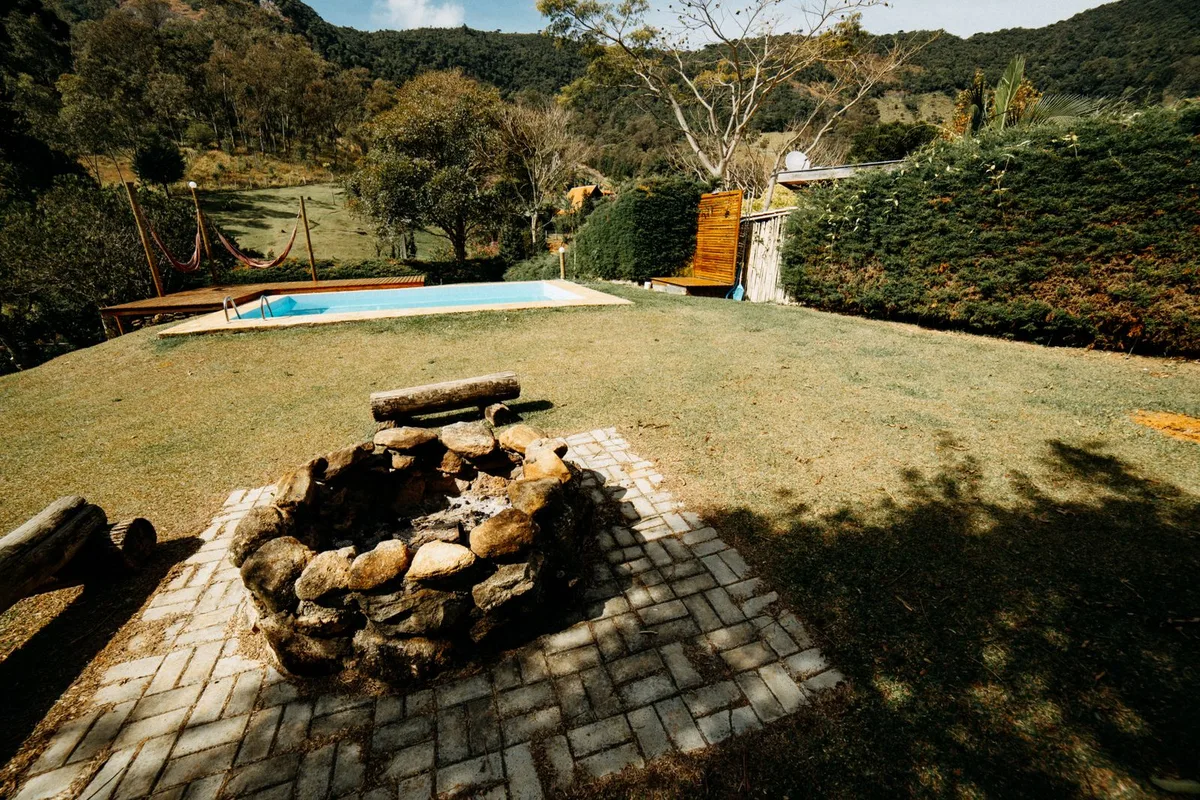
11. A Fire Pit Lounge Away From The Splash Zone
Fire and water belong in the same yard — just not in the same spot. A fire pit or a pair of fire bowls set back from the pool extends the deck’s season into cool evenings and gives the yard a second focal point after dark. The contrast is the whole point: cool blue water on one side, warm firelight on the other, and the deck between them.
Distance is the design decision. A fire feature set 10 to 15 feet from the pool edge is far enough to keep smoke off swimmers and sparks off the water, and close enough that one conversation covers both spots. A sunken lounge — dropped 12 to 18 inches below the main deck — makes the fire zone feel like a room of its own, but it needs a drain designed in from day one, or it becomes a puddle after the first rain.
Gas beats wood beside a pool. A gas fire feature is cleaner, safer near water, and easier to permit in many areas. Wood fires throw sparks and smoke toward the pool, and they need clearing rules that vary by area — check local fire regulations before you build anything. Keep the fire feature clear of the pergola roof, furniture, and planting, and follow the manufacturer’s clearance instructions above all else.
Tip: A fire table in the middle of the lounge seating works better than a fire pit at the edge. People gather around a table; they stand beside a pit.
12. Layered Lighting For Evenings By The Pool
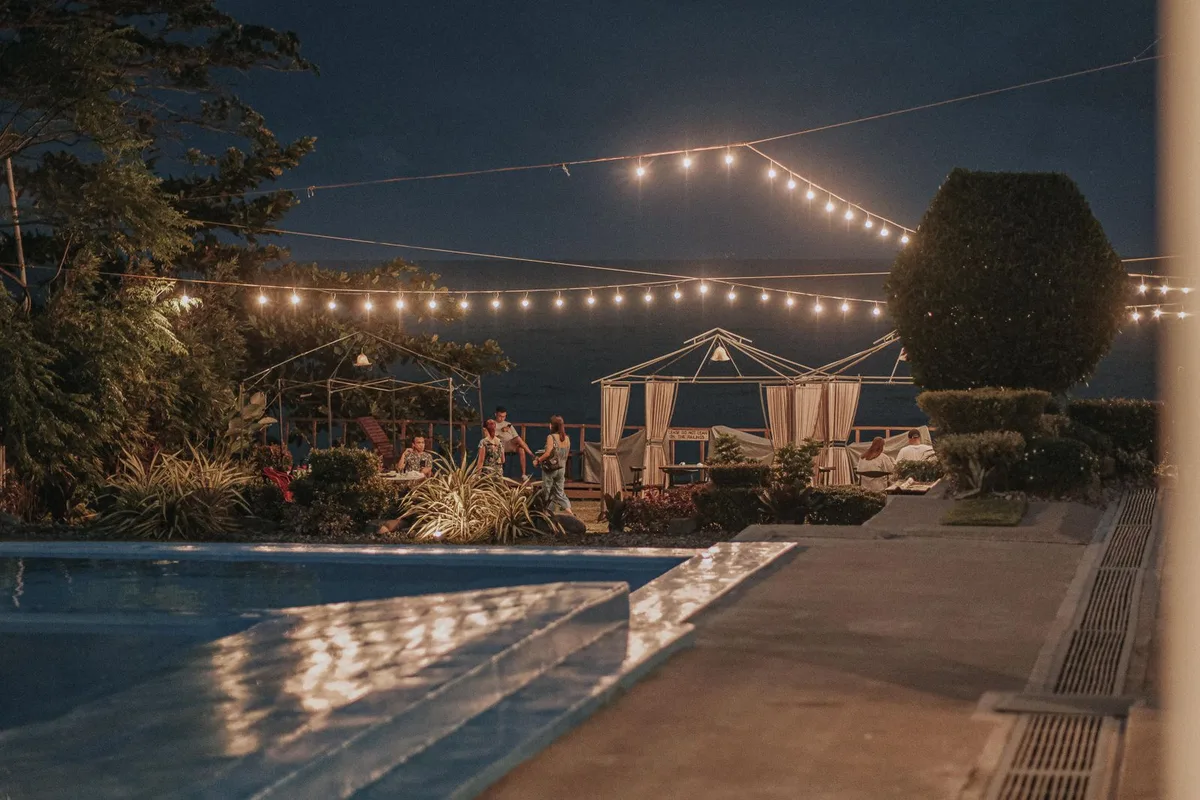
Lighting is what turns a pool deck from a daytime space into an evening one. The pool light alone is not enough — it lights the water and leaves the deck dark, which is exactly where people trip. The goal is layers: overhead light, low light, and something in between, so the deck glows instead of glaring.
Start with the safety layer. Low-voltage path lights along the deck edge, step lights on every riser, and a light over the pool steps make the deck safe to walk after dark. Solar stake lights work well if you do not want to run wiring, and they cost little. Underwater LED pool lights in a soft warm white are the most timeless choice — color-changing options are fun for parties, but warm white is what looks good every night.
Add the atmosphere layer second. String lights across a pergola are the single most effective evening upgrade on a pool deck: inexpensive, easy to install, and they throw a warm glow across the water that no fixture can match. Sconces on a fence or a garden wall add warmth and make the yard feel finished. Lanterns on the dining table and a few rechargeable outdoor lamps on side tables fill in the middle layer without any wiring at all.
Tip: Run conduit for lighting before the deck is poured or paved. Adding electrical after the fact means cutting finished surfaces — and any electrical work near a pool needs a qualified electrician and the right bonding and safety rules for your area. Our guide to deck decorating ideas has more on styling outdoor spaces after dark.
13. Planters, Privacy Screens And Soft Edges
Plants are what stop a pool deck from looking like a parking lot. Two large terracotta pots of ornamental grass flanking the steps, a row of lavender along a wall, a pair of palms in the corners — a little greenery softens every hard surface on the deck and makes the space feel lived in. Plant in groups of one species rather than one of everything; drifts of the same plant read as designed, while a collection of singles reads as a nursery sale.
Choose plants that stay out of the water. Anything that drops heavy flowers, petals, or leaves directly over the pool will spend your summer in the skimmer. Tropical plants like bird of paradise, agave, and elephant ears give a resort feel, but they shed — keep them a few feet back from the coping. Lavender, rosemary, and trailing lantana are fragrant, low-mess choices for the deck edge. Tall plants in the corners create enclosure without blocking airflow or views.
Privacy is a design move, not a fence problem. A slatted wood screen lets light and air through while blocking the neighbors’ view. A hedge wall of clipped boxwood or podocarpus does the same job in green. A pergola with outdoor curtains gives you privacy you can open and close. Whichever you pick, keep the screen on the side that faces the street or the neighbors — not on the side that faces your own house, or you will block your own view of the pool.
Tip: Pots are the flexible version of planting. Large containers on casters let you move shade and screening around the deck as the sun moves — and they come inside when the season ends.

14. A Partial Deck And Gravel Edge For Small Yards And Tight Budgets
You do not need to pave the whole perimeter. The cheapest pool decks that still look good use one hard material close to the water — pavers, poured concrete, or wood — and soften the edges with gravel, potted plants, and groundcover. A deck on the side where you sit, and planting everywhere else, is how most budget projects work, and it often looks better than a thin, cheap deck on all four sides.
Spend on the zone you will actually use. A small platform deck with a rail, a built-in bench, and a gate is far cheaper than a full wraparound, and it gives an above-ground pool a finished look. A concrete pad for the loungers and the table, with gravel or pavers for the rest, does the same job for an inground pool. Lay pavers in stages as money allows — one section at a time on a compacted base — and the deck grows without a loan.
Gravel needs edging and a fabric layer, or it migrates. Dig out 3 to 4 inches, lay landscaping fabric, put the gravel in, and border it with treated wood or metal edging. Keep gravel away from the skimmer so pebbles do not end up in the water. Light-colored gravel reads Mediterranean; darker stone suits a modern house. Interlocking deck tiles over a level, firm surface make a quick lounging area with no construction at all, and they come up again if you change your mind.
Tip: Light paving and long, straight lines make a small pool area feel larger. Run boards or pavers lengthwise to stretch the view, keep the furniture slim, and let vertical planting on a trellis do the work that a wide deck cannot.

15. Refresh The Deck You Already Have
Before you rebuild, try refreshing. A tired concrete deck can look completely different after a deep clean, crack repairs, and a new finish — and the whole job can cost a fraction of a replacement. Pressure-wash the surface, repair the visible cracks, and then decide whether the deck needs color, texture, or both.
Stain and cool-deck coatings are the two best refreshes. A concrete stain in a warm beige, soft grey, or sandstone introduces color without replacing the slab. A cool-deck coating — a spray or trowel-on surface that reflects heat — can be applied over sound existing concrete, and it comes in custom colors with saw-cut borders and inlaid patterns that echo the pool tile. Both need a sound slab underneath: neither one fixes a cracked or sinking base, so fix that first.
Add the cheap wins around the refresh. A weather-resistant outdoor rug under the seating area defines the room and adds color for the price of a cushion set. Solar pathway lights and a string light over the lounge zone change the evenings. Two lounge chairs, one large planter, and a towel station — a small cabinet or a set of hooks for towels and goggles — make the deck feel finished without any construction.
Tip: A refresh is also the moment to fix drainage. If water pools on the deck after rain, no finish will hold. A contractor can usually correct a slope problem while the surface is being refinished — ask before the coating goes on, not after.

What A Pool Deck Costs, Honestly?
The numbers online disagree wildly, so here is the believable middle, drawn from the sources in our research: basic broom-finish concrete runs roughly $8 to $14 per square foot installed; stamped concrete roughly $8 to $15; travertine roughly $13 to $30; composite decking roughly $25 to $40; large-format porcelain in the low $20s to mid $40s; and gravel or decomposed granite roughly $2 to $5. These are approximate ranges from US-market sources, and they move with your region, the size of the job, and the base work underneath — a 1,000 square foot deck usually prices cheaper per square foot than a 200 square foot one. Coping, drainage fixes, lighting, and extras sit on top of the surface price. The only number that matters for your yard is a written quote from a local contractor.
How To Choose Your Pool Deck In One Afternoon?
Walk the yard with a tape measure and answer the three decisions from the start of this article: inground or above-ground, one material lane, and how much deck you need. Then pick three ideas from the list — one surface, one shade idea, and one zone idea — and price those three before you look at anything else. A deck built around three good decisions always beats a deck built around fifteen half-finished ones. And if the budget is tight, start with idea 15: clean the deck, fix the drainage, add shade and a rug, and live with it for a season. The deck will tell you what it still needs.
Frequently Asked Questions
What Is The Best Material For A Pool Deck?
There is no single best material — it depends on your climate and your budget. Travertine stays coolest underfoot and suits hot climates. Porcelain pavers need the least maintenance and suit modern homes. Concrete pavers handle freeze-thaw best and are easy to repair one piece at a time. Broom-finish concrete is the cheapest solid surface. Pick the material that fits your climate first, then your style.
How Much Deck Space Do I Need Around A Pool?
As a planning guide, allow at least 4 feet of deck on each side of the pool, and 8 feet or more on the main gathering side where the loungers and the table go. A main walkway needs about 36 inches clear. If the yard is small, pave the side where you sit and use gravel or planting on the other sides instead of a thin deck all round.
What Is The Cheapest Way To Improve A Pool Deck?
Clean and stain the existing concrete, or apply a cool-deck coating over a sound slab. Then add the cheap wins: a weather-resistant outdoor rug, solar pathway lights, two lounge chairs, and a few large planters. Gravel with solid edging and concrete pavers laid in stages are the cheapest new surfaces, at roughly $2 to $5 per square foot for gravel.
Do I Need A Permit For A Pool Deck?
It depends on where you live and what you are building. A simple surface refresh usually needs none. A raised deck, a pergola, a gas fire feature, or any electrical work near the pool usually needs a permit and a qualified professional. Check with your local building department before you build — the rules vary by city and state.
How Do I Keep A Pool Deck From Getting Slippery?
Choose a textured finish from the start: brushed concrete, tumbled travertine, textured porcelain, or pavers with a slip-resistant texture. Stamped concrete needs a non-slip additive in the sealer. Keep the deck clean — algae and sunscreen residue make any surface slick — and make sure water drains away from the walking areas instead of pooling on them.