A new roof costs most American homeowners about $10,000 to $11,500 in 2026, according to the national cost guides that track this work every year. For a standard architectural asphalt shingle roof — the material on roughly four out of five U.S. homes — most homeowners pay $7,500 to $14,000, per Fixr’s 2026 data. Across all materials, from basic asphalt to slate, the full range runs about $5,800 to $28,000.
If you have seen a bigger number somewhere, you are not misreading it. HomeGuide’s typical range is $5,700 to $16,000 with an average near $10,800, while the Cost vs. Value Report prices one fixed, fully specified architectural shingle job at $31,871. Both figures are honest — they measure different scopes. One is an average of real jobs of all sizes; the other is a single premium-spec project priced the same way in every city. What your roof actually costs depends on three things: how many squares your roof is, which material you choose, and what the crew finds underneath the old shingles.
How Roofers Price A New Roof: Squares, Pitch And Waste?
Roofers do not price by your home’s floor size. They price by the roofing square — 100 square feet of actual roof surface. One square of architectural asphalt costs roughly $450 to $800 installed, so the square count is the number that turns a vague average into your price.
Your footprint is not your roof. A pitched roof is the slope over the plan area, so you multiply the footprint by a pitch factor: about 1.12 at a 6/12 pitch and about 1.41 at a steep 12/12 pitch. A 2,000 square foot footprint at a common 6/12 pitch becomes roughly 2,240 square feet of roof before overhangs, or about 22 to 24 squares once they are added. Add a waste allowance — about 10% on a plain gable roof, 15 to 18% on a hip roof with dormers, because every cut piece leaves an offcut — and the crew orders around 24 to 25 squares.
Worked example: take that 2,000 square foot home with a 6/12 pitch and architectural asphalt shingles. At $450 to $800 per square installed, the shingles, labor, tear-off and disposal land at roughly $10,000 to $18,000 — right inside the range HomeMatchup reports for that house size. Change the material to standing seam metal at $1,000 to $1,800 per square and the same roof runs about $28,000 to $45,000. The roof did not change. The material did.
Tip: when a quote arrives with no square count on it, you cannot check the price against anything. Ask for the square count before you compare bids — without it, you have no way to tell whether a price is fair.

New Roof Cost By Material
Material is the single biggest lever on price, and it also sets how long you live with the decision. The table below shows installed prices per square foot for a standard walkable pitch, a typical total for a 2,000 square foot roof, and how long each material usually lasts. The ranges come from the 2026 guides published by Fixr, HomeGuide, This Old House and HomeMatchup — where they disagree, the table shows the band, not a single number.
| Material | Installed Cost Per Sq Ft | Typical Total, 2,000 Sq Ft Roof | Lifespan |
|---|---|---|---|
| 3-Tab Asphalt Shingles | $3.50–$5.50 | $5,800–$11,000 | 15–20 Years |
| Architectural Asphalt Shingles | $4.50–$8.00 | $8,500–$16,500 | 25–30 Years |
| Exposed-Fastener Metal Panels | $6.00–$12.00 | $13,000–$24,000 | 40–60 Years |
| Standing Seam Metal | $10.00–$18.00 | $20,000–$40,000 | 50–70 Years |
| Wood Shake | $6.00–$13.00 | $15,000–$30,000 | 25–50 Years |
| Concrete Or Clay Tile | $10.00–$22.00 | $18,000–$45,000 | 50–100 Years |
| Natural Slate | $15.00–$30.00+ | $25,000–$60,000+ | 75–150 Years |
| Flat Roof, TPO Or EPDM | $5.50–$12.00 | $8,000–$20,000 | 20–30 Years |
| Synthetic Composite | $8.00–$15.00 | $14,000–$20,000 | 40–60 Years |
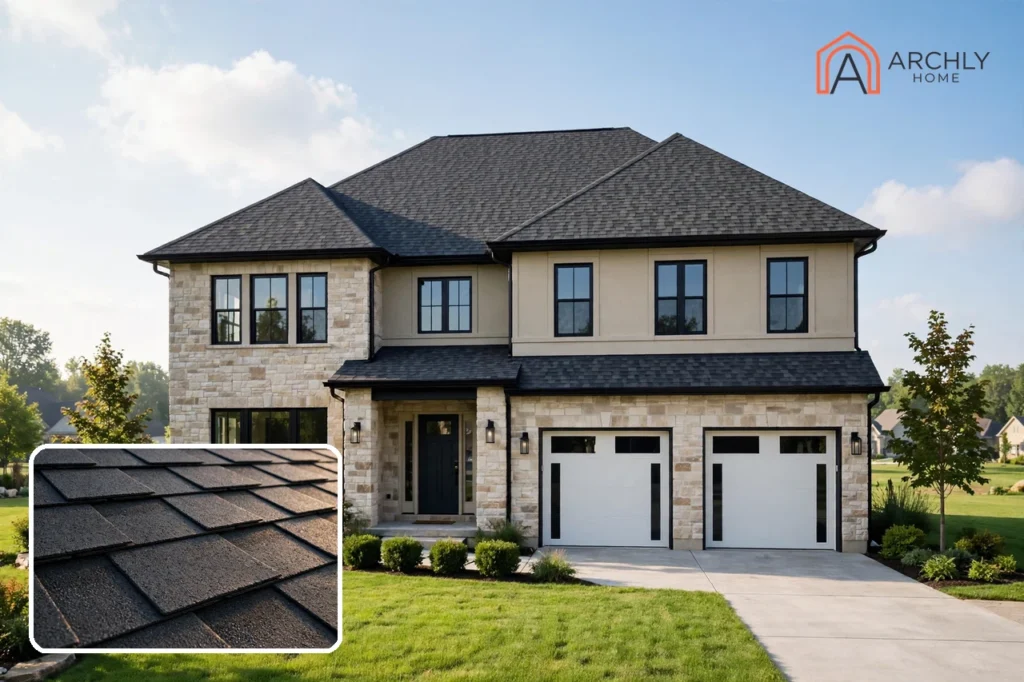
Asphalt shingles are the default for a reason. They are the cheapest mainstream material that still performs, and architectural shingles — the thicker, laminated kind — cost only a little more than flat 3-tab shingles while lasting five to ten years longer and resisting wind better. This Old House puts the average asphalt roof at $5.16 per square foot, or $10,319 for a 2,000 square foot roof, in its 2026 new roof cost guide. Three-tab shingles save roughly $50 to $70 a square — perhaps $1,500 on a whole roof — and give up about a third of the roof’s life for it. On anything but a rental you plan to sell, that is a poor trade.
Metal pays off only if you stay. A standing seam metal roof costs two to five times an asphalt roof up front, and it lasts 50 to 70 years — long enough that you may never replace it again. It also reflects summer heat, which can trim cooling bills. The catch is the crew: metal needs a specialist installer, and a bad metal job leaks worse than a bad shingle job. If you plan to move within ten years, the premium rarely comes back at sale.
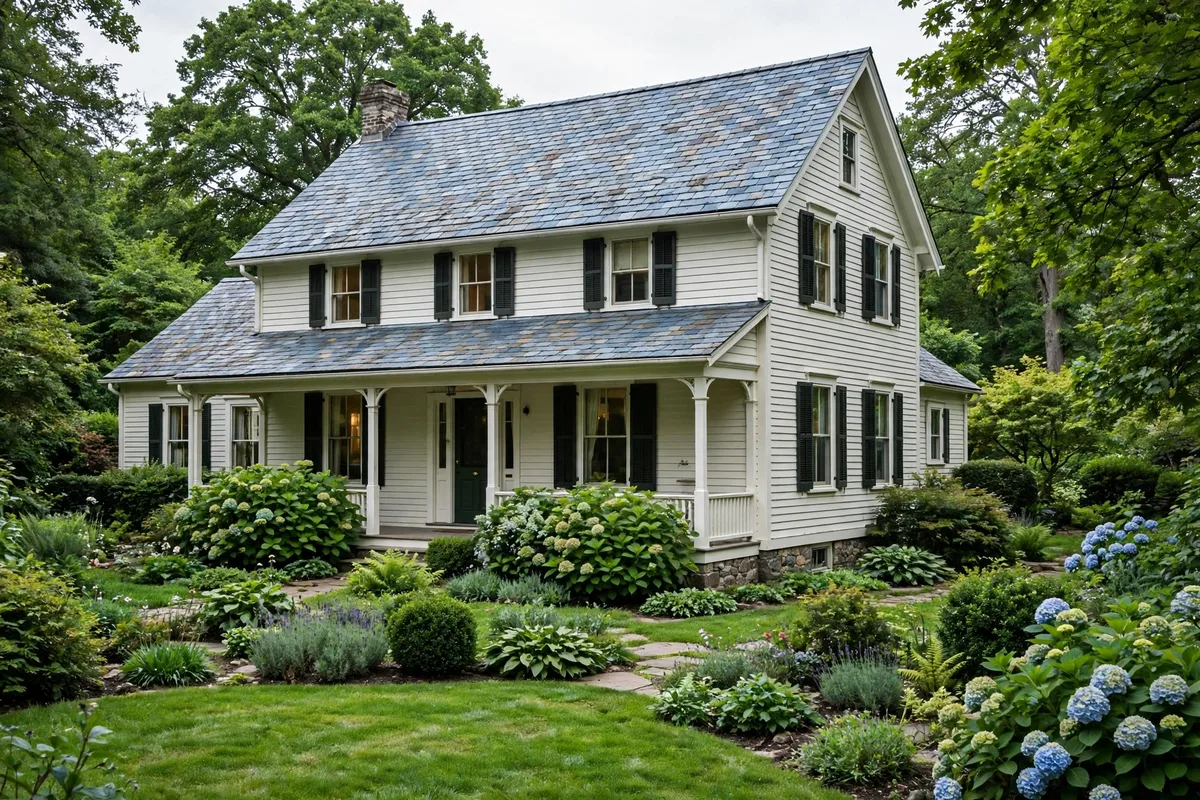
Tile and slate are structural decisions first. Concrete tile weighs three to four times what asphalt weighs, and clay tile and slate are heavier still. A frame built for shingles may need reinforcement before it can carry them, and that means an engineer’s letter and a permit, not a roofer’s judgment call. If you are switching from a lightweight roof to a heavy one, have a structural engineer confirm the house can carry the load before you sign anything.


New Roof Cost By Home Size
Bigger homes have more roof to cover, so the price climbs with square footage. The table below uses mid-grade architectural shingles and a moderate pitch. Remember that your roof is almost always larger than your floor plan, because pitch and overhangs add surface area — a 2,000 square foot home usually carries 2,200 to 2,800 square feet of roof.
| Home Floor Size | Approximate Roof Area | Architectural Shingle Cost |
|---|---|---|
| 1,000 Sq Ft | 1,100–1,300 Sq Ft | $5,800–$10,500 |
| 1,200 Sq Ft | 1,300–1,600 Sq Ft | $7,000–$12,500 |
| 1,500 Sq Ft | 1,650–2,000 Sq Ft | $8,500–$15,000 |
| 2,000 Sq Ft | 2,200–2,800 Sq Ft | $11,000–$19,500 |
| 2,500 Sq Ft | 2,750–3,400 Sq Ft | $13,500–$24,000 |
| 3,000 Sq Ft | 3,300–4,200 Sq Ft | $16,000–$29,000 |
Stories matter as much as size. A 2,000 square foot single-story ranch with a steep 8/12 pitch can have more roof than a 2,400 square foot two-story home with a shallow 4/12 pitch, because the single-story home spreads its whole footprint under one roof while the two-story home stacks it. Our single-floor house plans show how that footprint works — and why a roofer should measure your actual roof, from satellite imagery or in person, rather than quoting off your home’s listed square footage. A firm price quoted over the phone, without a measurement, is a red flag.
Tip: the U.S. Census Bureau puts the average American roof at about 1,700 square feet. At This Old House’s asphalt average, that roof costs about $8,772 — a useful anchor if your home is close to average size.
Where The Money Goes: A Typical $12,000 Roof, Line By Line
The shingles are the visible part, but they are not the biggest part. Here is roughly where the dollars land on a typical $12,000 architectural shingle replacement:
| Line Item | Share Of The Bill | Approximate Cost |
|---|---|---|
| Labor, Tear-Off And Install | 40–60% | $5,000–$7,000 |
| Shingles And Roofing Material | 25–35% | $3,000–$4,200 |
| Underlayment, Flashing, Vents, Fasteners | 8–12% | $1,000–$1,400 |
| Tear-Off Disposal And Dumpster | 5–10% | $700–$1,200 |
| Permits And Inspection | 1–4% | $150–$500 |
| Decking Repairs, If Needed | Varies | $0–$2,000+ |
Labor is the largest slice, and it is the one that varies most. This Old House’s 2026 survey of 1,000 homeowners put labor at 65% of total project costs, at about $75 an hour on average. That is why the cheapest quote is often the one cutting corners on the crew — day laborers, skipped safety gear, rushed work. Roofing is skilled, physical, dangerous work, and paying a fair labor rate buys a roof installed right the first time.
Tear-off is the line homeowners most often underestimate. Stripping the old roof runs about $100 to $175 per square per layer, and a second layer doubles it — Costimated adds $18 per square just for the extra scraping and heavier landfill fees. Going over the top saves that money and costs you three things: you never see the deck, the new shingles run hotter and age faster, and the finished roof telegraphs every imperfection underneath. Tear off on any house you plan to keep for more than five years.
The deck is the surprise line. Nobody knows what the plywood looks like until the old shingles come off. What you want in the contract is a per-sheet price for replacement sheathing — commonly $70 to $130 per 4-by-8 sheet installed — rather than a vague allowance. A few replaced sheets are routine on an older roof. If the crew finds widespread rot, stop and look at photographs of the deck before they proceed — that is a bigger job than a line item.
The small lines add up too. New flashing runs $10 to $25 per linear foot, and a chimney reflash commonly costs $400 to $1,000 on its own. Permits run $150 to $500 depending on your town. If solar panels have to come off for the re-roof, removal and reinstallation is quoted by the solar company, not the roofer, at roughly $500 to $4,000. Add 10 to 15% to any estimate as a contingency for surprises like these — This Old House suggests exactly that, and about 23% of homeowners who found hidden damage reported paying more than their original estimate.

Six Things That Move Your Price Up Or Down
Two homes on the same street can get quotes thousands of dollars apart. These are the factors that move a bid within — or beyond — the national range.
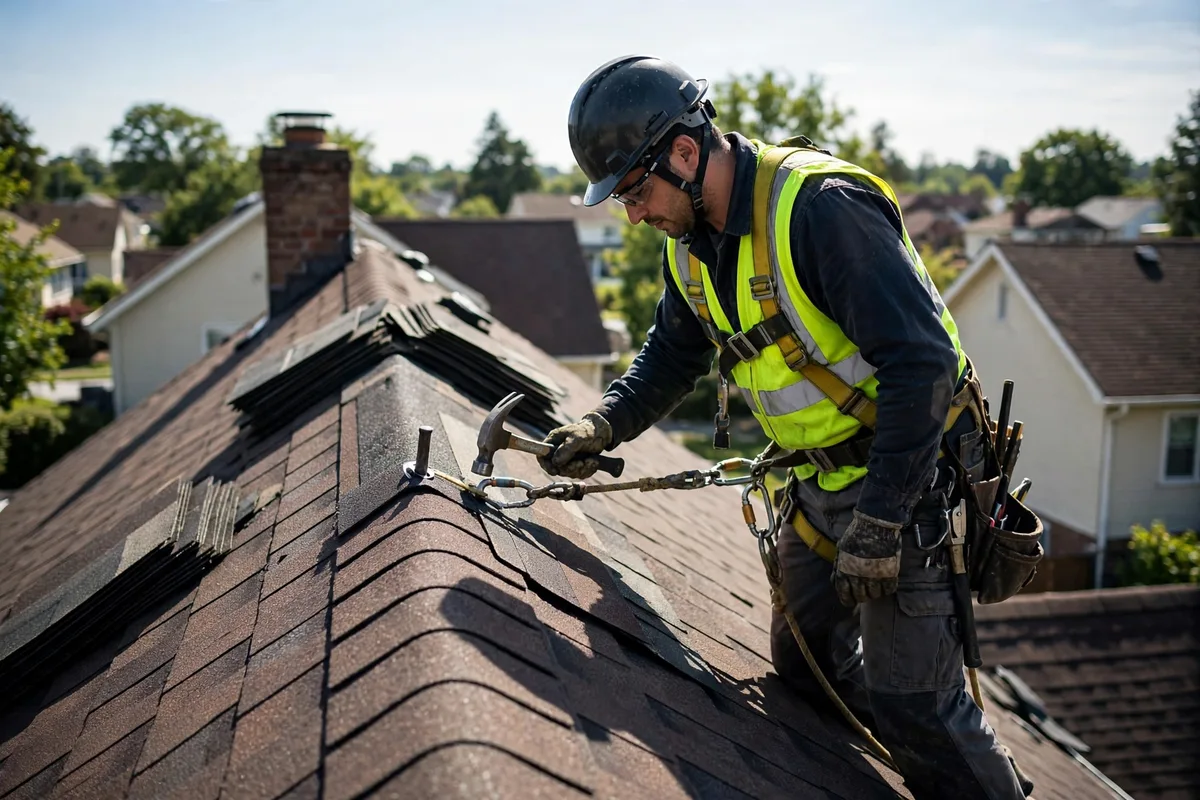
Pitch and height. Anything to about 6/12 is walkable and a crew moves fast. From 7/12 they slow down, from 9/12 they need roof jacks and staging, and past 12/12 you are paying for fall protection setup and a crew that lays half the squares a day. Expect roughly a 20% adder over 7/12 and 40 to 60% over 10/12. A second story adds staging and slower material handling; a third story adds real hours.
Roofline complexity. Every valley, hip, dormer, skylight and chimney is hand work — cutting, weaving, flashing — while the open field is production work. A simple gable might go down at three squares an hour; a valley takes as long per foot as several squares of field. An attached garage adds roof area of its own, plus another valley where it meets the house — our house plans with garage show how that junction works. Two roofs of the same square count can differ by 60% in price on complexity alone.
Number of existing layers. Most building codes allow two layers of asphalt shingles. Removing two layers costs roughly double the tear-off of one, and a roof that already carries two layers must be fully torn off regardless of how the surface looks.
Material grade. Luxury shingles or standing seam metal can double or triple an asphalt bid on the same roof. The grade matters more than the brand — compare the specific product, not the name on the truck.
Where you live. Labor, permits and disposal fees vary by region, and the gap is wide: Costimated’s state multipliers run from 0.91x in North Carolina to 1.18x in California, and SmartRenoCalc’s regional model puts Pacific ZIP codes about 35% above the national baseline and Upper Midwest ZIP codes about 12% below it. Storm-belt states like Texas, Florida and Colorado often run higher still, because demand for roofers spikes after every hail or wind event.
Hidden damage. Rotted decking, rusted flashing or failed vents add cost once exposed, and none of it is visible until tear-off. This is the most common source of a mid-project change order — and the reason a per-sheet deck price belongs in the contract before work starts.
Repair Or Replace? How To Decide?
Not every failing roof needs a full replacement. A repair costs a fraction of the price and can buy a sound roof several more good years — but patching a roof that needed to come off wastes the repair money and the time. Here is the simple decision framework the cost guides agree on:
| Roof Repair | Roof Replacement | |
|---|---|---|
| Typical 2026 Cost | $400–$2,500 | $5,800–$28,000 |
| Best When | Localized leak, a few missing shingles, roof still young | Old roof, widespread damage, repeated leaks |
| Buys You | A few more years | 25–70+ years |
| Risk | Patches can mask bigger problems | Higher up-front cost |
Replace if: your roof is past 80% of its rated lifespan, you are patching it every season, there is widespread granule loss or curling, or the decking is sagging. This Old House’s rule of thumb is the same: replace a roof that is more than 15 years old with widespread damage.
Repair if: the damage is localized, the roof is under 10 years old, and the rest of the surface is sound. The 30% rule helps on the fence: if a repair costs more than about 30% of a new roof and the roof is old, replace it.
When you are on the fence, get an honest inspection. Some problems — soft decking, failed flashing under a valley, daylight in the attic — are only visible up close, and a professional inspection is the reliable way to decide.
How To Get Accurate Quotes And Avoid Overpaying?
The homeowners who pay a fair price are not the ones who haggle hardest. They are the ones who compare a few honest quotes from pros they can trust. Here is how to do that.
Get three written, itemized quotes. Three honest bids on the same scope routinely vary by 20 to 30%. The variation itself is useful information — it tells you the market rate for your roof.
Insist on four numbers on every bid. Square count, number of layers being removed, the specific shingle product and color, and the per-sheet price for deck replacement. With those four, three bids become genuinely comparable. Without them, you are comparing three lump sums that describe different jobs.
Read the scope lines, not just the totals. Is the underlayment synthetic or 15-pound felt? Is there ice-and-water membrane at the eaves, and how far up — code in cold climates is typically to a point 24 inches inside the interior wall line. Is the flashing new, or reused and caulked? Is the ventilation being corrected, or just reinstalled as found? Are there starter strips at eaves and rakes? If one bid comes in a quarter below the rest, something is usually missing from its scope. Ask what it left out before assuming the roofer is simply cheaper.
Book in the off-season when you can. Late fall and winter are slow for roofers in most regions, and booking then can shave 5 to 15% off labor.
Watch the payment terms. A deposit of 10 to 30% for material is normal. A demand for half up front is not, and payment in full before the final inspection never is.
Verify license and insurance — always. A cheap, uninsured crew can cost you far more if someone is hurt on your property or the work fails. Ask for the certificate, and confirm it is current.

Does Insurance Pay For A New Roof?
Often yes — when the damage comes from a covered event like a storm, hail, or a fallen tree. What insurance will not pay for is a roof that simply wore out with age. That distinction decides most claims.
Check two things in your policy before a storm, not after. First, whether it pays replacement cost or actual cash value — actual cash value depreciates the payout by the roof’s age, and roof endorsements that depreciate payout by age have become common. Second, what your deductible is, because on an approved claim your out-of-pocket cost is typically the deductible rather than the full contract price.
If a storm hits, document everything. Photograph the damage from the ground and, if it is safe, the attic — water stains, daylight through the deck, missing shingles. File promptly, and get a local pro to document the damage and help you file. Do not sign anything with a contractor who knocks on your door the morning after a hailstorm.
Does A New Roof Pay Off At Resale?
Partly. The 2025 Cost vs. Value Report prices a full architectural shingle replacement at $31,871 and credits it with $21,501 in resale value — about 67.5% recouped. A metal roof costs $51,865 in the same report and adds $25,972, or 50.1%. Premium materials cost more than they return at sale.
The real return is quieter than the percentage. A roof is closer to expected-condition spending than reward spending. Buyers and inspectors treat an aging roof as a reason to renegotiate, so a new roof protects your sale price more than it raises it — and in This Old House’s 2026 survey, nearly 79% of homeowners said their final roof cost matched what they expected, and 73% said their contractor finished on time. A roof that is done, documented and under warranty makes for a smoother closing, and that is worth more than the appraisal line alone.
Frequently Asked Questions
How Much Does A New Roof Cost On A 2,000 Square Foot House?
Roughly $11,000 to $19,500 with mid-grade architectural shingles, depending on pitch, layers and location. Note that 2,000 square feet of floor usually means 2,200 to 2,800 square feet of roof once pitch and overhangs are counted, so always price by roof area, not house size. Standing seam metal on the same home runs about $28,000 to $45,000.
How Much Is A New Roof Per Square Foot?
Installed roof replacement runs about $3.75 to $11 per square foot for common materials, according to Fixr’s 2026 data. Architectural asphalt shingles sit at $4.50 to $8.00 per square foot installed; metal runs $8 to $14, tile $10 to $18, and slate $15 to $30 or more per square foot installed.
Why Are Roofing Quotes So Different From Each Other?
Usually because they describe different work: one includes tear-off and the other does not, one prices synthetic underlayment and new flashing where the other reuses old parts, or one measured the roof and the other measured the house. Compare the square count and the scope lines, not the totals — and get the four numbers every bid should show.
How Long Does A New Roof Take?
One to three days for a typical asphalt re-roof with a full crew, including tear-off. Metal runs three to seven days. Tile and slate run one to three weeks. Weather is the variable — no roofer should open a deck they cannot dry in the same day.
What Is The Cheapest Way To Get A Sound Roof?
Single-layer tear-off, architectural shingles in a stock color, synthetic underlayment, new flashing, correct ventilation, and a local roofer with a real workmanship warranty. Skip the designer shingle and the upgraded ridge vent aesthetics. Do not skip the flashing or the tear-off.
A new roof is the renovation nobody wants to spend money on and every home eventually needs. Budget around $10,000 to $11,500 for an average asphalt replacement, get your real number priced by roof area and material — not by your home’s floor size — and compare three itemized quotes before you sign anything. The cheapest bid is rarely the cheapest roof.