
There is no single best vacuum for hardwood floors, and that is exactly why most roundups disagree. One guide crowns a Dyson, another a Samsung, a third a Kenmore canister — and each one is right for a different home. The honest answer is that the right vacuum depends on how much hardwood you have, whether you have pets, and whether you want to push a stick, drag a canister, or let a robot do the daily pass while you are out.
What every good hardwood vacuum shares is simple: a soft roller or a brush roll you can switch off, rubber or felt wheels instead of hard plastic, suction you can turn down, and a head that hugs the floor so dust does not scatter ahead of it. Get those four things right and your floors stay clean without new scratches. Get them wrong and even an expensive machine can leave swirl marks on a finish you paid good money for.
The ten picks below cover every type — cordless sticks, canisters, a robot, a budget pick, and a wet/dry machine — matched to the home each one suits best. One note on prices before we start: vacuum prices change constantly by retailer and season, so this guide gives price bands rather than sticker prices that would be wrong within a week. The one exception is the budget pick, where the sources list a figure under $120, and that figure is noted where it appears.
How To Choose A Vacuum That Will Not Scratch Your Floors?
A hardwood floor is a finish, not just a surface. The wood underneath is protected by a thin layer — polyurethane on most modern floors, or oil or wax on older and hand-finished ones — and that layer is what a vacuum can damage. A spinning beater bar made for carpet digs into that layer. Hard plastic wheels drag grit across it like sandpaper. A steam mop or a wet mop head can push moisture into seams and swell the boards.
Sealed floors and unsealed floors need different care. A sealed floor — the glossy or satin polyurethane finish on most new hardwood — can handle a damp mop and a wet/dry vacuum, as long as you never leave standing water on it. An unsealed, oiled, or waxed floor cannot. Water soaks into oil and wax finishes, clouds them, and can stain the wood itself. If your floor is oiled or waxed, skip the wet/dry machines and the steam settings entirely, and vacuum only with a dry soft-roller head.
The four features that protect your finish. Look for a soft roller head or a brush roll with a dedicated hard-floor or brush-off setting. Check that the wheels are rubber or felt, not hard plastic. Make sure suction is adjustable, because full power on a lightweight rug or a loose board edge can lift and scatter debris instead of collecting it. And choose a head with a low profile and good edge cleaning, so dust does not pile up along baseboards where it eventually scratches the floor underfoot.
What will damage your floor. Never use a steam mop on hardwood, sealed or not — the heat and moisture together are the fastest way to cloud a finish and lift boards. Never vacuum with a carpet beater bar spinning on bare wood. Never drag a vacuum with hard wheels across a floor that has tracked-in grit on it. And never leave a wet/dry machine’s damp pad sitting on one spot. Sweep or vacuum the grit first, then clean.
For keeping grit off the floor in the first place, the entryway matters as much as the vacuum. A good doormat routine and a place for shoes by the door cut the sand and small stones that do most of the scratching — our guide to mudroom shoe storage ideas shows how to set that up so dirt stops at the door instead of travelling across the living room.
The 10 Picks At A Glance
| Pick | Type | Best For | Price Band |
|---|---|---|---|
| Dyson V9 Motorbar | Cordless stick | Everyday cleaning, mixed floors | Premium |
| Samsung Bespoke Jet | Cordless stick | Large homes, all-in-one emptying | Premium |
| Miele Classic C1 Pure Suction | Canister | Large hardwood areas | Mid-range to premium |
| Miele Guard L1 AllFloor | Canister | Premium finish care | Premium |
| Kenmore BC3005 | Canister | Bagged cleaning value | Mid-range |
| Shark IZ363HT | Cordless stick | Best value cordless | Budget to mid-range |
| Shark PowerDetect IP3253 | Cordless stick | Pet hair on hardwood | Mid-range |
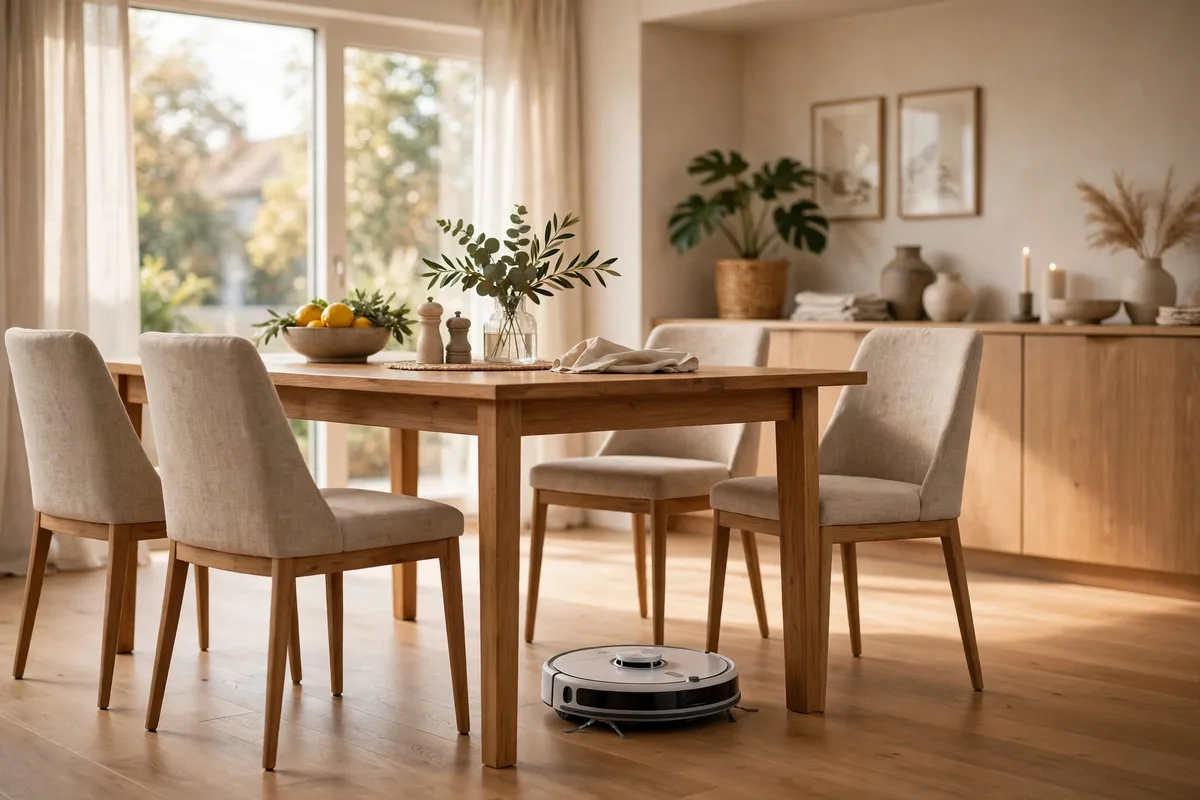
| iRobot Roomba i3 EVO | Robot | Daily hands-free upkeep | Mid-range |
| Eureka NEN180 | Cordless stick | Tight budgets, small homes | Under $120 |
| Bissell CrossWave HydroSteam Plus | Wet/dry | Sealed floors, vacuum and mop in one | Mid-range to premium |
1. Dyson V9 Motorbar — Best Cordless Stick For Everyday Hardwood
The Dyson V9 Motorbar takes the top cordless spot in one independent roundup because it does the two things that matter most on bare wood: it picks up fine dust without scattering it forward, and its soft roller head is gentle on the finish. The Motorbar head adjusts to different floor types, so the same machine that glides across the living room hardwood can move onto a low rug without a head change.
Who it suits best. Homes with mostly hardwood and a few rugs, where one cordless stick does the whole daily clean. It is light enough to carry upstairs, and the wall dock keeps it charged and out of the way. If your home is all hardwood with no carpet at all, the soft roller is the whole point — it is the head that protects the finish.
Watch for. Like every cordless stick, it runs on a battery, so a large home may need a mid-clean recharge or a second battery. Filters need washing or replacing on schedule, and that is part of the real cost of owning it — see the ownership-cost section below before you buy.
2. Samsung Bespoke Jet — Best Cordless Stick For Large Homes
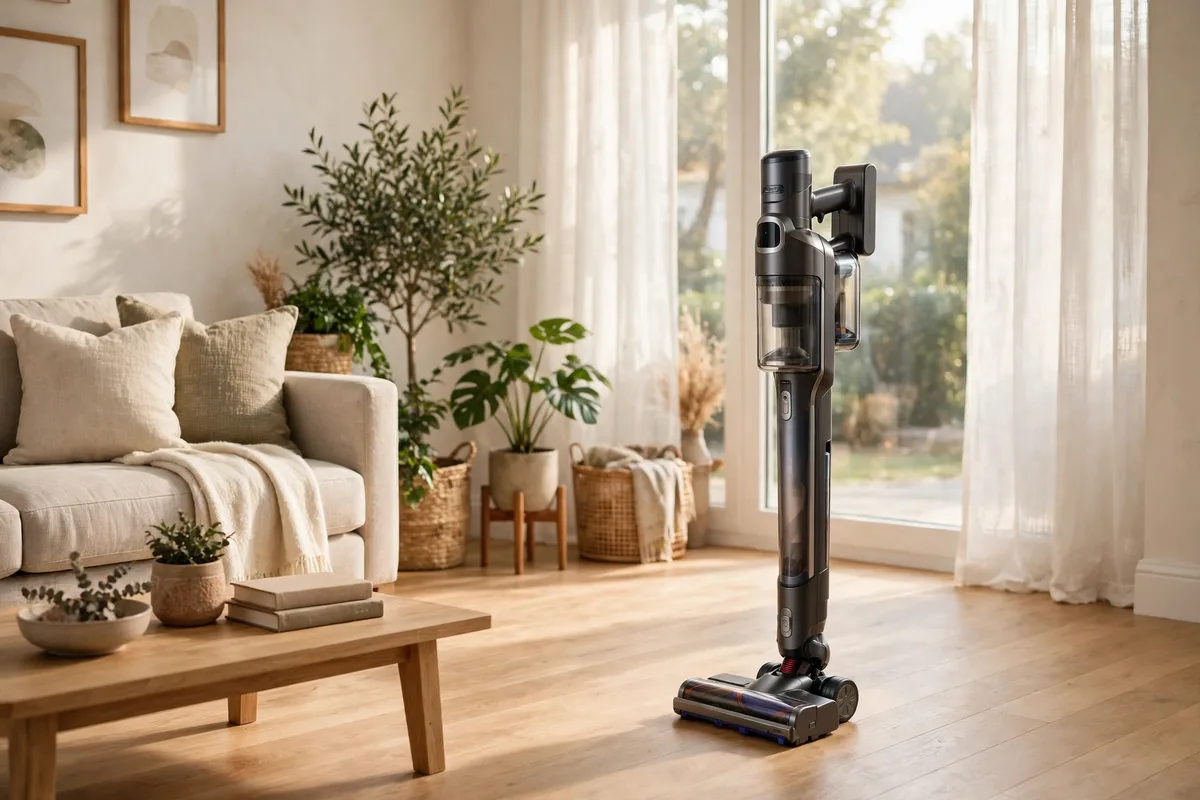
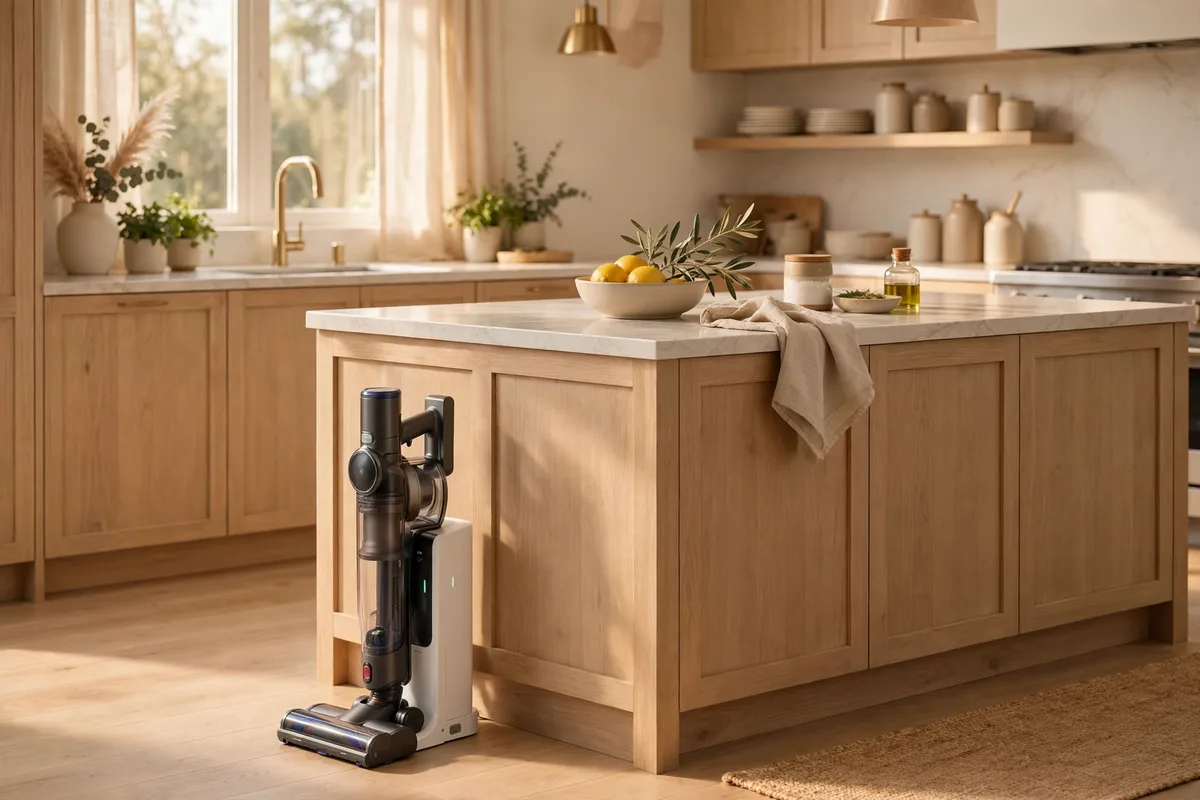
The Samsung Bespoke Jet wins the overall pick in This Old House’s hands-on test, and its strength is the whole system rather than any single feature. It is a cordless stick with strong pickup on hard floors, and it docks into a clean station that empties the dustbin for you — so you are not breathing in the dust you just collected every time you empty it.
Who it suits best. Larger homes where the vacuum runs daily and emptying the bin by hand gets old fast. The clean station also keeps the machine charged and stored in one tidy spot, which matters in a home where the vacuum lives in the kitchen or hallway rather than a utility closet. This Old House’s testers scored it well on pickup, noise, setup, and emptying alike — the full results are in their best vacuums for hardwood floors guide.
Watch for. The clean station needs floor space and an outlet of its own, so it suits a home with a proper storage spot. Replacement dust bags for the station are an ongoing cost, and the machine sits at the premium end of the price bands in this guide.
3. Miele Classic C1 Pure Suction — Best Canister For Large Hardwood Areas
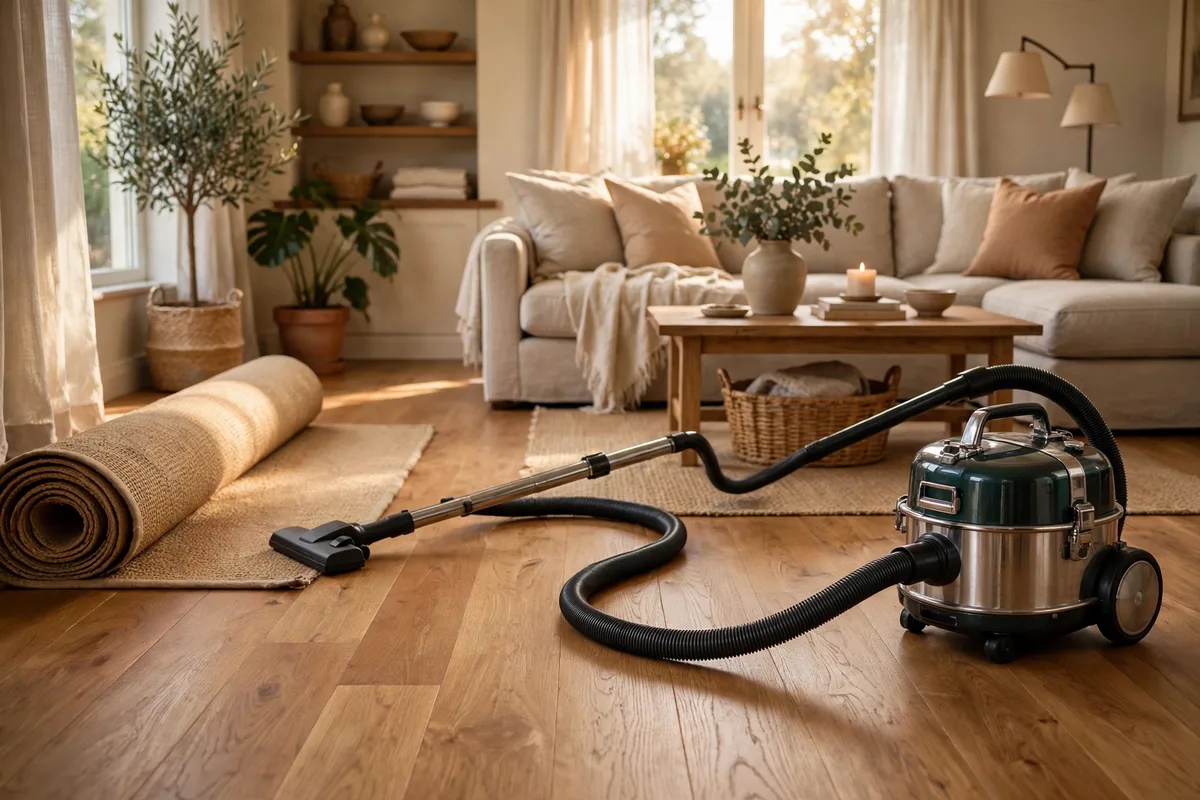
The Miele Classic C1 Pure Suction is the classic canister answer to hardwood: a dedicated hard-floor head with no spinning brush at all, a body that follows behind you on soft wheels, and suction you can dial down for delicate floors. It is the pick for people who want the floor cleaned properly rather than quickly.
Who it suits best. Homes with large stretches of hardwood — open-plan living rooms, long hallways, big dining rooms — where a canister’s long hose and light floor head beat carrying a stick around furniture. The Pure Suction head is essentially a wide, gentle mouth that glides across wood, which is why it appears in roundups as the canister pick for bare floors.
Watch for. A canister trails behind you, so it is less nimble in tight rooms full of furniture legs. It is a corded machine, so you are moving a plug from room to room. And it uses bags, which cost money over time but also mean you never see or breathe the dust you collected.
4. Miele Guard L1 AllFloor — Best Premium Canister For Finish Care
The Miele Guard L1 AllFloor is the newer premium canister in this guide, replacing the older Miele C3 Calima that several roundups used to list. It is built around the same idea as the Classic C1 — a gentle hard-floor head, adjustable suction, soft wheels — but in a lighter, more modern body with better filtration.
Who it suits best. Owners of expensive or newly refinished hardwood who want the gentlest possible clean and are willing to pay for it. If your floors were just sanded and sealed, or you have wide-plank wood that shows every mark, the Guard L1’s soft-touch design is the cautious choice.
Watch for. This is the premium end of the guide, and the bags and filters are Miele-priced too. It is also overkill for a small apartment with one hardwood room — the Classic C1 or a cordless stick would do the same job for less.
5. Kenmore BC3005 — Best Bagged Canister Value
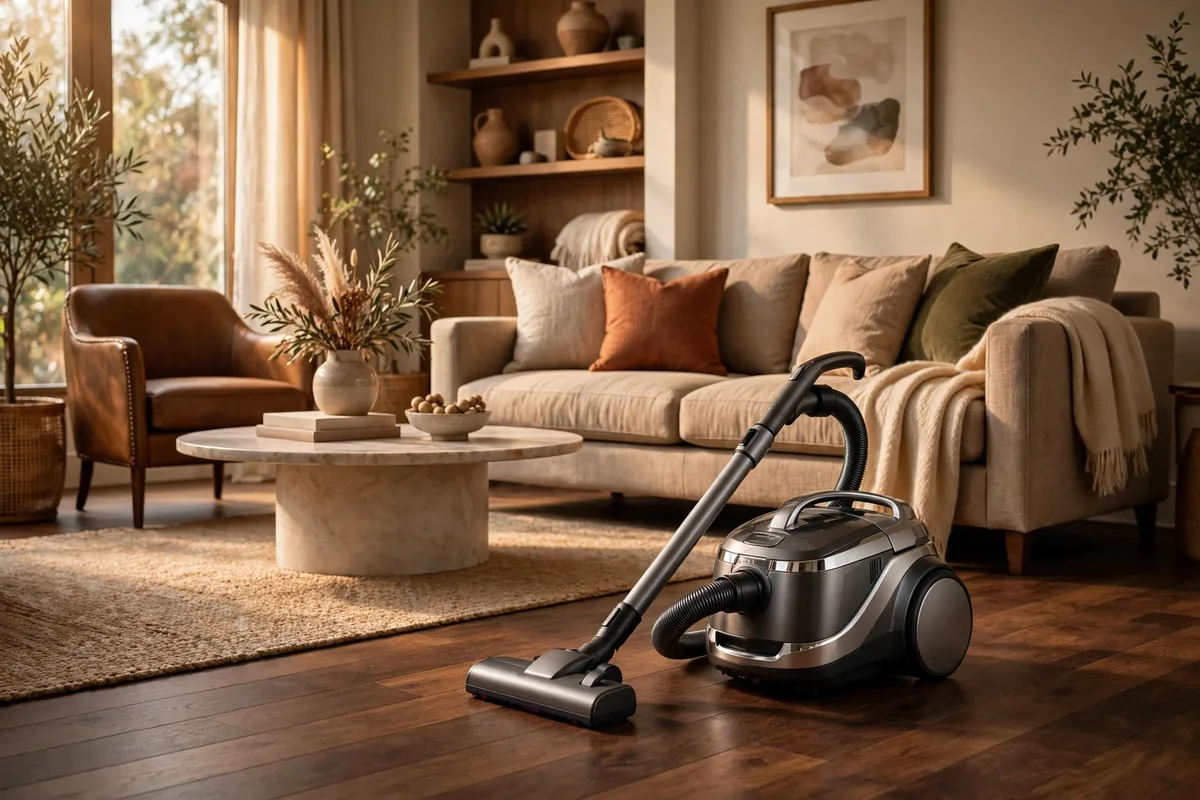
The Kenmore BC3005 takes the overall pick in one roundup for a simple reason: it is a proper bagged canister with a hard-floor setting at a price well below the Miele machines. Bagged canisters have a real advantage on hardwood — the bag traps fine dust and allergens, and emptying means swapping a sealed bag instead of tipping a dusty bin over a trash can.
Who it suits best. Allergy-sensitive households and anyone who prefers a sealed, bagged clean. It suits medium to large homes where the canister format makes sense and the budget does not stretch to a Miele. The hard-floor tool and adjustable suction cover the finish-safety basics.
Watch for. Bags are a running cost, and Kenmore bags are not as widely stocked as they once were, so check availability before you commit. It is also a heavier, more traditional machine than the cordless sticks — better for a weekly deep clean than a quick daily pass.
6. Shark IZ363HT — Best Value Cordless Stick
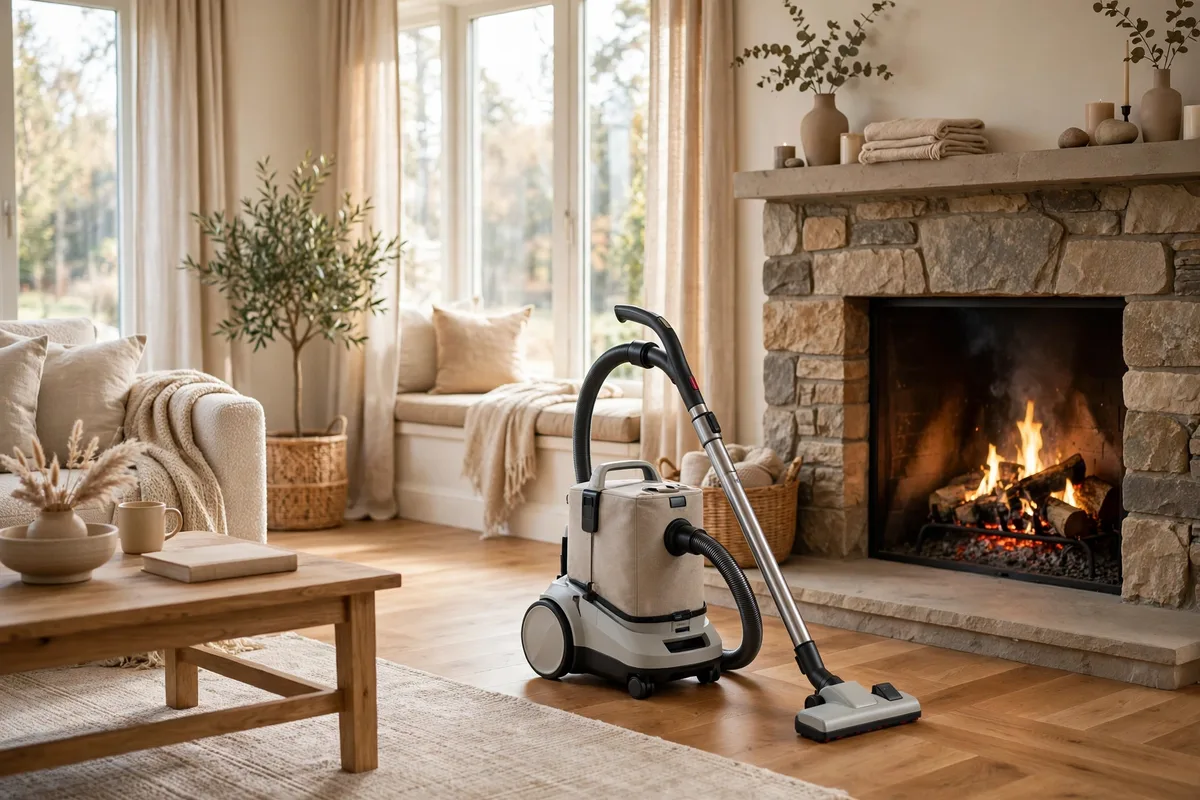
The Shark IZ363HT is the value pick in one independent roundup: a cordless stick that covers the hardwood essentials — a hard-floor setting, a brush roll you can switch off, and enough suction for daily dust and crumbs — without the premium price of the Dyson or Samsung.
Who it suits best. First-time hardwood owners, renters, and anyone who wants a capable daily vacuum without spending premium money. It is the sensible middle of this guide: good enough on every feature that matters, with money left over for the doormats and felt pads that protect floors just as much as the vacuum does.
Watch for. Battery runtime and dustbin capacity are smaller than the premium sticks, so very large homes may need two passes or a mid-clean empty. Filters need regular washing to keep suction strong.
7. Shark PowerDetect IP3253 — Best Cordless Stick For Pet Hair On Hardwood
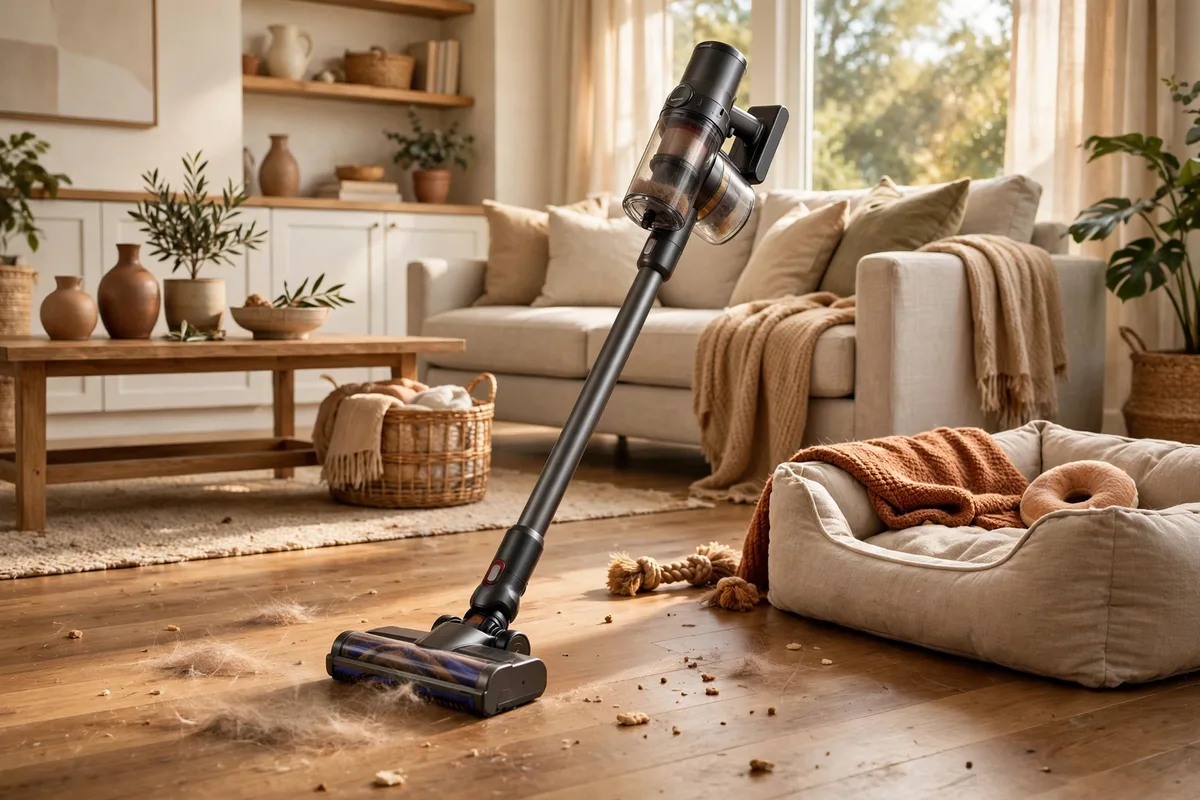
Pet hair on hardwood is a special problem: it does not sit still like it does on carpet. It drifts, clumps in corners, and scatters ahead of a fast-moving vacuum head. The Shark PowerDetect IP3253 is built for exactly that, with sensors that detect dirt and adjust suction, and a floor head designed to catch hair before it tangles or scatters.
Who it suits best. Homes with dogs or cats and mostly bare floors, where the daily clean is mostly hair, kibble, and tracked-in dirt. The dirt-detection feature means the machine works harder on the dirty patch by the back door and eases off on the already-clean middle of the room.
Watch for. No vacuum solves pet hair alone — a quick daily pass beats a heroic weekly one, because hair left for a week gets ground into the finish underfoot. Keep the brush roll clean; wrapped hair reduces pickup and can drag across the floor.
8. iRobot Roomba i3 EVO — Best Robot Vacuum For Daily Hardwood Upkeep
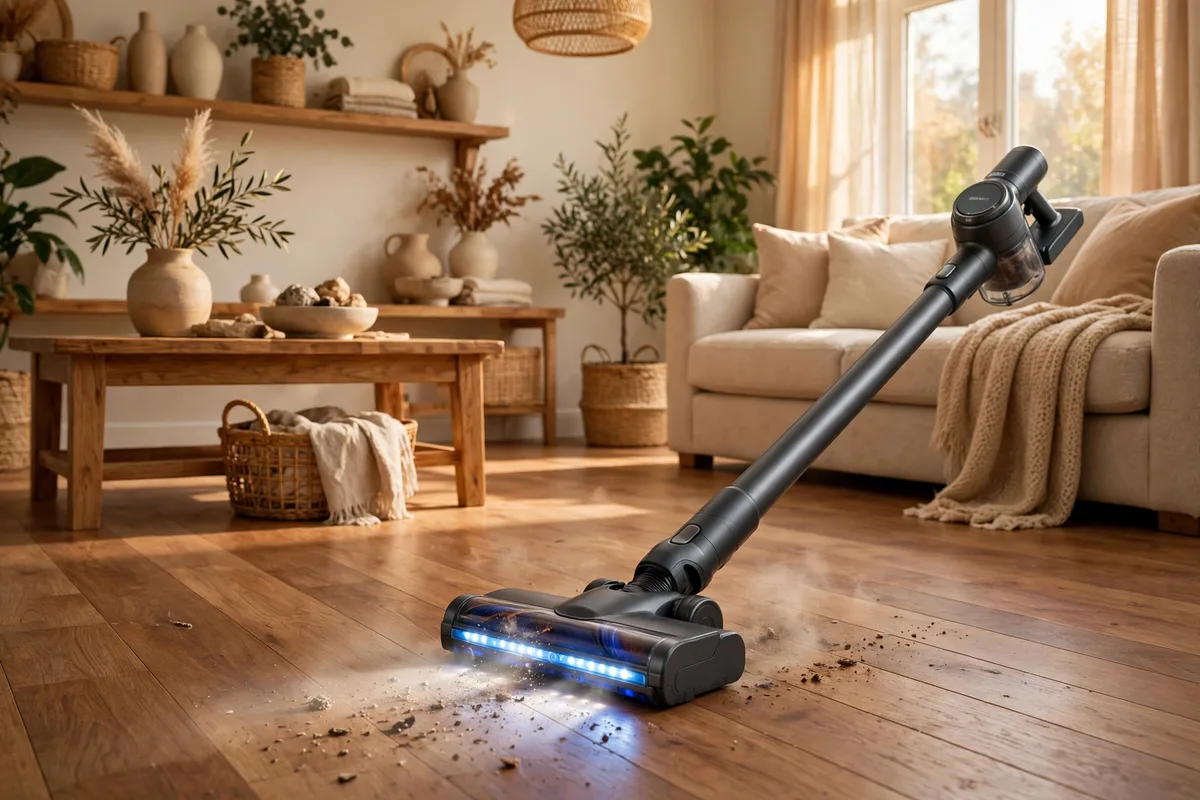
The iRobot Roomba i3 EVO is the robot pick in This Old House’s test, and its job is different from every other machine here: it is not the deep clean, it is the daily pass that keeps dust from building up between deep cleans. It runs on a schedule, navigates room to room, and returns to its dock on its own.
Who it suits best. Busy households and open-plan homes with clear floors, where a daily robot pass keeps the grit level low — and low grit means fewer scratches. It is also the pick for anyone with mobility limits who finds pushing a vacuum painful.
Watch for. Be honest about its limits. In This Old House’s own glitter test, the Roomba i3 EVO performed poorly at picking up scattered debris, yet still earned its recommendation — which tells you its strength is maintenance, not deep cleaning. You will still need a stick or canister for edges, corners, and the weekly proper clean. And clear the floor first: cables, socks, and rug tassels stop a robot cold.
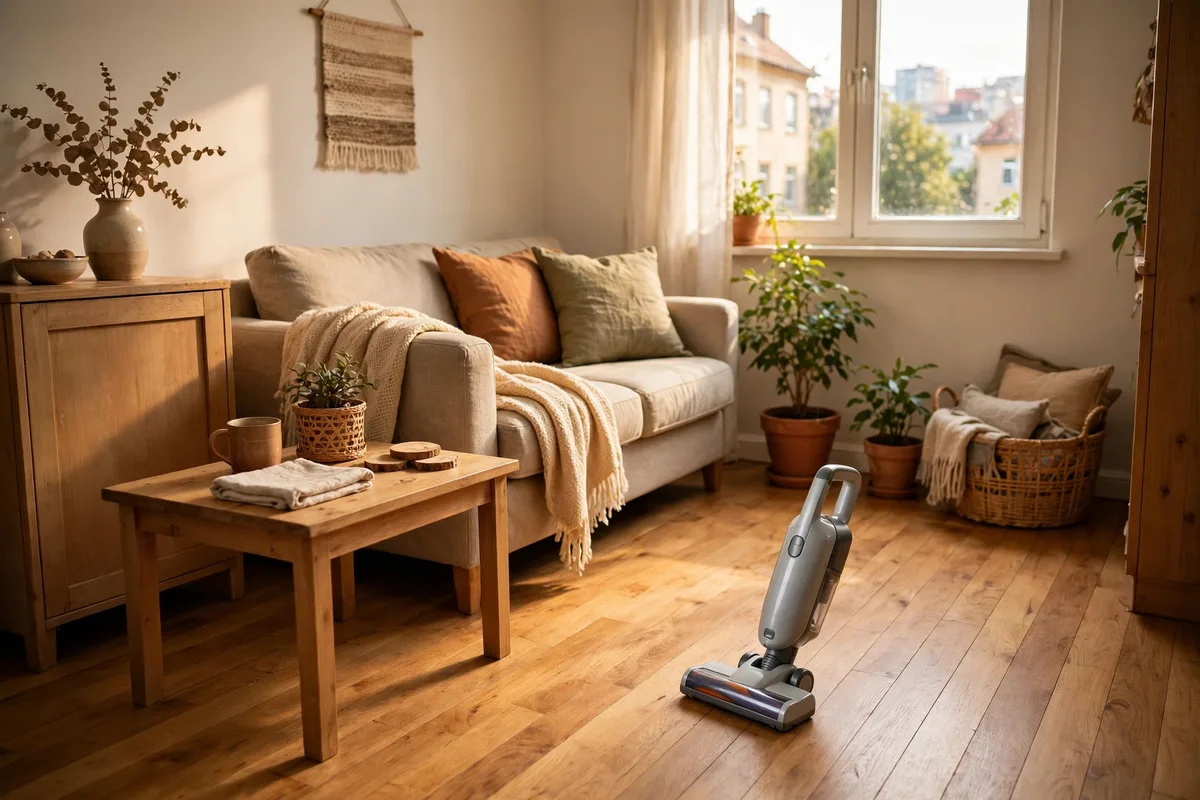
9. Eureka NEN180 — Best Budget Pick For Hardwood Floors
The Eureka NEN180 is the only pick in this guide with a stated price in the sources — under $120 — and that makes it the genuine budget tier. It is a lightweight cordless stick with a hard-floor mode, light enough to grab for a five-minute clean and cheap enough to be a second vacuum for the upstairs or the kitchen.
Who it suits best. Small homes and apartments, renters, and anyone who needs a capable hardwood vacuum for under $120. It is also a good second machine for a home that already has a canister for the weekly deep clean and just needs something quick for daily crumbs.
Watch for. A budget stick means a smaller battery, a smaller dustbin, and less suction than the premium picks. It will not replace a deep clean on a large home, and its hard-floor head is simpler than the soft rollers on the machines above. But for the price, it covers the basics — brush-off hard-floor mode, light weight, easy storage — that a hardwood floor actually needs.
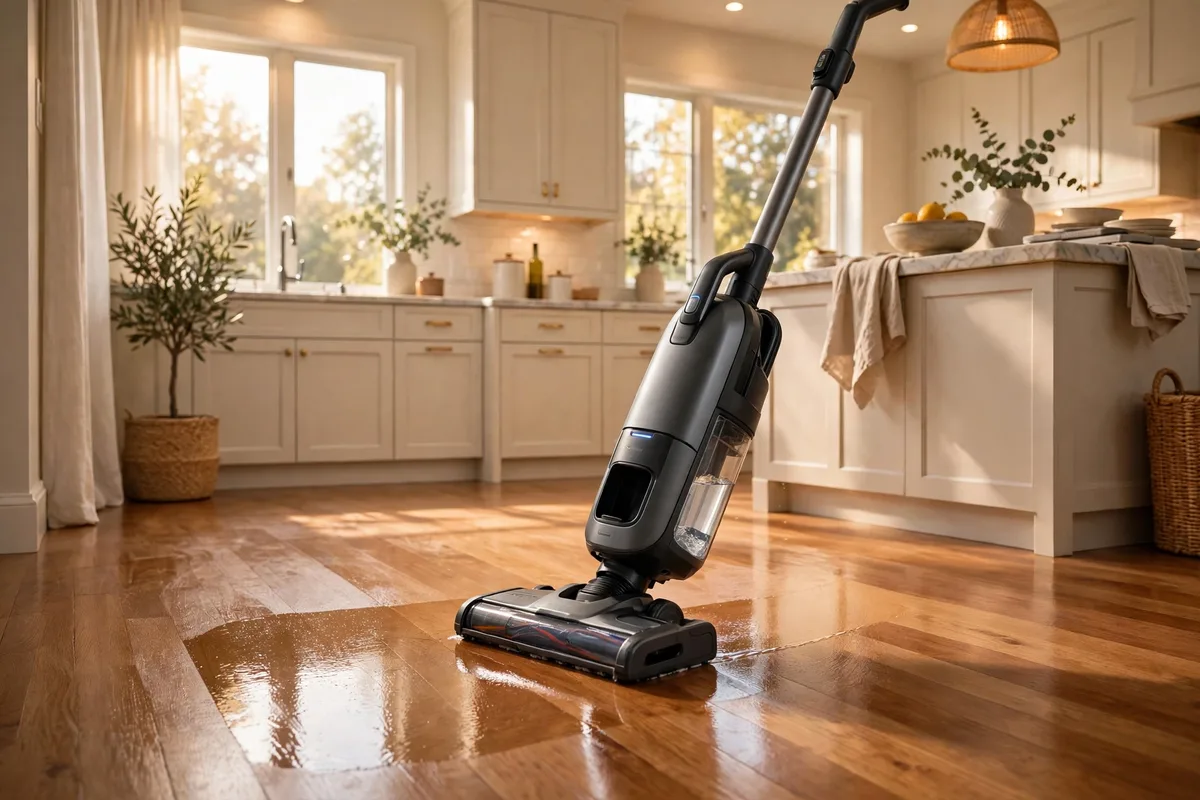
10. Bissell CrossWave HydroSteam Plus — Best Wet And Dry Vacuum For Sealed Floors
The Bissell CrossWave HydroSteam Plus is the only machine here that vacuums and mops in one pass, with a steam mode for sealed hard floors. It picks up dry debris and then washes the floor behind it, which is why it earns the wet/dry slot: for a kitchen with sealed hardwood, it replaces both the vacuum and the mop bucket.
Who it suits best. Kitchens and dining areas with sealed hardwood, where spills and sticky spots are the daily problem rather than dry dust. It suits homes that want one machine for the hard-floor rooms instead of two.
Watch for. This pick comes with the biggest caution in the guide. Steam and water are safe only on properly sealed floors — never on unsealed, oiled, or waxed wood, and never on a floor with worn or damaged finish where moisture can reach the wood. Check your finish first, test the steam mode on a hidden spot, and never leave the machine standing on a damp floor. If your floors are oiled or waxed, skip this pick entirely and choose one of the dry machines above.
What A Vacuum Really Costs To Own?
The sticker price is only the first payment. Over three to five years, the running costs add up, and they differ sharply by type — which is why the cheapest machine is not always the cheapest to own.
- Bags: bagged canisters like the Kenmore and the Miele machines need replacement bags, usually every one to two months in a busy home. Budget for a year’s supply when you buy.
- Filters: cordless sticks need their filters washed regularly and replaced eventually — typically once a year or so depending on use. A clogged filter is the most common reason a stick vacuum slowly loses suction.
- Batteries: cordless stick batteries last roughly three to five years before runtime drops noticeably. A replacement battery can cost a significant fraction of the original machine, so check the replacement price before you buy, not after the battery fades.
- Brush rolls and belts: soft rollers wear down, and brush rolls collect wrapped hair. Most are washable or replaceable, but they are another small recurring cost.
- Robot extras: robot vacuums need replacement brushes, filters, and occasionally wheels or sensors cleaned. The auto-empty dock models add dust bags to the list.
A canister with bags costs more per year in consumables but keeps its suction steady. A cordless stick costs less in bags — it has none — but the battery replacement is the big bill to plan for. Neither is wrong; just go in with your eyes open.
The Budget Tier: What Under $150 Actually Buys?
The sources in this guide found exactly one recommended hardwood vacuum under $120 — the Eureka NEN180 — and nothing they would recommend under $100. That is worth saying plainly, because it is the honest shape of the market: a good soft-roller head, adjustable suction, and rubber wheels cost money to build, and the cheapest machines usually cut one of those three.
Under $150, the Eureka is the pick, with the Shark IZ363HT sitting just above it as the step up. Between $150 and $300, the mid-range sticks and the Kenmore canister cover most homes well. Above that, you are paying for the clean station, the premium filtration, or the Miele build quality — real benefits, but benefits most homes can live without.
If your budget is genuinely under $100, the better move is not a cheaper vacuum but a smaller one: a lightweight stick for the rooms you use most, plus a good doormat, felt pads under furniture, and a habit of sweeping grit before it gets walked across the floor. Those three cheap habits protect a finish more than any machine.
How To Keep Hardwood Floors Scratch Free Between Cleans?
The vacuum is only half the story. Most scratches come from grit walked across the floor, furniture dragged an inch, and dust left to build up until it acts like sandpaper under shoes.
- Put felt pads under every chair and table leg, and replace them when they wear flat.
- Keep a doormat outside and inside every entrance, and shake them out weekly.
- Sweep or vacuum high-traffic paths daily if you have pets or children — grit left for a week does more damage than grit cleaned today.
- Never drag furniture. Lift it, or use furniture sliders.
- Store the vacuum where you will actually use it. A machine buried in a closet does not clean floors; a stick on a wall dock by the kitchen does. Our guide to garage organization ideas has practical storage setups for cleaning tools that keep them reachable without cluttering the house.
For the floor itself, the matching article on bathroom flooring ideas covers how different floor finishes behave in wet rooms — useful context if your hardwood runs into a kitchen or bathroom where water is a daily risk.
Frequently Asked Questions
Can A Regular Vacuum Scratch Hardwood Floors?
Yes, if it has the wrong head. A spinning carpet beater bar and hard plastic wheels are the two culprits. Use a vacuum with a soft roller or a brush roll you can switch off, rubber or felt wheels, and adjustable suction, and the risk drops to almost nothing.
Do I Need A Special Vacuum For Hardwood Floors?
You need the right features, not necessarily a special machine. Many good vacuums have a hard-floor mode. The features that matter are a soft roller or brush-off setting, adjustable suction, and gentle wheels. A carpet-only upright without those features is the one to avoid.
Are Robot Vacuums Safe On Hardwood Floors?
Yes, for daily upkeep on sealed floors. Robot vacuums are light, their brushes are soft, and they keep grit levels low between deep cleans. They are not a replacement for a proper weekly clean — they miss edges and struggle with scattered debris — but they do not damage the finish.
Can I Use A Wet Dry Vacuum On Hardwood Floors?
Only on properly sealed floors, and only with the manufacturer’s hard-floor or sealed-floor setting. Never use steam or wet modes on unsealed, oiled, or waxed wood, and never leave standing water on any hardwood floor. When in doubt about your finish, stick to a dry vacuum.
How Often Should I Vacuum Hardwood Floors?
High-traffic areas and pet homes benefit from a quick pass every day or two. Other rooms do well with two or three passes a week. The rule is simple: clean grit before it gets walked on, because grit under shoes is what scratches floors.
The Short Version
Match the machine to your home, not to a “best overall” crown that changes with every roundup. A cordless stick suits daily cleaning in a small to medium home. A canister suits large hardwood areas and allergy-sensitive households. A robot handles the daily pass while you do something else. A wet/dry machine suits sealed kitchen floors and nobody else. And whatever you buy, check the head, the wheels, and the suction control first — those three details decide whether your floors stay beautiful or slowly collect the marks of the machine that was supposed to protect them.