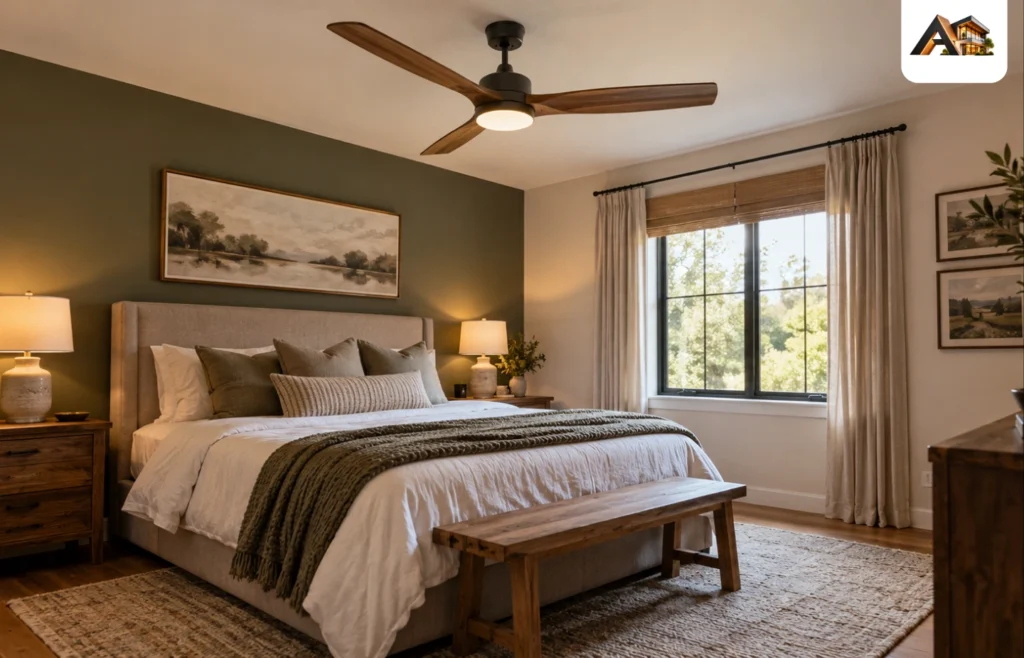

Economy home decor means decorating within a manageable budget by making better use of existing furniture, choosing affordable additions carefully, and avoiding purchases that create more work or expense.
Start with one room and identify what feels unfinished. You might need a comfortable reading light, curtains that fit, or somewhere to put everyday clutter. Solving that specific problem gives your spending a purpose.
These ten ideas help you decide what to keep, what to change, and where a small budget can make a useful difference.
Before You Shop, Choose Your First Priority
Write down the one change you most want from the room: more comfortable seating, a coordinated appearance, better privacy, or easier storage. Then separate essential purchases from optional decoration.
Set a spending limit that includes delivery, fittings, cleaning, and any tools you would need. Keep some money uncommitted until the main purchase is in place; you may discover that the room needs less than you expected.
Use this comparison to choose a starting point:
| What feels wrong? | Try first without buying | Consider buying only if needed |
| The living room feels awkward | Reposition seating and remove an unused piece | A table that fits the remaining space |
| The bedroom looks busy | Simplify visible bedding and clear the bedside surface | A coordinating cover for usable bedding |
| The room is uncomfortable after dark | Move an existing lamp to the activity area | Suitable task lighting |
| The entry collects belongings | Give keys, shoes, and bags defined places | Storage sized for those exact items |
| The window looks unfinished | Check panel placement and existing fabric length | Correctly sized curtains and necessary fittings |
10 Economy Home Decor Ideas Worth Trying
1. Test the Layout Before Replacing Furniture
A room can feel wrong because of furniture placement rather than furniture quality. Before replacing a sofa or table, sketch another arrangement using the pieces you have.
Keep doors, drawers, and frequently used routes clear. Check the layout during everyday activities: carrying laundry, pulling out a dining chair, or walking past someone seated.
For example, removing an occasional chair that nobody uses may create enough room to reposition the sofa comfortably. That could eliminate the need for a smaller replacement.
2. Borrow From Another Room
Look for objects that are useful but poorly placed. A bedside table might work beside an armchair; a bowl stored in a cupboard could become the entryway key dish.
Move one piece at a time and check whether the original room still works. Borrowing a lamp saves nothing if you immediately need to replace it where it came from.
Give each transferred item a specific job. This keeps rearranging from becoming a cycle of moving clutter around the house.
3. Use Existing Finishes to Guide New Colors
Build your palette around the elements you intend to keep, especially flooring, large furniture, and curtains. Take photographs and, where possible, carry a fabric sample when shopping.
If your room has a burgundy sofa and warm wood furniture, try fabrics that include both burgundy and a lighter background. This can connect the existing pieces without requiring a new neutral sofa.
There is no need to make everything beige or perfectly matched. Choose a few colors you enjoy and check new additions against them in the room’s actual light.
4. Refresh the Textile That Occupies the Most Space
Choose the fabric change that addresses the largest visible problem. In a bedroom, that might be a worn duvet cover. In a living room, it might be curtains that stop awkwardly above the floor.
Keep serviceable cushion inserts and replace only their covers when appropriate. Check measurements, closure type, and care instructions before ordering.
Consider the complete cost. Curtains may require multiple panels, lining, rings, or alterations. An inexpensive fabric purchase can become less economical once those extras are included.
5. Improve Lighting Where You Actually Sit or Work
Evaluate lighting from the position where you use it. A lamp that looks attractive across the room may shine into your eyes when you sit beside it.
Try repositioning an existing lamp first. For reading or hobbies, check whether light reaches the task without your body casting a shadow over it. For evening relaxation, see whether the shade makes the light comfortable from nearby seats.
Before buying, measure the available surface and check the route to an outlet. Follow the lamp’s bulb specifications and keep cords out of walking routes.
6. Buy Secondhand Pieces That Need Little Work
Secondhand shopping is most useful when you know the dimensions, function, and condition you can accept. Carry a short list rather than buying anything that looks like a bargain.
Open drawers, inspect joints, and check for instability, water damage, missing parts, and persistent odors. Include transport and any necessary cleaning or repairs in your comparison with buying new.
Inspect used furniture for signs of bed bugs before bringing it home, as the EPA recommends. A low price is not a reason to overlook a possible infestation.
A sound table with cosmetic wear may suit a limited budget better than an upholstered chair that needs professional restoration.
7. Fit Artwork to Frames You Already Have
Check the dimensions of spare frames before choosing prints. Standard-size photographs, your own drawings, or a meaningful postcard with a suitable mat can avoid the cost of custom framing.
Try the arrangement on the floor before hanging anything. Assess the group in relation to the furniture beneath it, rather than filling every empty stretch of wall.
Use hanging hardware suited to the wall and the complete framed weight. If using adhesive strips, follow that exact product’s surface, weight, application, and removal instructions. For example, Command’s picture-hanging guidance excludes wallpaper and hanging over beds.[2]
8. Choose Storage Around the Belongings It Must Hold
Count and measure what needs a home before buying baskets or boxes. A decorative basket that cannot hold your usual throws or fit under the console adds another object without solving the problem.
For open shelving, try grouping existing containers on one shelf before replacing them with matching sets. A repeated label style or simple arrangement may provide enough consistency.
In a small room, measure the usable interior space of storage furniture. A bulky storage bench can occupy valuable floor area while holding surprisingly little.
9. Make One Necessary Hardware Change
Changing handles can refresh a serviceable dresser or cabinet, but check the existing hole spacing and door or drawer thickness first. Replacement screws and additional drilling can complicate an apparently simple update.
Try one handle before ordering the full quantity. Check grip comfort, clearance, and whether the finish suits nearby fittings.
If the existing hardware works and you like its shape, cleaning it with a finish-appropriate method may be sufficient. Renters should obtain any required permission and retain original fittings for reinstatement.
10. Finish One Everyday View
Choose a small area you see frequently: the view from the doorway, the bedside, or the dining table. Complete its practical needs before adding decoration.
A dining table might need only a washable runner you already own and a bowl that can be moved easily at mealtimes. A bedside may feel finished once there is room for a book, a drink, and usable lighting.
Live with the result before starting another area. This gives you time to notice what genuinely improves the room and reduces repeated impulse purchases.
Where to Spend and Where to Save?
Put more of the budget toward fit, comfort, and durability in things you use daily. A frequently used chair deserves more scrutiny than an occasional decorative object. Likewise, privacy curtains should perform their main job before you judge their appearance.
Save by keeping sound furniture, reusing compatible parts, and delaying optional accessories. Avoid making every inexpensive item into a restoration project.
Before choosing DIY, add up materials, tools, preparation, and time. Sewing a straightforward cushion cover with fabric and equipment you already own is a different proposition from buying a machine for one project.
For any purchase, ask: Would I still want this if it were not discounted? If the answer is no, leave it off the list.
A Simple Living Room Refresh Without Replacing the Sofa
Imagine a room with a comfortable brown sofa, two unrelated side tables, crowded shelves, and poor reading light.
Start by moving the better-sized table beside the seat used most often. Relocate an existing lamp there and clear enough surface for everyday use. Remove shelf items that belong elsewhere.
Next, test a textile sample that works with the sofa and flooring. If a cushion cover helps connect those colors, buy the required size. If it adds little, keep the money.
Finish by assessing the remaining problem. You might need a curtain adjustment more than a rug or new coffee table. The purchase list should follow what the room needs after the free changes.
Frequently Asked Questions
Can budget decorating work with a colorful or maximalist style?
Yes. Concentrate your budget on a coherent collection of colors, patterns, or objects you enjoy. Display existing collections together and test combinations before adding more. A generous, layered look can still leave room for comfortable movement and useful surfaces.
How can renters decorate economically?
Start with portable pieces such as bedding, freestanding lighting, and appropriately sized furniture. Check your lease and obtain permission where required before changing fittings or wall finishes. Do not assume that an adhesive or peel-and-stick product is suitable for every surface or guaranteed to leave it undamaged.
Is it better to buy a cheap rug now or wait?
Wait if the affordable option is the wrong size, difficult to maintain, or unsuitable for the room. If you need a rug immediately, prioritize fit and everyday performance over a particular pattern. Include any required rug pad and delivery in the total price.
Make the Next Change Count
Economy home decor works best when every addition has a clear purpose. Start with what you own, resolve the room’s most noticeable problem, and buy only what improves its appearance or everyday use. You can build a comfortable, personal home gradually without treating every unfinished corner as a shopping task.