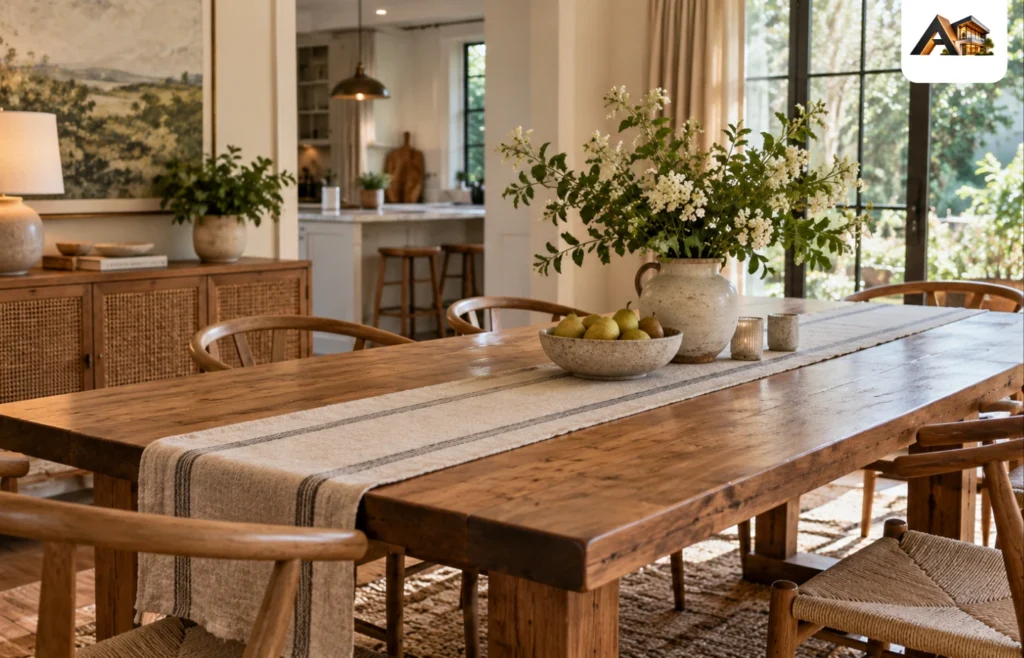

A cozy living room is not a particular style, and it is certainly not a room filled to the brim with cushions. It is a feeling: the room where shoes come off without thinking, where a conversation stretches longer than planned, and where an ordinary evening at home feels like a small pleasure. Some rooms have that feeling the moment you walk in. Others look fine in a photograph yet feel flat or oddly formal when you actually sit down in them.
The difference usually has little to do with money. It comes from quiet decisions working together: the colour of the light, the softness underfoot, the way seats face each other, and the textures within reach. Change those, and even a plain room can start to feel welcoming. This guide covers colour, lighting, seating, texture, rugs, windows, focal points, and natural materials, along with ideas for small rooms and tight budgets.
What Coziness Really Means
Coziness is often confused with clutter, darkness, or a particular rustic look. None of those is required. A bright, modern room can be cozy, and so can a pale, minimal one. What those rooms share is not a style but a sense of enclosure, softness, and ease.
Think about the rooms where you have felt most comfortable. The light was probably gentle rather than harsh. There was somewhere soft to sit and somewhere to put a cup down. The room was not echoing or bare. Most importantly, it felt arranged for people, not just for looking at: seats close enough for conversation, a lamp beside a favourite chair, and a throw within reach. Keep that test in mind for every idea below. Ask whether it makes the room easier and more pleasant to use, not just nicer to look at.
Start With Warmth, Not With Shopping
The easiest mistake is to start by buying things. A more useful first step is to spend an evening noticing how the room already behaves. Sit in each seat. Notice where light falls in the morning and in the evening, which corner feels cold or forgotten, and which seat nobody chooses. Those observations tell you far more than a catalogue ever could.
Often, the room needs rearranging more than replacing. A sofa pulled a little away from the wall, chairs turned slightly toward each other, and a lamp moved beside a favourite seat can change the whole mood before a single new item arrives. Removing a few objects that do not belong can help the things you love stand out. Start with light and layout, since those cost little and affect everything else, then move to textiles, which are easy to swap.
Choose A Warm Colour Palette That Still Feels Calm
Colour sets the temperature of a room before anything else is noticed. Cool, stark whites and cold greys can feel crisp, but in a dim room, or one used mainly in the evening, they can also feel chilly. Warm colours wrap a room gently, and they do not have to be dark or dramatic to work.
A calm warm palette usually starts with one soft base colour for the largest surfaces: warm white, cream, oatmeal, soft beige, or pale clay. From there, add one or two deeper warm tones in smaller amounts, such as terracotta, rust, mustard, olive, or caramel, in cushions, a throw, artwork, or a plant pot. Repeating an accent in two or three places helps the room feel connected, while scattering many unrelated colours across every surface tends to make it feel restless. Dark colours can be cozy too, but use them with care: one deep green or navy wall behind a sofa can create enclosure, while painting every wall dark can make a small room feel heavy.
Layer Light At Three Levels

If one change transforms a living room more than any other, it is lighting. Most uninviting rooms suffer from the same problem: a single bright ceiling light that flattens everything and leaves corners in darkness. Cozy rooms use several smaller, warmer light sources at different heights, so the room glows rather than glares.
Think of lighting in three layers. General lighting gives overall brightness. Task lighting helps with reading or crafts. Accent lighting draws attention to artwork or a plant. A cozy living room usually needs at least two of these layers in the evening, and often all three. Try turning off the ceiling light and seeing what the room feels like with lamps alone: a floor lamp beside the sofa, a table lamp on a side table, and a small lamp in a far corner can completely change the atmosphere. Keep shades at or below eye level when seated, and choose fabric shades where possible, since they diffuse light gently.
Bulb colour matters just as much as placement. Warm white bulbs, often labelled around 2700K to 3000K, generally give the soft, golden glow most people associate with coziness. Keep the bulbs in one room at a similar warmth, so the light feels consistent. Dimmers, where they can be fitted safely, let the same room shift from bright to relaxed. For more practical ideas on choosing and placing lamps, see IKEA’s guide to living room lighting. Daylight matters too: open curtains by day, and close them in the evening for privacy, insulation, and a sense of enclosure.
Make Seating The Place Everyone Wants To Sit
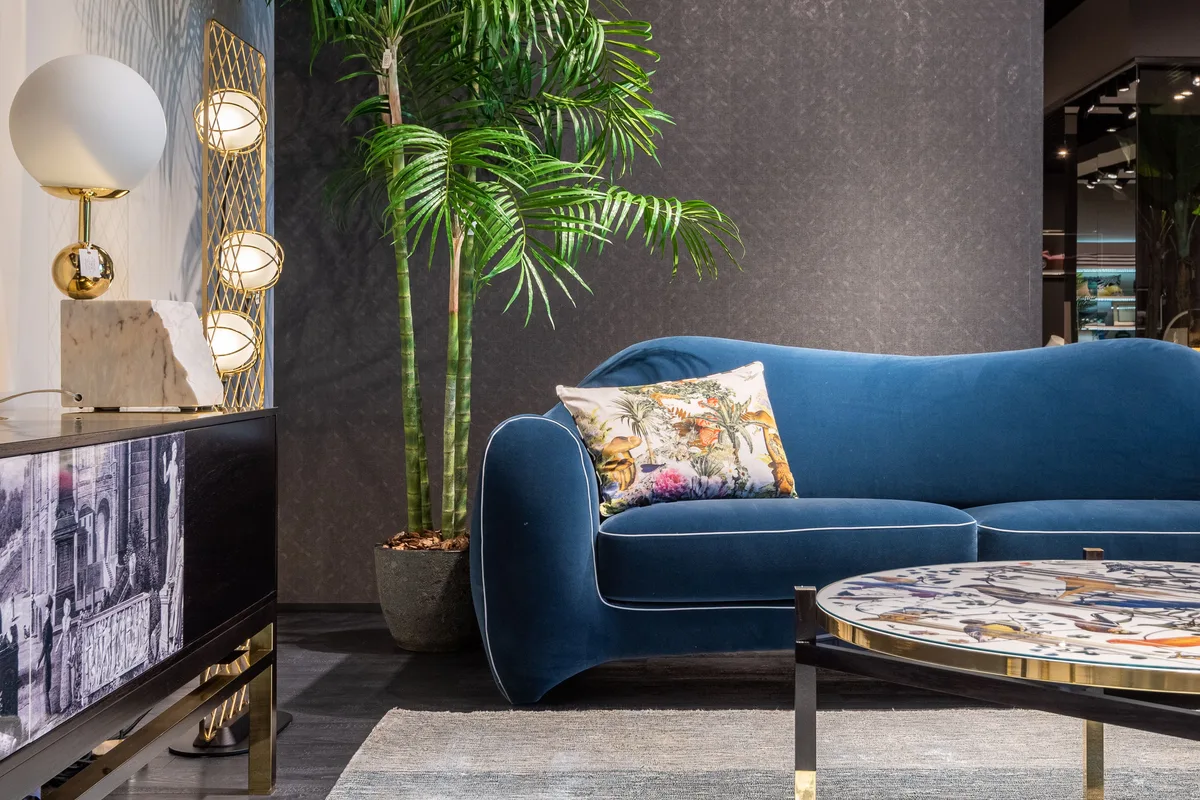
A cozy living room is judged, above all, by its seats. If the sofa is too firm, too shallow, or too far from everything else, people will drift away to other rooms. If the seats invite you to sink in and stay a while, the room will feel cozy almost regardless of what else is in it.
Comfort starts with depth and support. A seat that lets you sit back properly, with cushions that support your lower back, will always feel more inviting than a stylish but shallow seat. When choosing new seating, sit in it the way you actually sit at home: lean back, tuck your feet up if that is your habit, and check whether a side table is within reach. Arrangement matters just as much. Seats grouped around a shared centre, such as a coffee table, a rug, or a fireplace, encourage conversation, while seats lined up against the walls can make a room feel like a waiting area. Pulling a sofa even a short distance away from the wall often helps, and chairs angled slightly inward feel more sociable than a rigid row. Give every seat something useful nearby: a table for a drink, a lamp for reading, and a throw within reach.
Add Texture Until The Room Invites Touch
If light sets the mood of a room, texture is what makes it feel touchable. A room with only smooth, hard surfaces can look polished yet feel cold. A room with varied textures feels rich and lived in, even when its colours are simple. That is why a plain cream room with wool, linen, wood, and woven baskets can feel far cozier than a colourful room with nothing soft in it.
The simplest way to add texture is through textiles. A chunky knit throw draped over one arm of a sofa, cushions in different fabrics, and a woven basket for extra blankets immediately signal comfort. The key is variety within a calm colour range: combine a smooth fabric with a nubby one, a matte surface with a slightly shiny one, and a heavy weave with a light one. Velvet, bouclé, wool, cotton, and linen all feel different to the touch, and that difference is what the eye reads as warmth.
Do not overdo it, though. Too many cushions can make a sofa hard to sit on, and too many competing patterns can make a room feel busy. Keep cushions modest in number, vary their sizes and textures rather than matching them exactly, and let one or two pieces be the stars. Texture is not only about fabric, either: a rough wooden table beside a smooth ceramic vase, or a woven rug under a leather chair, creates contrast that keeps the eye interested.
Ground The Room With A Rug That Fits
A rug does more work in a cozy living room than almost any other single item. It softens hard floors, absorbs sound, defines the seating area, and adds colour and texture all at once. A room without a rug often echoes, feels cold underfoot, and looks scattered, even when the furniture is good.
Size is the most common mistake. A rug that is too small floats in the middle of the floor, touching nothing, and makes seating look disconnected. As a general guide, the front legs of the sofa and chairs should sit on the rug, with enough rug beyond the seating for feet to rest on comfortably. If you are unsure, mark the outline on the floor with painter’s tape before buying, and live with it for a day or two.
Material should suit how the room is used. A thick, high-pile rug feels luxurious under bare feet and helps quiet a room with hard floors, but it can be harder to clean in a busy family room. A flat, durable weave is easier to maintain and still adds warmth, especially layered with a smaller, softer rug on top. Wool is soft and resilient, cotton is washable and light, and jute adds a rustic, earthy texture. Colour and pattern should support the room, not compete with it: a warm neutral or soft pattern drawn from the cushions or artwork will tie everything together, and a rug pad underneath adds cushioning and prevents slipping.
Dress Windows For Softness And Privacy
Windows shape a living room in two ways: they bring in daylight, and they frame the view. Bare windows can feel stark, especially in the evening when dark glass acts like a mirror. Heavy curtains kept closed all day, on the other hand, can make a room feel gloomy. The cozy middle ground softens light by day and adds enclosure by night.
Sheer curtains are one of the simplest tools for this. They diffuse daylight into a soft glow and give a room a gentle, finished look without blocking light. Hang them high and wide, with the rod close to the ceiling and extending beyond the window frame, so the window looks taller and the room feels more generous. In the evening, a heavier curtain layered over the sheer panel adds privacy, insulation, and snugness.
Heavier fabrics such as velvet, heavy linen, or lined cotton can transform a room in winter, helping block drafts and soften sound. If full-length heavy curtains feel too much, a single pair on the main window, or a Roman blind in a warm fabric, can still make a difference. Wooden blinds add natural warmth, and fabric blinds bring softness in a more tailored form. Whatever you choose, make sure it can be opened fully during the day. A room that cannot welcome daylight will struggle to feel inviting, however well it is decorated.
Make Small Living Rooms Feel Cozy Without Feeling Crowded
Small living rooms can be among the coziest of all, because their very size creates enclosure. The challenge is to keep that enclosure feeling snug rather than cramped. The secret is to choose fewer, better pieces and to let each one earn its place.
Start with scale. A sofa that fits the room, with visible legs or a raised base, will feel lighter than a bulky, floor-hugging piece that blocks walkways. A slim-legged coffee table, a small side table instead of a large console, and wall-mounted shelves instead of a heavy bookcase all preserve a sense of air. If a piece is rarely used, consider whether it needs to be in the room at all. Removing one unused chair can make the remaining seats feel far more inviting.
Mirrors and vertical lines help, when used with restraint. One large mirror, placed where it reflects a pleasant view or a light source, can double the sense of depth. Tall curtains, a vertical piece of art, or a slim floor lamp can draw the eye upward and make a low ceiling feel less pressing. Use one or two of these ideas, not all of them at once. Colour and light need extra care here too: warm, light wall colours bounce light around, deeper colours are best kept to cushions and throws, and layered lamps matter even more, since a single overhead light in a small room can feel especially harsh. Finally, plan storage: a basket for throws, a lidded ottoman for clutter, and a single tall shelf for books will keep surfaces clearer than several small storage pieces scattered around.
Keep Coziness Affordable: Changes That Cost Little Or Nothing
A warmer living room does not require a large budget. Some of the most effective changes cost nothing at all: rearranging furniture, removing objects that do not belong, opening curtains during the day, and switching off the ceiling light in favour of lamps. Those free changes often make a bigger difference than a new purchase.
When you do spend, spend where the eye and the body notice it most. A warmer bulb in an existing lamp, a new lampshade, a washable throw, or a set of cushion covers can change the evening mood of a room for a modest amount. A rug is a larger investment, but it affects comfort every day, so it is often worth prioritising over a decorative object that is rarely touched. Paint on a single wall is another high-impact, relatively low-cost change.
Second-hand and swapped items can also help. A wooden chair, a basket, or a lamp found second-hand can bring character that a new, mass-produced piece cannot match, and swapping cushion covers or artwork between rooms can refresh a living room without spending anything. Be honest, too, about what not to buy: ten cushions on a sofa that is hard to sit on, or a shelf full of candles that are never lit, add visual noise rather than warmth. Before buying, ask whether the item will be used, whether it fits the room, and whether it supports the way you actually live. Make one change, live with it for a week, and then decide what is needed next. For the whole-home version of these ideas, see Archly Home’s guide to interior decorating ideas.
Frequently Asked Questions
How Do I Make A Living Room Cozy Without Buying New Furniture?
Start with light, layout, and textiles you already own. Turn off the ceiling light in the evening and use lamps instead, pull seating closer together around a rug or coffee table, and move a throw from another room onto the sofa. Rearrange cushion covers, remove objects that do not belong, and open curtains during the day. New furniture is rarely the first step toward coziness.
How Can I Make A Dark Living Room Feel Warmer?
Use warm white bulbs, add lamps at different heights, and keep window treatments light during the day so daylight can enter. Choose warm, light colours for the largest surfaces, and bring deeper warmth in through cushions, throws, and wood tones rather than painting every wall dark. A mirror placed where it reflects a light source can also help. The goal is gentle, layered light, not a single bright fitting.
What Colour Makes A Living Room Feel Coziest?
There is no single coziest colour, because light, texture, and personal taste all play a part. Warm neutrals such as cream, oatmeal, soft beige, and pale clay are reliable bases because they reflect warm light without feeling cold. Deeper accents such as terracotta, rust, olive, and caramel add warmth in smaller amounts. If you love cool colours, keep the walls cool and bring warmth in through wood, lamp light, and textiles.
Is A Cozy Living Room Always Dark And Heavy?
No. A cozy room can be bright, pale, and modern. Coziness comes from soft light, comfortable seating, varied texture, and a layout made for people, not from darkness or heaviness. A pale room with warm lamps, a soft rug, linen curtains, and wooden details can feel just as inviting as a dark, traditional room. What matters is whether the room feels soft, warm, and easy to spend time in, whatever its colours.
A Room That Welcomes You Back
A cozy living room is not finished in a single shopping trip, and it does not need to be perfect to work. It grows from small, thoughtful decisions: light that falls gently, seats that invite you to stay, textures that invite touch, and a layout that makes conversation easy. Those decisions cost less than most people expect, and they matter more than any single piece of furniture.
Start where the change will be felt most. Fix the lighting, pull the seating together, and add softness where the room feels hard. Then live with the result for a while before deciding what comes next. A room shaped gradually, around real evenings and real people, will always feel warmer than a room assembled all at once from a picture. The best test is simple: walk into the room in the evening, turn on the lamps, and see whether you want to sit down and stay. When the answer is yes, without thinking about it, the room has done its job.