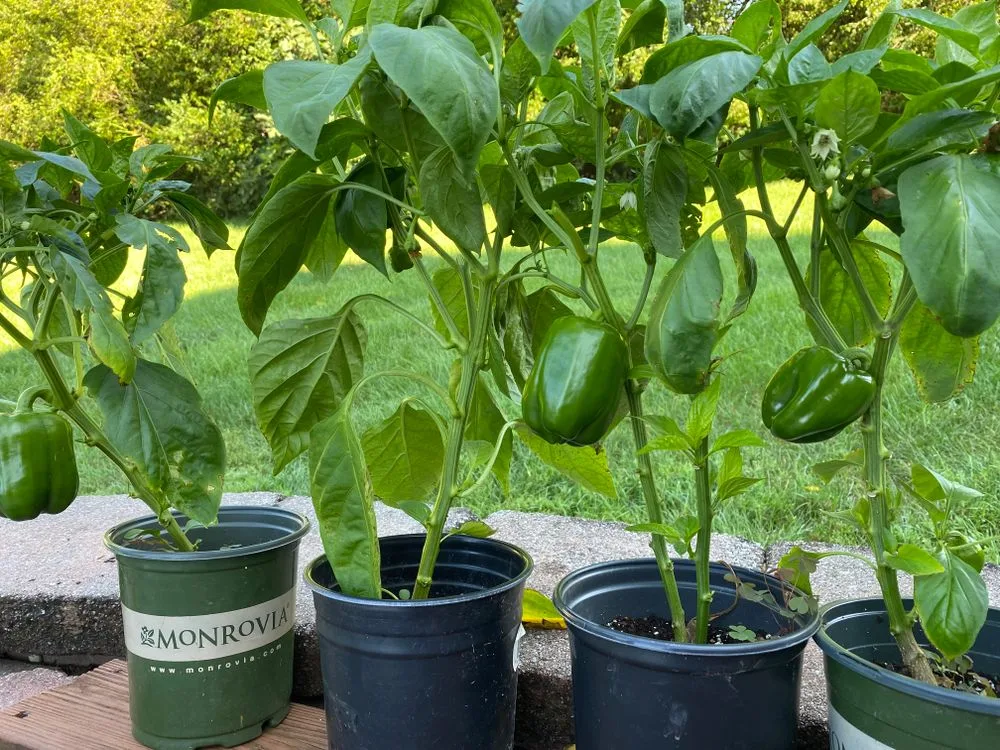
Peppers are made for containers. They like warm roots, they do not need a large bed, and a single healthy plant in a pot on a sunny patio can produce fruit all summer. They also punish the same few mistakes every year: a pot that is too small, soil that stays soggy, a shady corner, and water that swings between flood and drought. Get those four basics right, and container peppers are one of the most forgiving vegetables a home gardener can grow.
The other reason peppers suit pots is control. You can move a container into the sunniest spot, shelter it from a cold snap, and start with clean potting mix instead of tired garden soil. That control matters most for peppers, which are warm-season plants that sulk in cold soil and reward steady warmth with steady fruit.
Choose The Right Pepper For A Pot
Start with the pepper, not the pot. Compact and bushy varieties suit containers best, because they stay manageable and put energy into fruit rather than into sprawling stems. Sweet bell peppers, lunchbox peppers, and smaller hot peppers such as jalapeño and cayenne all grow well in pots. Very large or sprawling varieties can still work, but they need a bigger container and stronger support, so they are a harder first choice.
Buy transplants rather than starting from seed unless you have a warm, bright indoor setup and plenty of time. Peppers are slow to start, and a healthy nursery transplant that is already sturdy will outpace a late, leggy seedling by weeks. Choose plants with dark green leaves, a thick stem, and no yellowing or spots, and avoid plants that are already root-bound or flowering heavily in a tiny pot, because they have often been stressed before you even bring them home.
Pot Size, Soil, And Drainage
Pot size is the decision that most affects the harvest. For one pepper plant, a container of at least five gallons, roughly twelve to fourteen inches across and deep, is the practical minimum. Larger plants and hot varieties that grow tall will do better in seven to ten gallons, because a bigger pot holds moisture more evenly and gives roots room to feed a heavy fruit load. One plant per pot is the rule that keeps container peppers productive. Two plants in one pot compete for water and food, and both usually produce less than one plant grown alone.
Use a light, well-draining potting mix, not garden soil, which compacts in a container and suffocates roots. A mix made for containers, with compost and a material that holds air such as perlite, works well. Drainage holes are not optional: a pot without them will stay wet after watering, and pepper roots in standing water quickly rot. Raise the pot slightly off the ground with pot feet or bricks so excess water can drain freely, and empty any saucer that fills after watering rather than letting the pot sit in it.
Sun, Warmth, And Where To Put The Pot
Peppers need full sun, which means at least six hours of direct sun a day, and eight to ten hours is better. A south-facing patio, a sunny balcony, or a spot against a warm wall that reflects heat all suit container peppers. Shade is the most common reason a container pepper grows leaves but few fruit, so if a spot only gets morning sun, the plant will survive but the harvest will be thin.
Wait for warmth before moving plants outside. Peppers stall when soil is cold, and a plant set out too early can sit unchanged for weeks while a plant set out a week later overtakes it. Move pots outside only when nights are reliably warm and the soil in the pot feels warm to the touch. If a late cold snap threatens, moving a container indoors or under cover for a night is one of the great advantages of growing in pots, so use it.
Watering Without The Swings
Container soil dries faster than garden soil, and peppers dislike both drought and waterlogging. The goal is even moisture: soil that feels damp like a wrung-out sponge, not wet and not dusty. Check by pushing a finger an inch or two into the mix. If it feels dry at that depth, water deeply until water runs from the drainage holes. If it still feels damp, wait and check again tomorrow.
Water in the morning when possible, so leaves dry during the day and the plant has moisture for the hottest hours. Mulch the surface of the pot with straw or shredded bark to slow evaporation and keep soil temperature steadier. In hot weather, a large pot may need watering daily, while a shaded or smaller pot may need less, so judge by the soil rather than by a fixed schedule. Wilting in the afternoon heat does not always mean the soil is dry, so check the mix before adding more water, because overwatering a wilted plant can make root problems worse.
Feeding, Support, And Pruning
Peppers in containers rely entirely on what you feed them, because a pot holds only a small reserve of nutrients. Start with a potting mix that already contains some slow-release feed, then begin liquid feeding once the plant is growing well and the first flowers appear. A balanced liquid feed every one to two weeks, at the strength on the label, suits most container peppers. Avoid heavy feeding early on, which can push leafy growth at the expense of fruit, and ease off if leaves turn very dark green and soft while flowers fail to set.
Support the plant early, before it is loaded with fruit. A small tomato cage or a sturdy stake tied loosely to the main stem will hold a pepper upright in wind and under a heavy crop. Pepper stems can become brittle as they mature, so tie with soft twine and leave room for the stem to thicken. Pruning is light work: remove damaged or yellowing leaves, and pinch out the first few flower buds on a small transplant if you want a stronger plant before fruiting, though this step is optional and many gardeners skip it without harm.
Common Problems And Simple Fixes
Blossom drop is the most common container pepper complaint, and it usually traces back to temperature or water. Very hot nights, cold nights, or soil that swings between dry and wet can all cause flowers to fall without setting fruit. Steady watering, a larger pot, and a spot with some afternoon shade in extreme heat usually fix it, and the plant will often set a new flush of flowers once conditions settle.
Blossom end rot, where the end of the fruit turns dark and sunken, is usually a watering problem rather than a disease. Uneven moisture stops the plant taking up calcium evenly, so the fix is consistent watering and a mulch layer, not a quick spray. Pests in containers are usually aphids and, in some regions, spider mites. Check leaf undersides regularly, wash small aphid colonies off with a strong jet of water, and remove badly affected leaves. Healthy, well-watered plants resist pests better than stressed ones, so the basics are also the pest control.
For a university-backed reference on pepper varieties, spacing, and care, see University of Maryland Extension’s growing peppers guide, which covers planting, watering, and harvest in plain detail.
Harvesting And End Of Season Care
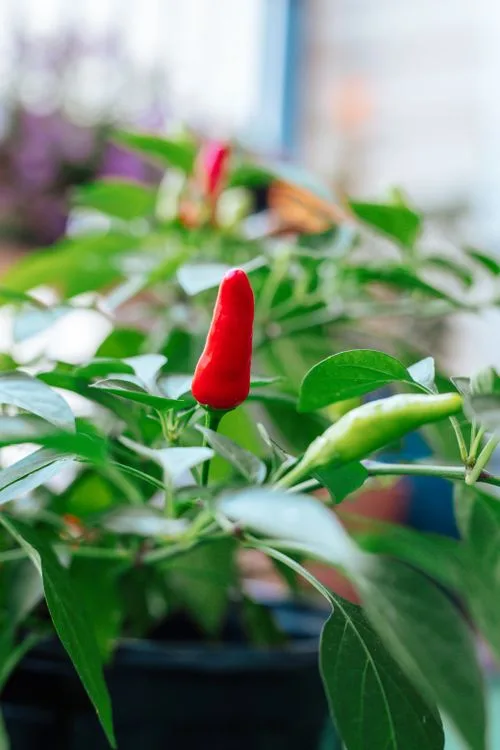
Harvest peppers by cutting, not pulling, using clean scissors or secateurs and leaving a short stem on the fruit. Pulling can break branches and damage the plant just as it is producing its next flush. Sweet peppers can be picked green, when they reach full size, or left to ripen to red, yellow, or orange for a sweeter flavour. Hot peppers are usually best left until they reach full colour and firmness, and gloves are wise when handling very hot varieties, because the oils can irritate skin and eyes.
At the end of the season, a container pepper plant will stop producing as nights cool. Pull the plant, shake the old mix into a compost heap rather than reusing it directly for next year’s peppers, and wash the pot before storing it. Reusing tired mix without refreshing it is a common cause of poor growth the following year, because the mix has lost structure and nutrients. Fresh mix, a clean pot, and a sunny spot are the cheapest fresh start a container gardener can give next season’s peppers.
Frequently Asked Questions
How Many Pepper Plants Per Pot?
One plant per pot, in a container of at least five gallons. Two plants in one pot compete for water and nutrients, and the total harvest is usually lower than a single well-grown plant.
Why Are My Container Peppers Not Fruiting?
The usual causes are too little sun, cold soil, or uneven watering. Move the pot to the sunniest spot, keep the soil evenly moist, and give the plant time after a cold spell, because flowers often follow once warmth and water settle.
Can Peppers Grow Indoors In Containers?
They can, with very bright light, such as a sunny windowsill plus a grow light, and steady warmth. Indoor plants usually produce less fruit than outdoor plants, and they need hand pollination help, such as gently shaking the plant when flowers open, because there are no pollinating insects indoors.
The Bottom Line On Container Peppers
Container peppers reward a simple formula: one plant, a pot of at least five gallons, light potting mix with drainage, full sun, warm soil, and steady water. Get those right, feed lightly once flowering starts, and support the plant before fruit weighs it down. The harvest will follow, pot by pot, all summer long. For more container growing ideas, see Archly Home’s guide to getting rid of aphids and Archly Home’s guide to filling a garden bed.