You walk out to check your roses or your tomatoes, and the new shoots are crowded with tiny soft insects, the leaves curling at the edges. It’s an annoying sight, but it’s also one of the most fixable problems in a garden. Aphids are fragile, slow, and eaten by almost everything else in the garden. You don’t need a harsh chemical to beat them. You need to catch them early, knock the numbers down, and give the garden’s own defenses a chance to finish the job.
This guide covers how to get rid of aphids step by step, from spotting them correctly to the gentle methods that actually work, and the habits that keep them from coming back. It also covers the part many guides skip: how to protect bees, ladybugs, and the other insects you actually want in your garden.
What Aphids Are And Why They Show Up
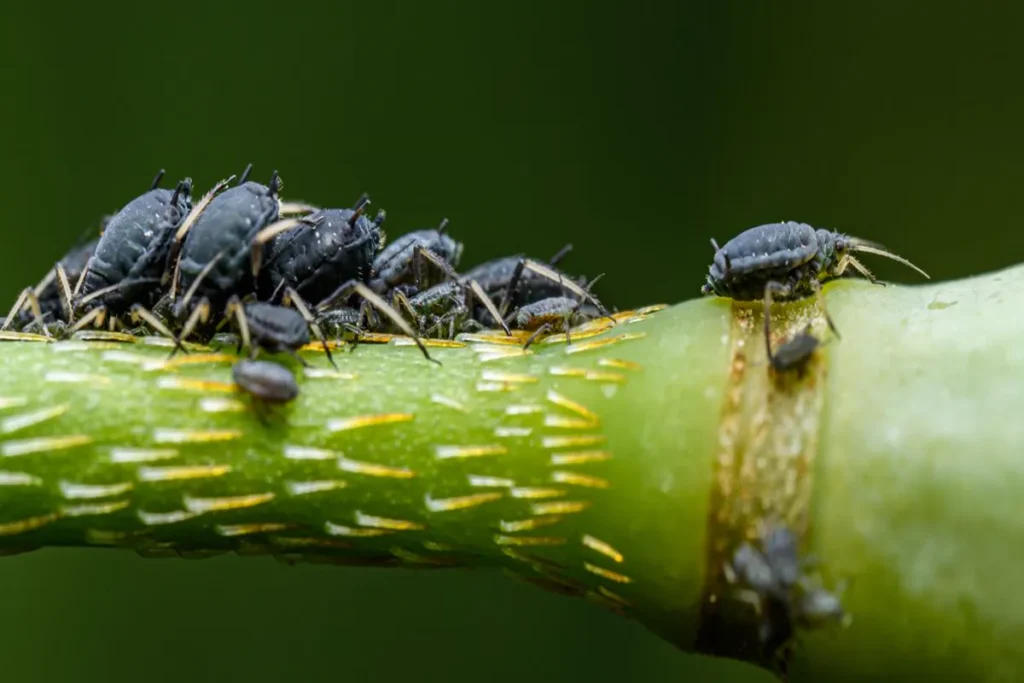
Aphids are small, soft-bodied insects that feed by piercing plant tissue and drinking sap. Most are only a few millimetres long, pear-shaped, and green, black, yellow, or pink depending on the species. They gather in clusters on tender new growth, the undersides of leaves, and flower buds, which is where the sap flows easiest.
Aphids don’t appear because your garden is dirty or badly kept. They appear because plants are growing, and aphids are built to exploit that. A small number of aphids is normal, and even useful, since they feed ladybugs, lacewings, hoverflies, and birds. The goal isn’t a garden with zero insects. It’s keeping aphid numbers low enough that your plants stay healthy.
How To Tell Aphids Apart From Other Garden Pests
Treating the wrong pest wastes time and can harm plants, so a quick check before you spray anything is worth the minute it takes.
The Insects Themselves
Look closely at the cluster. Aphids are soft, slow-moving, and usually grouped together in a crowd rather than scattered singly. Many have two tiny tube-like projections at the rear of the body, called cornicles, which help separate them from similar-looking insects. Some aphids have wings, especially when a colony gets crowded and individuals start moving to new plants. If the insects are tiny, white, and fly up in a cloud when you brush the leaf, those are more likely whiteflies than aphids. If they are covered in a thick, powdery white wax and barely move, they may be mealybugs. A magnifying glass makes this check much easier.
The Damage Signs On Leaves And Stems
Aphid feeding leaves a pattern. Young leaves may curl, twist, or pucker where aphids have been feeding underneath them. Growth can look stunted, with new shoots shorter and more bunched than usual. On vegetables, leaves may yellow in patches. These symptoms matter because they tell you the colony has been there a while. A plant with curled leaves needs more than a quick rinse; you’ll want to check the curled leaves themselves, since aphids shelter inside the curls where a spray may not reach.
The Sticky Clues Left Behind
Aphids excrete a sugary liquid called honeydew as they feed. Leaves below a colony can feel sticky, and a black, sooty-looking coating may grow on the honeydew. That black coating is sooty mold, a fungus that grows on the sugary residue rather than on the plant itself. It looks alarming but usually washes off and fades once the aphids are gone. Another clue is ants. Ants “farm” aphids for their honeydew and will guard a colony from predators. If you see a steady trail of ants marching up a stem, follow it. There’s a good chance aphids are at the top.
First Steps When You Find Aphids
Before you reach for any spray, do three things.
First, check how bad it really is. A few dozen aphids on one shoot of a large, healthy shrub is a small problem. Hundreds covering several stems, with leaves curling and growth stalling, is a bigger one. Seedlings and young transplants deserve faster action than a mature shrub, because they have less growth to spare.
Second, check the whole plant, not just the shoot you noticed first. Look under leaves and at buds, and check plants of the same type nearby.
Third, hold off on broad spraying if you can see predators already at work. Tiny, swollen, papery aphids that look like tan or bronze husks are “mummies” left behind by parasitic wasps, a sign the colony is already being controlled naturally. Spraying at that point can kill the wasps and set the problem back.
The Fastest Gentle Fix: Water
For most home gardens, a strong jet of plain water is the best first treatment, and it’s often all you need. Aphids are soft and weak. A firm spray from a garden hose knocks them off the plant, and most of the dislodged aphids don’t climb back.
Aim at the undersides of leaves and the growing tips, in the morning so foliage dries during the day. Repeat every few days: one rinse rarely ends an infestation, since survivors hidden in curled leaves rebuild the colony, but three or four rinses over a couple of weeks usually bring numbers down to a level the plant can handle.
Water works best on plants sturdy enough to take a firm spray. For delicate seedlings or soft herbs, use a gentler stream from a spray bottle, or simply wipe the aphids off with a damp cloth. On a small houseplant or a single herb pot, hand removal alone can be enough, and it’s the most precise method there is.
Soap And Oil Sprays That Work Without Harsh Chemicals
When water alone isn’t keeping up, soap and oil sprays are the next step. They work by contact, meaning they only affect the insects they actually touch, and they break down quickly, which is good news for the rest of the garden.
Insecticidal Soap
Insecticidal soap is a commercial product made specifically for plants, and it’s the safest spray option to start with. It disrupts the soft outer body of aphids and similar soft-bodied insects. Buy a product labelled for aphids and for the type of plant you’re treating, and follow the label directions exactly. That’s not a formality: the label is written for that product’s strength and for the plants it’s safe on, and homemade mixtures can burn leaves.
Spray in the cool of the morning or evening, never in hot midday sun, and cover the undersides of leaves as well as the tops. Before treating a whole plant, test the spray on a few leaves and wait a day or two to check for damage. Some plants, especially those with hairy or waxy leaves, are more sensitive than others. Repeat the treatment as the label directs, usually after several days, because new aphids hatch and arrive over time, and soap only works on contact.
Horticultural Oil And Neem Oil
Horticultural oil and neem oil smother aphids and interfere with their feeding. Neem oil, pressed from the seeds of the neem tree, also has a repellent effect that can discourage new aphids from settling. Both are sold as garden products with label instructions for dilution, timing, and the plants they’re safe for. Follow those instructions rather than a recipe from the internet, and test on a few leaves first, just as with soap.
Oils need more care than soap. Don’t apply them in hot sun or when temperatures are high, and don’t use them on stressed, drought-stricken plants. Never mix oil sprays with other treatments unless the label says it’s safe to do so. And keep oil sprays off open flowers where possible, since they can harm pollinators that land on treated blooms.
Let Nature Help: Predators And Companion Planting
The most durable aphid control doesn’t come from a bottle. It comes from a garden where predators stick around and aphids have a harder time settling in the first place.
The Predators Worth Welcoming
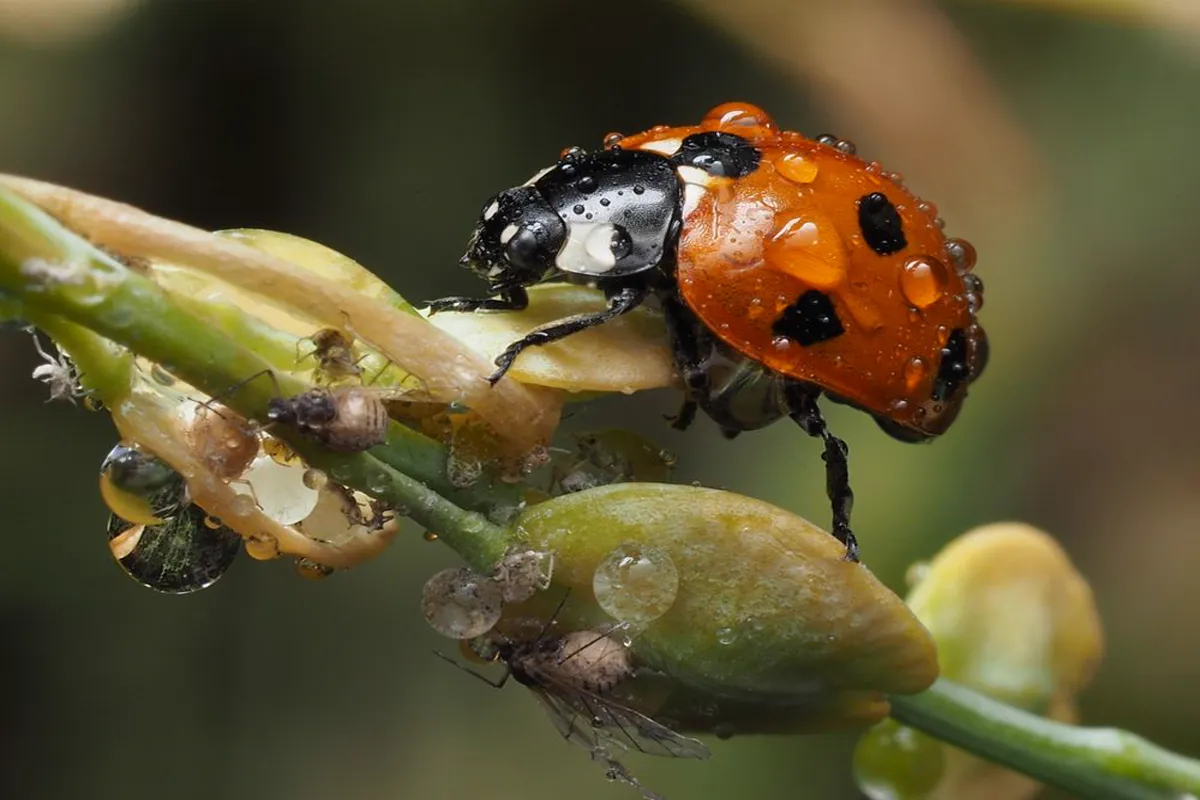
Ladybugs are the most famous aphid eaters, and both the adults and their spiky-looking larvae eat aphids in large numbers. Lacewing larvae, hoverfly larvae, and tiny parasitic wasps are just as important, and in many gardens they do more of the work. You don’t need to buy these insects. In fact, buying and releasing ladybugs outdoors often disappoints, because the released insects tend to fly away. A better approach is to attract the predators already in your area and give them a reason to stay.
Plant a mix of small, open flowers that predators feed on, such as dill, fennel, yarrow, sweet alyssum, and cosmos. Leave some areas of the garden a little wild, with leaf litter and undisturbed corners where beneficial insects can shelter. And above all, avoid broad-spectrum insecticides. A spray that kills everything also kills the predators that were about to solve your aphid problem for free.
Plants That Help Keep Aphids Away
Some plants make life harder for aphids, and interplanting them among vulnerable crops is a low-effort habit with real benefits. Strong-scented alliums such as garlic, onions, and chives are widely planted alongside vegetables for this reason. Marigolds and nasturtiums are also popular companions: nasturtiums in particular act as a trap crop, drawing aphids away from vegetables and onto themselves, where the colony is easy to spot and remove. Mint’s strong scent can help too, but grow it in a pot, since mint spreads aggressively in open soil and can take over a bed.
Companion planting won’t make a garden aphid-proof. Think of it as tilting the odds: fewer aphids arriving, more predators staying, and colonies that are easier to spot early.
Protecting Pollinators And Beneficial Insects
This is the part of aphid control that deserves the most care, because the insects you want to protect are often in the same places as the aphids.
Keep treatments off open blooms wherever you can. If a plant is in flower, treat the stems and leaves and avoid the flowers themselves, or wait until flowering has finished if the infestation allows it. Spray early in the morning or late in the evening, when bees are less active, and avoid spraying on windy days when drift can carry the spray onto neighbouring flowers.
Don’t spray a plant just because you saw a few aphids. If predators are present, or the colony is small and the plant is healthy, monitoring for a few days is often the smarter move. Every spray, even a gentle one, can affect the beneficial insects that are already working on the problem. The rule that serves a garden best is simple: use the mildest method that will do the job, and only when the plant actually needs help.
A note on food crops: if aphids are on vegetables or herbs you plan to eat, read the product label for any waiting period between spraying and harvest, and wash produce thoroughly before eating. For a severe infestation on a food crop, or one that keeps returning despite repeated treatment, your local extension service can give advice specific to your area and crops. The University Of Maryland Extension’s guide to aphids in home gardens is a good example of the kind of regional, research-based guidance worth checking before reaching for a stronger product.
When A Plant Is Beyond Saving
Most aphid problems are recoverable, but sometimes the honest answer is to remove the plant. A seedling that has stopped growing entirely, with stems blackened or leaves badly distorted and no new growth coming, may not recover even if the aphids are cleared. A heavily infested plant that is also diseased, with virus symptoms such as mottled or streaked leaves that don’t improve, is another candidate for removal, since aphids can carry plant viruses from one plant to another.
Removing one badly affected plant can protect the rest of the garden. Bag the plant and dispose of it with household waste rather than composting it, so any remaining aphids and disease don’t spread. Then check the neighbouring plants closely for the next week or two.
How To Keep Aphids From Coming Back
Prevention is mostly about plant health and regular attention, not about constant spraying.
- Inspect weekly during the growing season. A two-minute check of new growth, leaf undersides, and buds catches colonies when they’re small and easy to deal with.
- Avoid overfeeding with nitrogen. Lush, soft growth is aphid food. Feed plants enough to grow well, not so much that they push out weak, sappy shoots.
- Water consistently. Drought-stressed plants are more vulnerable to pests, and steady watering keeps growth firm rather than flush-and-crash.
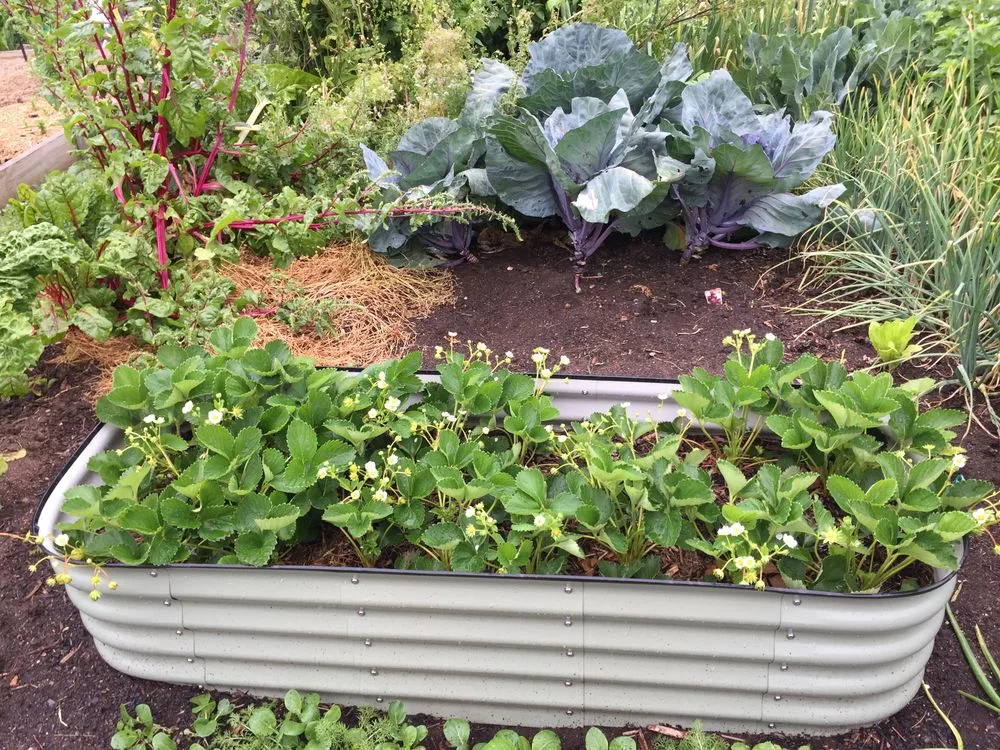
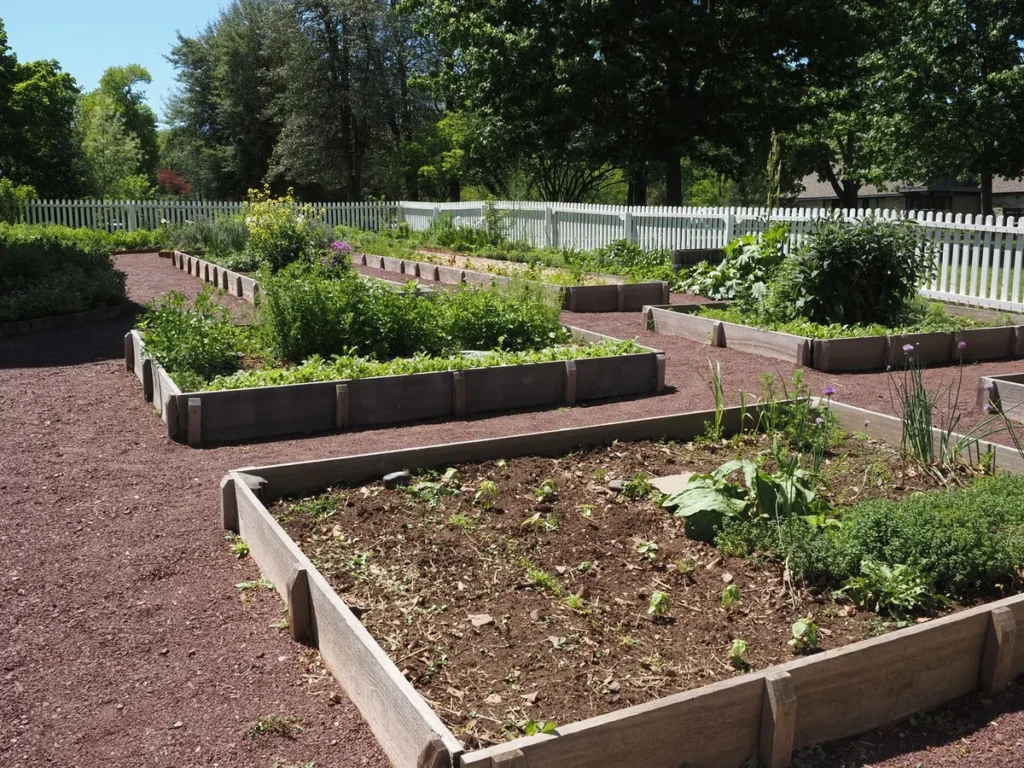
- Keep beds healthy. Plants growing in rich, living soil cope with pests better. A well-filled, compost-rich bed gives roots the steady nutrition that supports strong growth, which is one reason good bed preparation matters — our guide on how to fill a garden bed covers the layering that builds that kind of soil.
- Clean up at season’s end. Remove spent annuals and fallen plant debris where aphids and their eggs can overwinter.
- Rotate and diversify. Don’t plant the same susceptible crop in the same spot season after season, and mix plant types so a single aphid species can’t sweep through the whole bed.
- Use row covers on vulnerable seedlings. A lightweight cover keeps winged aphids off young plants while letting light and water through. Remember to remove covers when plants need pollinators.

Frequently Asked Questions
How Fast Can Aphids Damage A Plant?
A small colony on a mature plant usually causes little harm, and the plant keeps growing. Damage becomes serious when numbers are high, when the plant is young or stressed, or when aphids transmit a virus. That’s why early action on seedlings matters more than on an established shrub, and why a few aphids on a healthy rose are not an emergency.
Do Aphids Bite People Or Pets?
No. Aphids feed on plant sap, not on people or animals. They won’t bite you, your children, or your pets, and they’re not a household pest in the way ants or flies can be. If a few wander indoors on cut flowers or a houseplant, they’re a nuisance, not a danger.
Will Aphids Come Back After I Spray?
Possibly, and that’s normal. Winged aphids arrive from elsewhere, and eggs or hidden individuals can restart a colony. Aphid control is a routine, not a one-time event. Weekly checks and a repeat of the gentlest effective treatment are usually enough to keep numbers down for the rest of the season.
Should I Use A Strong Insecticide For Aphids?
For most home gardens, no. Aphids are among the easiest garden pests to control with water, soap, or oil, and strong broad-spectrum insecticides kill the predators and pollinators that keep future outbreaks in check. If gentle methods have genuinely failed on a valuable plant, talk to your local extension service before choosing a stronger product, and follow its label exactly.
A Calmer Way To Handle Aphids
Aphids look alarming, but they are one of the few garden problems where the gentlest approach is also the most effective one. Start with water, step up to soap or oil only if you need to, and let the garden’s predators do their share. Check plants weekly, keep them well fed and watered without pushing soft, overfed growth, and protect the flowers and the beneficial insects while you treat.
Your garden doesn’t need to be insect-free to be healthy. It needs balance: enough predators to keep pests in check, enough plant vigor to shrug off a small colony, and a gardener who notices problems early. Aphids give you plenty of chances to notice.