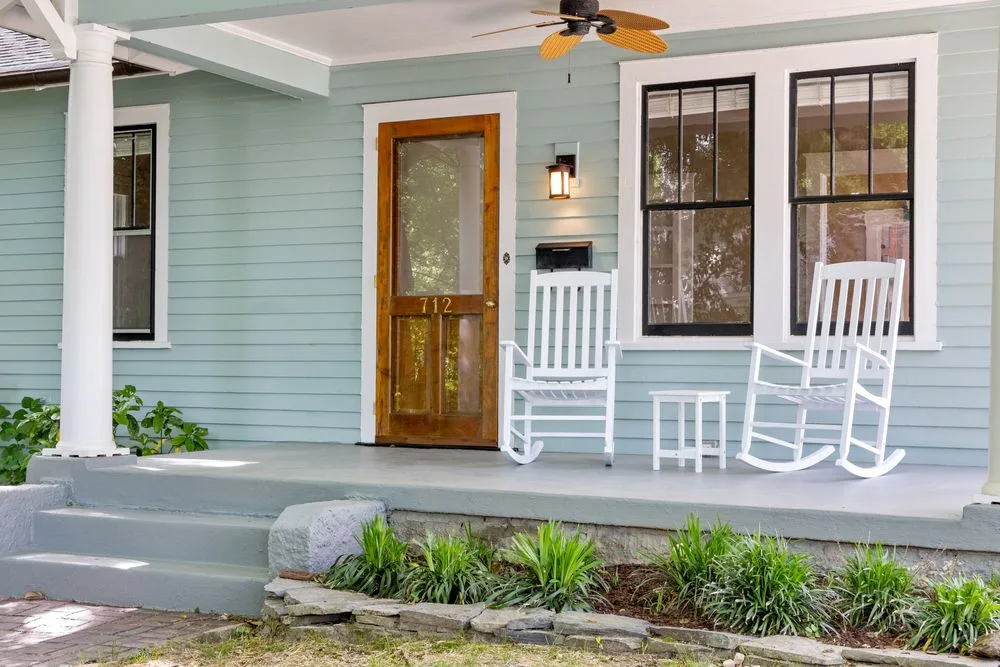

A porch is the one part of a house that doesn’t have to choose between inside and outside. It’s where morning coffee tastes better, where neighbors stop for a chat, and where a rainy afternoon feels like an event rather than a washout. The best porch ideas don’t start with a shopping list — they start with a simple question: what do you actually want to do out here?
Some porches are for sitting quietly with a book. Others are for family dinners, for watching the street go by, or for giving the kids a shaded place to play. Once you know the job, everything else — furniture, lighting, plants, shade — falls into place. This guide covers front, back, screened, wraparound, and tiny porches, with practical ideas at every budget.
Quick Answer
- Start with the job, not the furniture. A porch for morning coffee needs two chairs and a small table; one for entertaining needs flexible seating and room to move.
- Comfort comes from three things: shade you can control, seating you can sit in for an hour without fidgeting, and lighting warm enough to linger after dark.
- A rug, a plant, and a light source transform any porch instantly. If you’re starting from a bare slab, those three purchases change the space more than anything else.
- Scale everything to the porch. Oversized sectionals swallow small porches; dainty bistro sets look lost on a deep wraparound veranda.
- Budget in tiers. Paint, a new doormat, and planters refresh a porch for very little; a ceiling fan, an outdoor rug, and real furniture make it a daily habit.
What Kind Of Porch Do You Have — And What Suits It?
Not all porches behave the same way, and the best porch ideas respect what the space already is.
Front porches are public-facing: for curb appeal, greeting guests, and watching the world go by. Seating here tends to be classic and tidy — rocking chairs, a porch swing, a bench. Keep the look intentional from the street, since this porch shapes the house’s first impression — the same reason our guide to front porch ideas leans on symmetry, planters, and a welcoming path to the door.
Back porches are private, and that’s their superpower. This is where you can relax properly: a deeper sofa, a dining table, a grill nearby. Back porches can be messier in a good way — cushions left out, a stack of books — because nobody judges them from the sidewalk.
Screened porches sit in between. Screens keep out bugs and most weather, so you can use softer furnishings and leave things out longer. They’re the natural home of screened porch ideas like indoor-outdoor rugs and ceiling fans — but they still need materials that handle humidity and sideways rain.
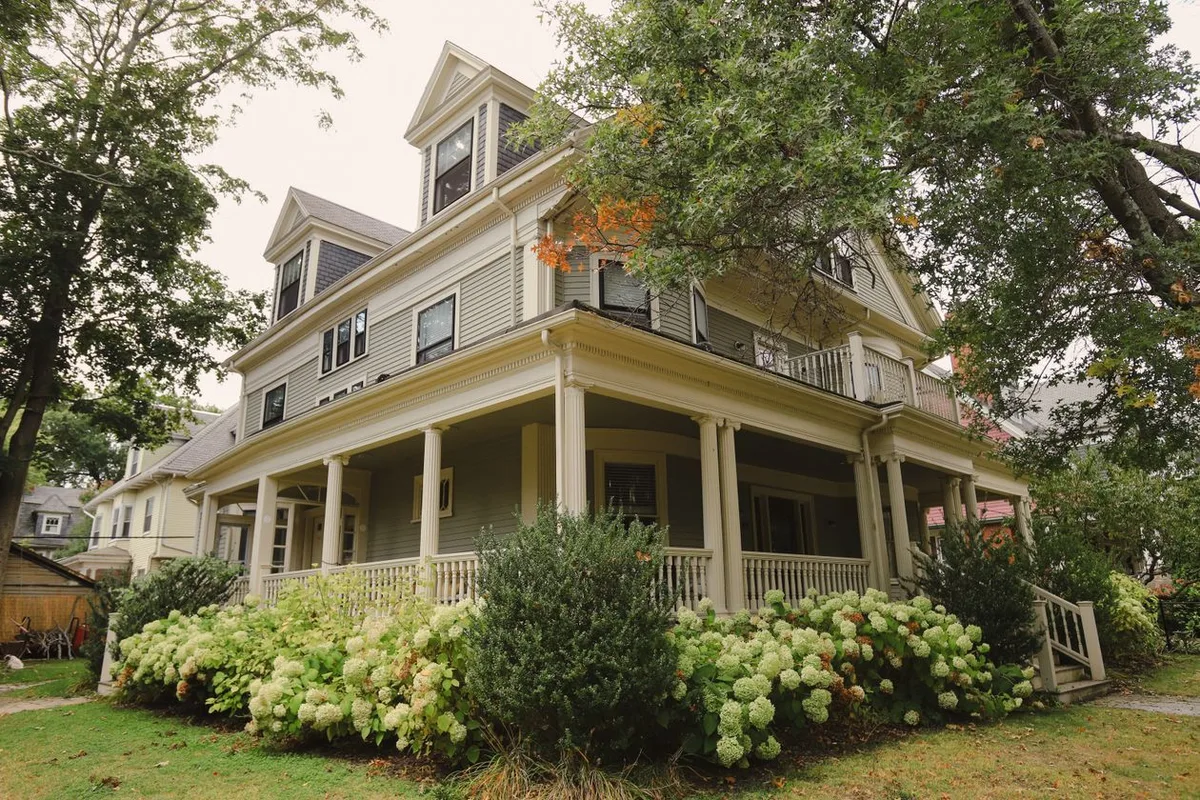
Wraparound porches reward zoning: a sitting area near the front door, a dining spot around the side, maybe a quiet chair at the far end. The classic verandas on farmhouse house plans work because they treat the porch as small outdoor rooms, not one long corridor.
Small porches and stoops need the most discipline. One good chair beats two cramped ones, and a wall-mounted lantern beats a floor lamp.
How Do You Furnish A Porch That Gets Used Every Day?
The porches that get used daily share one trait: the furniture is comfortable enough that sitting down feels like a reward, not a compromise.
Start with seating you can sink into. Deep-seated chairs with real cushions — not thin pads that slide off metal frames — turn a five-minute sit into an hour. Rocking chairs and porch swings earn their place because gentle motion is genuinely relaxing.
Add a surface for every seat. Nobody enjoys holding a coffee cup for an hour. A small side table beside each chair, or a low coffee table in front of a sofa, is the difference between a porch that looks good and one that works. Outdoor side tables needn’t be expensive — a sturdy stool or a weatherproof garden table does the job.
Choose materials for your climate. In rainy regions, teak, cedar, powder-coated aluminum, and all-weather wicker hold up far better than untreated wood or plain steel, which rusts and stains. In hot, sunny climates, look for UV-resistant fabrics and washable cushion covers — sun-bleached, flattened cushions are the fastest way to make a porch look tired.
Leave room to move. Keep the main path — from the steps to the door — completely clear, and leave enough space to pull a chair out without scraping a railing. On a narrow porch, two chairs usually beat a sofa because they can angle toward the view instead of blocking it.

What Lighting Makes A Porch Feel Magical After Dark?
Daylight does most of the work on a porch, but lighting decides whether anyone stays past sunset — and it’s one of the cheapest upgrades you can make.
Start with the overhead light. Swap in a warm-white LED (around 2700K); if the fixture is dated, a simple lantern-style pendant in a finish matching your hardware instantly sharpens the space. A ceiling fan with a light kit does double duty, and on a screened porch it’s practically essential: moving air keeps the space comfortable and discourages mosquitoes.
Layer in low light. String lights along the ceiling or railing cast a soft, even glow. Battery lanterns on side tables, candles in hurricane holders, and solar path lights along the steps add layers without any wiring. Aim for several small pools of warm light rather than one harsh overhead glare.
How Do Plants, Shade, And Flooring Change A Porch?
Plants are the fastest way to make a porch feel alive. Tall planters flanking the steps anchor the space, while hanging baskets add color at eye level without taking floor space. For sunny porches, geraniums, lantana, and ornamental grasses hold up to heat; for shaded porches, ferns and trailing ivy thrive with less fuss. Buy fewer, bigger plants — a single lush fern in a substantial pot looks designed; ten tiny pots look like a clearance table.
Shade is what makes a porch usable in summer. A roofed porch is halfway there, but west-facing porches still catch brutal afternoon sun. Outdoor curtains on a rod block low sun and add privacy; roller shades do the same job more tidily. For open porches, a large cantilever umbrella or shade sail gives adjustable cover, though both need to come down in high winds.
Flooring sets the tone underfoot. A painted wood floor in a soft, pale color brightens a dark porch, though it needs repainting every few years. An outdoor rug over concrete or wood instantly defines a sitting area — just choose one rated for outdoor use so it dries after rain.
What Are The Best Front Porch Ideas For Small Houses?
Small porches reward editing. Front porch ideas for small houses work best when every piece earns its place and the walking path stays clear.
- One statement chair instead of a set. A single rocking chair or compact Adirondack chair, angled toward the view, gives you a place to sit without blocking the door.
- Go vertical. Wall-mounted planters, a hanging basket, and a lantern on a hook add life at eye level while the floor stays open.
- Use a slim bench or folding bistro set. A narrow bench doubles as seating and a spot to set down groceries; a folding set tucks away when you need the space.
- Keep the palette light. Pale cushions, a light rug, and white or natural planters make a small porch feel airier.
- Borrow the yard. If the porch itself is tiny, place a chair and small table just off the steps on a gravel or stone pad — it reads as an extension of the porch.
The same discipline helps compact entries on ranch house plans, where stoops are often narrow: decorate the wall and steps, keep the path clear, and let one good chair do the talking.
What About Screened Porch Ideas For Year-Round Use?
Screened porch ideas shine because the screens buy you freedom — freedom from bugs, wind-blown leaves, and the worry that every cushion will be soaked by the first storm. That freedom lets you treat the space more like a room.
Furnish it like a living room, with outdoor-tough materials. An outdoor sofa, a coffee table, and a rug turn a screened porch into a genuine second living room. Stick to outdoor-rated fabrics anyway, since humidity and the occasional storm still get in.
Add a ceiling fan and a light you can dim. Airflow is the unsung hero of a screened porch: a fan keeps the space comfortable on still evenings and helps keep mosquitoes at bay. A dimmable light lets the same porch work for a bright family dinner and a quiet evening read.
Extend the season. A portable electric heater or a fire table rated for covered outdoor use can stretch a screened porch well into the cooler months — just follow the manufacturer’s clearance and ventilation guidance, and never use an unvented heater in an enclosed space. Heavy outdoor curtains, drawn across the screens on chilly evenings, cut the wind and make the space feel cocoon-like. If you’re planning a bigger upgrade, the porch guides from This Old House are a solid reference for structure and materials before you commit to a build.
How Much Should You Budget? Porch Ideas At Three Price Points
Porch decorating ideas on a budget don’t have to look budget. The trick is spending where it shows and saving where it doesn’t.
| Tier | Budget feel | What it buys | Best for |
|---|---|---|---|
| Refresh | Very little | Paint touch-ups, doormat, planters, string lights | A porch that looks tired but has good bones |
| Comfort | Mid-range | Outdoor rug, quality cushions, ceiling fan, side tables | Making a porch a daily habit |
| Transform | Larger project | New furniture set, curtains or shades, porch swing, flooring | Turning an unused porch into the home’s favorite room |
Frequently Asked Questions
What Is The Best Furniture For A Small Front Porch?
A single comfortable chair — a rocking chair, an Adirondack chair, or a compact armchair — plus a small side table is usually the best setup. It gives you a real place to sit without blocking the path to the door. If you regularly sit out with someone else, a slim bench or folding bistro set works well, since both can be moved or folded away.
How Do I Keep A Screened Porch Comfortable In Summer?
A ceiling fan is the single most effective upgrade: moving air cools the space and discourages mosquitoes. Add curtains or shades on the sunniest side to block low afternoon sun, and choose light-colored, breathable cushion fabrics. On the hottest days the porch will still be warmer than indoors, but shade plus airflow makes it pleasant for most of the summer.
How Can I Decorate My Porch On A Budget?
Start with cleaning: wash the floor, clean the fixtures, and trim anything overgrowing the steps. Then add a doormat, one or two planters with healthy plants, and a string of lights — those three purchases transform a bare porch for very little. Repainting the floor or door, swapping cushion covers, and painting plain clay pots all stretch a small budget further.
What Plants Work Best In Porch Planters?
For sunny porches, geraniums, lantana, petunias, and ornamental grasses are reliable and forgiving. For shaded porches, ferns, trailing ivy, and begonias do well with less light. For year-round structure, boxwood or other evergreens stay green even in winter. Match the plant to the light your porch actually gets, and use pots with drainage holes.
Do I Need A Rug On My Porch?
Not always, but a rug is one of the easiest ways to make a porch feel like a room rather than a slab. It defines the sitting area and adds warmth underfoot. Choose an outdoor-rated rug so it dries after rain, and size it so the front legs of your chairs sit on it. On a tiny porch, a doormat and planters can do the work instead.
Conclusion
The porches people love aren’t the ones with the most furniture — they’re the ones with a clear purpose and a few comfortable pieces that invite you to stay. Figure out what your porch is for, give it shade, seating you can sink into, and warm light for the evenings, and the rest is just seasonal dressing. Whether it’s a deep wraparound veranda, a screened room off the back, or a stoop barely wider than the door, the same porch ideas apply: keep the path clear, scale the furniture to the space, and spend where your body actually notices. Start with a chair, a table, and a plant.