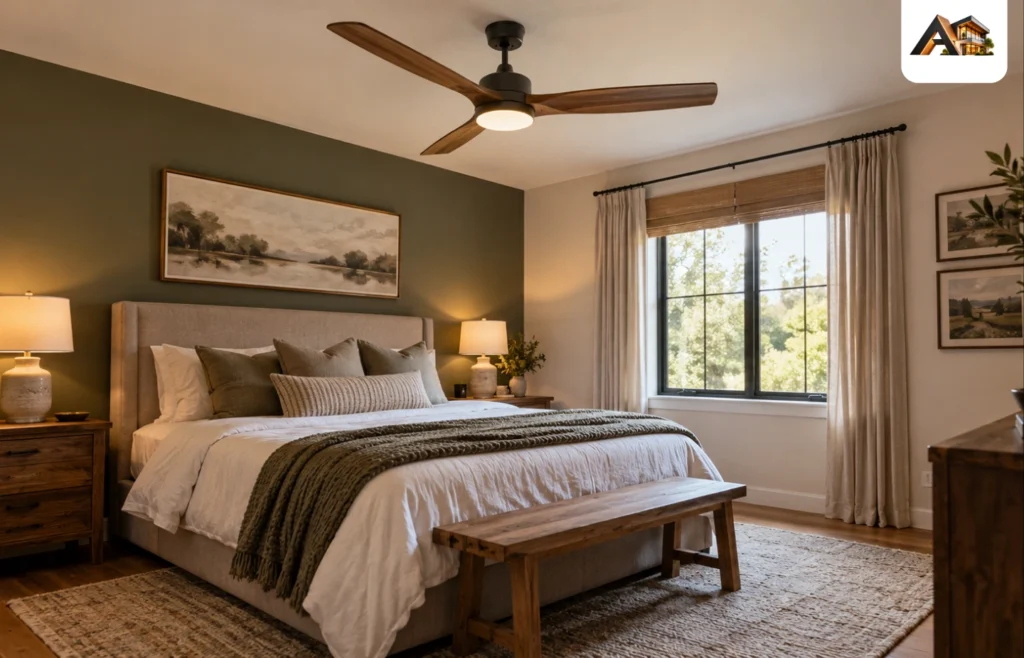

Not long ago, hiring an interior designer meant someone coming to your house, tape measure in hand, flipping through fabric samples at your kitchen table. That still happens, and for some projects it’s still the best way. But there’s now a more flexible option: virtual interior design, often called e-design.
In simple terms, you work with a designer entirely online. You share photos and measurements, talk over video calls and messages, and receive a plan and shopping list you can put together yourself, at your own pace. No one needs to live in your city, and you don’t need a full, done-for-you renovation to get professional help.
That convenience is why so many homeowners are curious — and why many feel unsure. This guide answers those questions: what virtual interior design is, how it works, what you get, who it suits, how to prepare, and the warning signs to walk away from.
Quick Answer
- What is it? A designer creates a room plan remotely from your photos, measurements, and tastes, delivered as a layout, mood board, shopping list, and sometimes 3D views.
- How does it work? You start with a questionnaire and an online interior design consultation, share photos and measurements, review a concept, request revisions, and get a final shopping list.
- What do you get? A finished plan and buying links — but usually not installation, painting, or someone on site to move furniture.
- Who suits it best? People comfortable shopping online, happy to assemble and style things themselves, and decorating one or two rooms.
- Watch for: vague deliverables, no revision policy, no questions about your measurements or budget, and pressure to buy from one retailer.
What Is Virtual Interior Design?
Virtual interior design — also called e-design — is professional design help delivered remotely. The designer never visits your home; you work together by email, messaging, video calls, and shared design boards.
That doesn’t mean a computer spits out a generic room. With proper virtual interior design services, a real designer still studies your space, your taste, and your daily life, and still decides where the sofa goes, which rug size fits, and which pieces deserve more of your budget.
It’s also not a free room-planner app. Those are handy for doodling a layout, but they won’t ask how you live, challenge a bad idea, or notice that your reading corner gets blinding afternoon sun.
Before briefing anyone, it helps to know what interior design actually covers. Our guide on what interior architecture is and how it shapes your home separates a space’s bones — layout, light, and flow — from the colour and furniture layer e-design usually focuses on.
How Does Virtual Interior Design Work?
So, how does virtual interior design work in practice? Steps vary, but most services follow a similar rhythm.
Step 1: Questionnaire and first consultation. You describe the room, who uses it, what bothers you about it, and what you want it to feel like.
Step 2: Photos and measurements. This step makes or breaks the project. You’ll be asked for wide photos of each wall, a short video walk-through, and a simple floor plan: wall lengths, window and door positions, ceiling height, and the size of furniture you’re keeping. Don’t guess — a sofa a few inches too long for its wall is far harder for a remote designer to catch.
Step 3: Concept and mood board. Next comes a first concept: a colour palette, reference images, and a general direction. It’s deliberately broad, and it’s the cheapest stage to change your mind. Say what you don’t like, not just what you do — designers learn as much from a firm “no” as from a favourite photo.
Step 4: Room layout. The designer then draws a floor plan showing where each piece goes, checking walkways, sightlines, and practical details: can wardrobe doors open fully, does the dining chair clear the sideboard, is there somewhere sensible for a lamp? If you’re rethinking a kitchen or dining area, getting big pieces right first helps everything else — our guide to kitchen island sizes shows how a few inches can change how a space works.
Step 5: Shopping list and styling notes. The final package usually includes pieces with links, paint colours, and notes on pulling it together: hang art at this height, layer cushions in this order, leave this wall bare. Some packages add 3D renders, which help you picture scale and colour.
Step 6: Revisions and handover. Most services include one or two revision rounds. Use them, and ask awkward questions now: will this rug survive a dog, is there a cheaper lamp, what if the chair is out of stock? Then the project hands over to you: you order, assemble, hang, and style at your own pace.
What Do You Get With Virtual Design Vs. A Traditional Designer?
The honest answer: you get the thinking, but not the hands. A traditional designer visits your home, measures everything, sources samples you can touch, coordinates tradespeople, and may be there on installation day.
A virtual designer gives you a plan you execute yourself: layout, mood board, shopping list, and styling guidance, sometimes with 3D views. It usually excludes ordering, booking trades, supervising a build, or on-site styling. If your project needs someone to argue with a contractor about a wall coming down, e-design isn’t the right tool.
| Virtual interior design | Traditional in-person design | |
|---|---|---|
| Virtual interior design | Online: photos, video calls, messages | In your home, with site visits |
| Best for | One or two rooms, decorating and furnishing | Full renovations, trade-heavy work |
| You receive | Layout, mood board, shopping list, sometimes 3D views | Plan plus sourcing, coordination, often installation |
| Buying and styling | Usually you, at your own pace | Often the designer or their team |
Who Is Virtual Interior Design Best For — And Who Should Skip It?
You may be a great fit if you enjoy ordering online, don’t mind assembling flat-pack furniture or hanging a shelf, and mainly need confidence: someone to settle the rug size, end the colour argument, and stop you buying a third almost-right armchair.
Think twice, though, if you hate online shopping, dread measuring a room, or want someone else to take full responsibility for the finished result. Also skip it — or pair it with local help — if your project moves walls, rewires, or risks an expensive mistake from a wrong measurement.
How Do You Prepare For A Virtual Interior Design Project?
Good preparation is the closest thing to a guarantee in e-design. The designer can only work with what you give them, so an hour spent now pays off in every later decision.
Take honest photos. Shoot each wall straight on, plus wide shots from the doorway. Open curtains, turn lights on, and don’t hide everyday life — the dog bed, the book stack, the chair everyone dumps bags on.
Measure twice, write it down once. Record wall lengths, ceiling height, window widths and sill heights, door swings, and kept furniture. Sketch a rough floor plan, even as boxes on graph paper, and photograph it. Flag awkward features early: a sloping ceiling, a badly placed radiator, a door that hits the wardrobe.
Note your budget and non-negotiables. You don’t need a spreadsheet, just a realistic overall spend, what you’d splurge versus save on, and your deal-breakers: the inherited sideboard that stays, the colour you can’t stand, the allergy ruling out certain fabrics. Write them down before the first call.
Collect inspiration with notes. A folder of saved rooms helps; a line under each — “love the calm colours, not the metal bed frame” — helps far more. It teaches the designer your taste faster than any style quiz.

Red Flags To Watch For Before You Hire
Most virtual interior design services are genuine, but a few sellers promise more than they deliver. Watch for these signs:
No questions about your room. If checkout asks for no photos, measurements, or questions about how you use the space, it’s selling a template, not a design. Walk away.
Vague deliverables. “A beautiful room design” is not a deliverable. Before paying, know exactly what you’ll get: layout options, whether 3D views are included, revision rounds, and alternatives if items sell out.
No revision policy. Every real project needs at least one round of changes. If revisions cost extra from the first tweak, or aren’t mentioned at all, expect frustration.
Pressure to buy from one retailer. Favourite suppliers are fine, but if every link points to one store, or you’re pushed toward pieces outside your budget, ask why. Good designers explain choices and offer alternatives.
Unrealistic promises. Beware anyone promising a designer room overnight, or claiming colours will match your screen exactly. Screens and fabrics vary; honest designers say so and suggest ordering swatches for big-ticket items first.
A useful credibility check is whether a designer is linked to a recognised professional body. For kitchen and bath work, the National Kitchen & Bath Association sets professional standards and education for the industry
DIY Tools Vs. Hiring A Virtual Designer: Which Route Makes Sense?
You don’t strictly need to hire anyone. Free and low-cost room planners let you drag furniture around a floor plan, paint visualisers test colours on a photo of your room, and mood-board apps collect fabrics and furniture in one place. For a confident decorator with a clear vision, that’s often enough for a small refresh: new bedding, art, and lighting.
A designer earns their fee on decisions you can’t easily Google: the rug size that grounds a seating area, the curtain drop that makes a low ceiling feel taller, or why a room feels cold despite warm paint (often the lighting temperature, not the paint). They also prevent expensive mistakes — wrong sofa scale, a table blocking a walkway — and give you a coherent plan, so you don’t end up with five lovely things that don’t belong together.
At styling stage, small details matter — our guide to dining table decor shows how finishing touches pull a room together.

Frequently Asked Questions
How Does Virtual Interior Design Work If The Designer Never Visits My Home?
Through the information you provide: photos and a video of the room, accurate measurements and a rough floor plan, and a questionnaire about taste, lifestyle, and budget. The designer creates a layout, mood board, and shopping list remotely; you review it, request revisions, then buy and arrange pieces yourself.
What Do Virtual Interior Design Services Usually Include?
Usually a room layout, a mood board or colour palette, and a shopping list with links, plus styling notes. Some include 3D renders or a short video walk-through. They usually exclude ordering, delivery management, painting, installation, and on-site styling — check the deliverables list before paying, as this varies widely.
Is Virtual Interior Design Cheaper Than Hiring A Local Designer?
Generally yes, since there’s no travel, site visits, or installation in the fee — but it’s not quite like-for-like, because you do the buying and styling. Think of it as paying for the plan, not a done-for-you room. If you need trades coordinated or everything installed, an in-person designer may be better value despite the higher fee.
How Long Does A Virtual Interior Design Project Usually Take?
A single room often goes from questionnaire to final plan over a few weeks, depending on how fast you send photos and feedback and how many revisions are included. Don’t rush the concept stage: agreeing direction early saves more time than it costs.
Can I Use Virtual Interior Design For Just One Room?
Absolutely — one room is the ideal start. A single bedroom, living room, or home office lets you test the process, see if you enjoy working remotely with a designer, and learn how much guidance you want.
The Bottom Line
Virtual interior design isn’t a shortcut to a designer home with no effort — it’s a different division of labour. The designer does the thinking: layout, palette, proportions, shopping list. You do the doing: measuring, ordering, assembling, styling. When both sides take their half seriously — honest photos and measurements from you, clear deliverables and real revisions from the designer — the result can genuinely feel designed, without the cost or scheduling of a full in-person service.
Start small, prepare properly, check what’s included before you pay, and order swatches for anything big or expensive.