A driveway takes up more of your front yard than almost any other feature, yet it is often the last thing homeowners plan. Get it right, and the whole front of the house looks intentional, tidy, and welcoming. Get it wrong, and even a beautiful house can look unfinished, with cracked surfaces, puddles after rain, or a shape that makes parking a daily frustration.
Good driveway ideas are not about choosing the most expensive material. They are about matching the surface, layout, and planting to your house style, your climate, your budget, and the way you actually use the space. A quiet suburban home with one car has different needs from a busy family home with two cars, regular visitors, and a steep approach. This guide walks through those choices in plain terms, so you can compare options, spot where money is well spent, and avoid the mistakes that lead to early repairs.
What Makes A Good Driveway
Before comparing materials, it helps to know what you are judging them against. A good driveway does several jobs at once, and a design that only looks good in a photograph will disappoint if it fails at the practical ones.
First, it should feel easy to use. Cars need enough width to open doors comfortably, a turning area or a straight run that does not force awkward reversing, and a surface that stays stable under weight. A narrow drive with soft edges quickly shows wear, especially where tires run every day.
Second, it should suit the house. A crisp, large-format paver pattern can look sharp beside a modern home but out of place in front of a cottage, where brick edging or a softer gravel finish may sit more naturally. The driveway should read as part of the house, not as a separate project dropped into the front yard.
Third, it should handle water. Rain needs somewhere sensible to go, away from the house and without pooling on the surface. This is where slope, edging, and permeable options matter, and where a qualified local contractor is worth consulting, especially on sloped or heavily shaded plots.
Finally, it should age gracefully. Every material needs some care, but the right choice for your climate and maintenance appetite will still look good in ten years, not just on installation day. That long view is usually where the real savings are.
Driveway Materials Compared
The material decision shapes the look, the cost, and the upkeep more than any other choice. Below is a quick comparison, followed by a closer look at each option. Costs are approximate published contractor-rate ranges, and real quotes vary with driveway size, ground preparation, pattern complexity, edging, drainage work, and local labor rates. Always get local quotes before budgeting.
| Material | Typical Look | Approximate Installed Cost Per Square Foot | Ongoing Care |
|---|---|---|---|
| Concrete | Clean, smooth, or patterned | $4–$15 | Occasional sealing or resurfacing |
| Asphalt | Dark, smooth, uniform | $7–$13 | Sealing every few years |
| Pavers | Patterned, textured, premium | $8–$25 | Joint sand and occasional re-leveling |
| Gravel | Natural, relaxed, rustic | $1.25–$3 | Raking and periodic topping up |
Concrete Driveway Ideas
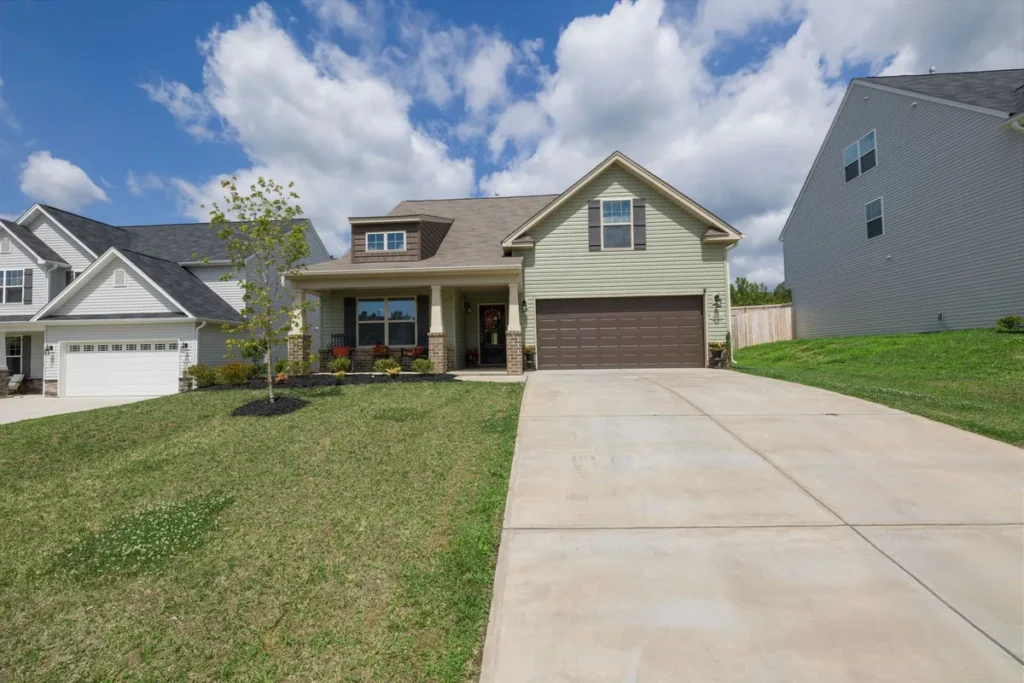
Concrete driveway ideas remain popular for a simple reason: concrete is durable, versatile, and easy to keep looking clean. A plain poured slab gives a tidy, modern finish, while stamped or colored concrete can echo stone, brick, or slate at a lower cost than the real thing. Exposed aggregate, where the top layer reveals small stones, adds texture and grip and hides minor marks better than a perfectly smooth finish.
Concrete suits most house styles, and it works well for straight, rectangular drives where a clean line matters. Its main weakness is cracking. Ground movement, tree roots, and freeze-thaw cycles can all cause cracks over time, so control joints, proper ground preparation, and a sound base matter far more than the surface finish alone. Sealing helps protect against stains and moisture, and faded or stained concrete can often be refreshed without full replacement.
Paver Driveway Designs
Paver driveway designs offer the widest range of patterns, from classic herringbone and basketweave to large, clean slabs for a modern look. Concrete pavers are the most common choice, while clay brick and natural stone sit at the premium end. Because pavers are individual units, a damaged section can usually be lifted and replaced without redoing the whole drive, which is a genuine long-term advantage.
Pavers also handle drainage better than a solid slab when they are installed as a permeable system, since water can pass through the joints into a prepared stone base. That said, paver installation is labor-intensive, which is why costs run higher. Joints need occasional attention too, with sand replenished and weeds kept in check. For homeowners who want a driveway that reads as a designed feature rather than just a parking surface, pavers are often worth the extra investment, especially when used as a border or apron rather than across the entire drive.
Gravel Driveway Ideas
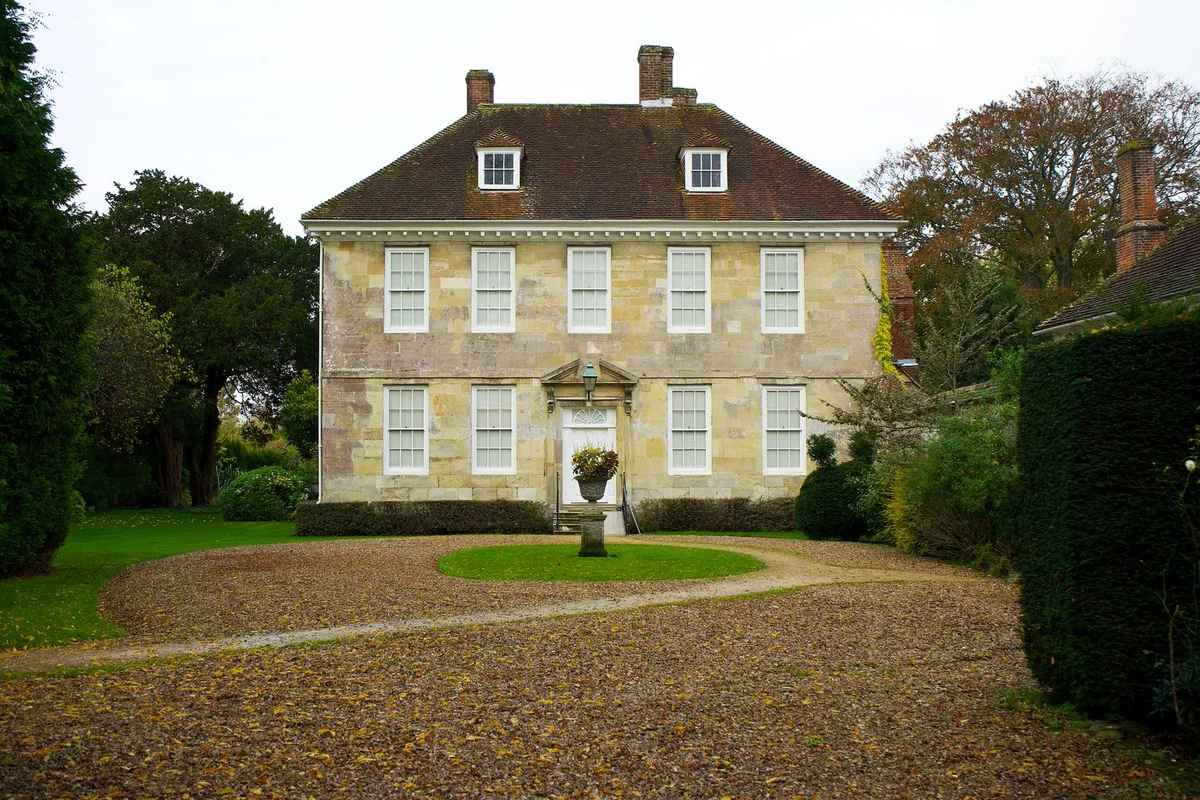
Gravel driveway ideas suit relaxed, rural, and cottage-style homes, and they are the most budget-friendly way to cover a large area. Crushed stone compacts into a firm surface, drains naturally, and can be refreshed by topping up rather than replacing. A gravel drive also softens the look of a front yard, especially when edged with stone, brick, or planting.
The trade-offs are real, though. Gravel migrates, so it needs edging to stay in place, and it needs raking to stay even. It is less comfortable for walking in heels or wheeling bins and suitcases, and loose stones can scatter onto paths and lawns. On steep slopes, gravel can wash downhill in heavy rain. A firm border, a well-compacted base, and a practical attitude to light maintenance make the difference between a charming gravel drive and a messy one.
Asphalt Driveway Ideas
Asphalt gives a smooth, dark, uniform surface at a moderate cost, and it can be installed relatively quickly. It flexes slightly with ground movement, which helps in colder climates, and it suits long, straight drives where a clean, simple finish is the goal. A fresh asphalt drive with crisp edges can look surprisingly smart, particularly beside traditional or ranch-style homes.
Its upkeep is the catch. Asphalt needs periodic sealing to protect against sun, water, and oil, and it can soften in extreme heat, showing tire marks or dents. Cracks should be filled early, before water gets underneath and widens them. For homeowners who want a straightforward, functional drive and are happy to schedule sealing every few years, asphalt is a solid, practical choice.
Modern Driveway Ideas
Modern driveway ideas tend to favor restraint: large-format pavers or smooth concrete, a limited color palette, clean straight edges, and planting used sparingly for contrast. Ribbon driveways, where two paved strips carry the tires and grass or gravel fills the middle, are a classic modern trick that reduces the paved area, improves drainage, and softens the front yard. Mixed materials work well here too, such as a concrete drive with a paver border, or gravel panels framed by stone edging.
The key to a modern look is consistency. Pick one or two materials, repeat them at the entrance and along the path, and let the house itself stay the focus. Too many competing textures in a small front yard quickly look busy rather than premium.
Design And Layout Ideas
Material gets the attention, but layout decides whether the driveway is pleasant to live with. Start by watching how you actually arrive, park, and leave. A layout that follows those movements will feel natural; one that fights them will annoy you daily.
Width matters more than most people expect. A single-car drive needs enough room to open doors without stepping onto lawn or planting, and a double drive should allow two cars to sit side by side without squeezing. Curves need extra width so cars can turn without running onto edges, and a long drive benefits from a turning area near the garage or house, which can also double as guest parking. If space is tight, a straight, simple layout usually works better than a forced curve that eats into planting beds.
Shape can also change the character of the front yard. A straight drive is efficient and suits formal, symmetrical houses. A gentle curve feels softer and works well on larger plots, especially when it follows existing trees or planting. A circular drive makes a grand statement and suits larger homes, but it needs generous space to avoid looking cramped, and it adds paved area that must be maintained. Whatever shape you choose, keep the entrance clear and visible from the street, so visitors can find the front door without guessing.
The apron, where the driveway meets the street or sidewalk, deserves attention too. A slightly wider apron, a contrasting border, or a band of pavers can mark the transition and make the whole drive look finished. It is also the area that takes the most wear from turning tires, so a durable finish there pays off.
Lighting belongs in the layout conversation, not as an afterthought. Low path lights along the edges, a well-lit entrance, and soft light at the garage improve safety and make the driveway look inviting after dark. For broader outdoor lighting ideas, see our guide to backyard lighting ideas.
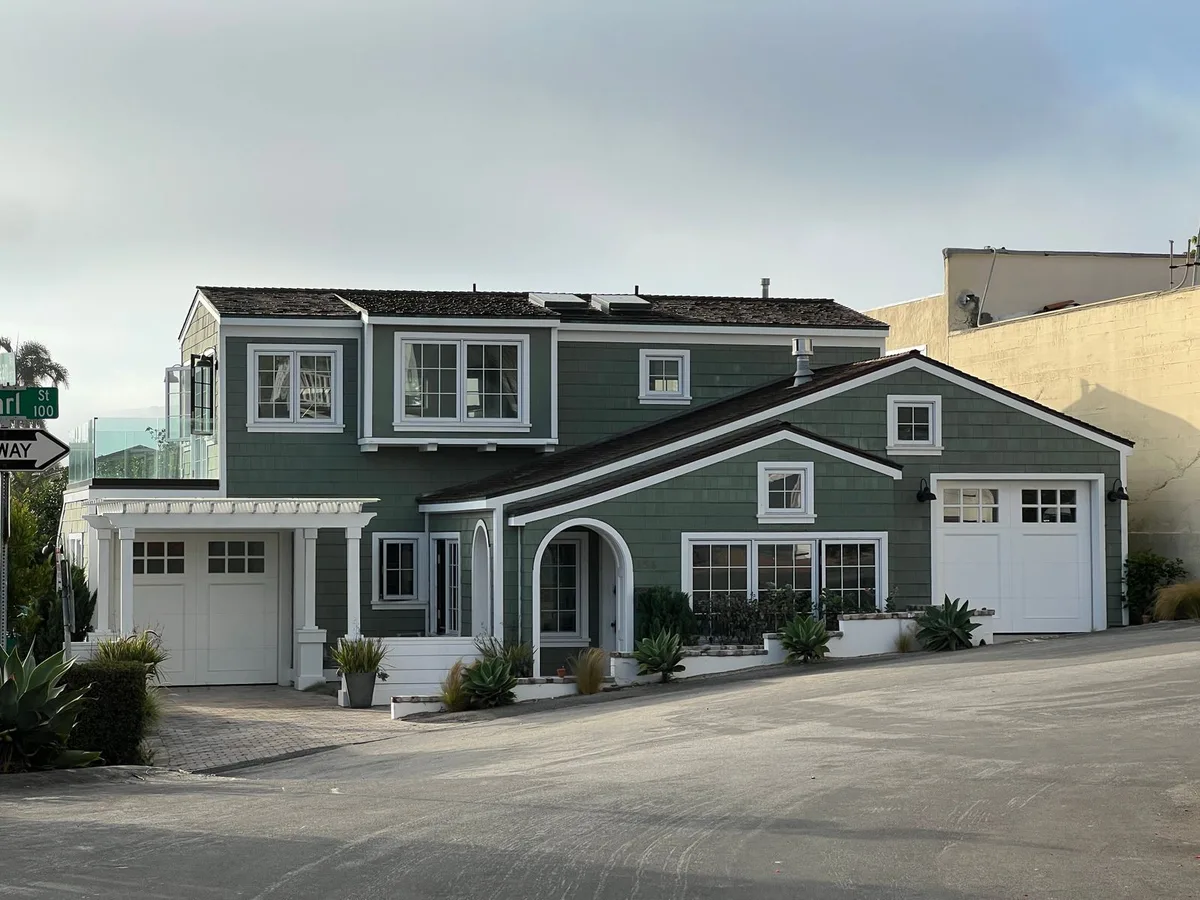
Edging And Driveway Landscaping Ideas
Edging is the detail that separates a tidy driveway from a sprawling one. A brick, stone, or concrete border holds loose materials in place, protects lawn edges from tire damage, and gives the eye a clean line to follow. It also lets you use a premium material as an accent, such as a paver border around a concrete or asphalt drive, without paying for premium paving across the whole area.
Driveway landscaping ideas work best when planting is kept practical. Choose plants that tolerate heat reflected from paving, occasional splashes, and light foot traffic near edges. Low shrubs, ornamental grasses, and ground cover soften hard edges without blocking views or dropping heavy leaf litter onto the surface. Leave enough clearance so mature plants do not crowd the drive or scratch cars, and keep taller planting away from the sightline where you reverse onto the street.
A planting strip between the driveway and the walkway can tie the entrance together, especially when it repeats plants used elsewhere in the front yard. The same approach works at the porch: a coherent entry sequence, from driveway to walkway to front door, makes the whole front of the house feel designed. For porch styling that pairs well with a refreshed drive, see our porch ideas and front porch ideas.
Avoid planting trees too close to the drive. Roots can lift paving over time, and the repair is far more disruptive than choosing a safer spot at the start. If you love shade near the entrance, pick species known for less aggressive roots in your area and give them generous soil space away from the paved edge.
Drainage And Slope Basics
Drainage is not glamorous, but it decides how long a driveway lasts. The general principle is simple: water should flow gently away from the house and garage, without pooling on the surface or running back toward the building. Published planning guides commonly describe a gentle fall away from buildings, around 2 percent, as a starting point for paved surfaces, with gravel needing a somewhat steeper fall because loose material shifts. These are general planning figures, not a substitute for local requirements, and the right slope for a particular site depends on soil, rainfall, existing levels, and any local rules.
Watch for warning signs on an existing drive: standing water after rain, dark damp patches near the garage, water running toward the house, or ice forming in the same spots each winter. Those signs suggest the fall, the drainage outlets, or the surface condition needs professional attention. Options a contractor may consider include reshaping the fall, adding a channel drain across the entrance, using permeable pavers or gravel, or directing runoff to a suitable garden or drainage area. What is appropriate depends on the site, and work that connects to public drains or alters levels near a building should always be checked with a qualified professional and, where required, the local authority.
Permeable choices deserve a mention here. Permeable pavers, gravel, and ribbon drives let more rain soak through instead of running off into the street. That can ease puddling and reduce runoff, but these systems only work when they are built over a properly prepared base and maintained, with joints kept clear of debris. A permeable surface laid over compacted soil without the right base will behave much like an ordinary one, so installation quality matters more than the label.
Mistakes To Avoid
Most driveway disappointments come from a handful of avoidable decisions. Keeping these in mind during planning saves more money than any bargain material.
- Choosing a material for looks alone, without checking how it copes with your climate, slope, and maintenance appetite.
- Skipping ground preparation or a proper base to cut costs, which often shows up later as cracking, sinking, or rutting.
- Making the drive too narrow, so doors open onto lawn, edges crumble, and parking becomes a daily squeeze.
- Ignoring drainage, especially on drives that slope toward the house or garage.
- Planting trees or large shrubs too close to the paved edge, where roots can lift the surface.
- Mixing too many materials, colors, and patterns in a small front yard, which looks restless rather than premium.
- Forgetting lighting and edging, the two details that most affect how finished a drive looks after dark and up close.
A useful rule is to spend first on the things you cannot easily change later: the base, the fall, the width, and the edging. Surface finishes can be refreshed, sealed, or partly replaced, but a poorly shaped or poorly drained drive is expensive to fix.
Frequently Asked Questions
Which Driveway Material Lasts The Longest?
Concrete and pavers generally offer the longest service life when they are properly installed and maintained, with concrete often lasting for decades and pavers allowing individual repairs. Asphalt can also last well with regular sealing, while gravel lasts indefinitely as a material but needs regular topping up to stay even and attractive. Climate, ground conditions, and maintenance matter as much as the material itself.
Are Pavers Worth The Extra Cost Over Concrete?
Pavers are worth considering when pattern, repairability, and curb appeal matter most, or when you want a premium finish that can be repaired in sections. If budget is tight and the priority is a clean, durable surface, well-finished concrete usually gives better value. Using pavers as a border or apron can capture much of the premium look at a lower total cost.
Is A Gravel Driveway A Good Choice For A Front Yard?
Gravel works well for relaxed and rural-style front yards, larger plots, and homeowners who accept light, regular maintenance. It is less suited to steep slopes, very small front yards where loose stones scatter easily, or homes where smooth, firm access matters most. Strong edging and a compacted base make a large difference.
How Do I Keep A Driveway From Flooding Or Pooling?
Start by checking where water goes after rain and whether it pools or runs toward the house. Gentle falls away from the building, clear drainage outlets, permeable surfaces, and channel drains are common approaches, but the right fix depends on the site. Persistent pooling, water near the foundation, or work involving public drains should be assessed by a qualified professional rather than guessed at.
Can I Refresh An Old Driveway Without Replacing It?
Often, yes. Cleaning, sealing, crack filling, and resurfacing can revive concrete and asphalt that are structurally sound, and pavers can be re-leveled in sections. Full replacement is usually needed when the base has failed, cracking is widespread, or drainage problems run through the whole drive. A contractor can advise which category an old drive falls into.
A Driveway That Works As Good As It Looks
The best driveway ideas share a quiet quality: nothing about them fights daily life. Cars park easily, rain drains away, edges stay crisp, and the front of the house looks considered rather than patched together. You do not need the most expensive material to achieve that, but you do need honest choices about climate, layout, drainage, and upkeep.
Start with how you use the space, choose a material that suits your house and your willingness to maintain it, and spend first on the base, the fall, and the edging. Then let planting and lighting do the softening work. Done that way, a driveway stops being an afterthought and becomes one of the strongest curb appeal upgrades a home can have. For a broader planning reference on materials, widths, and drainage, see This Old House’s guide to planning driveways and sidewalks.