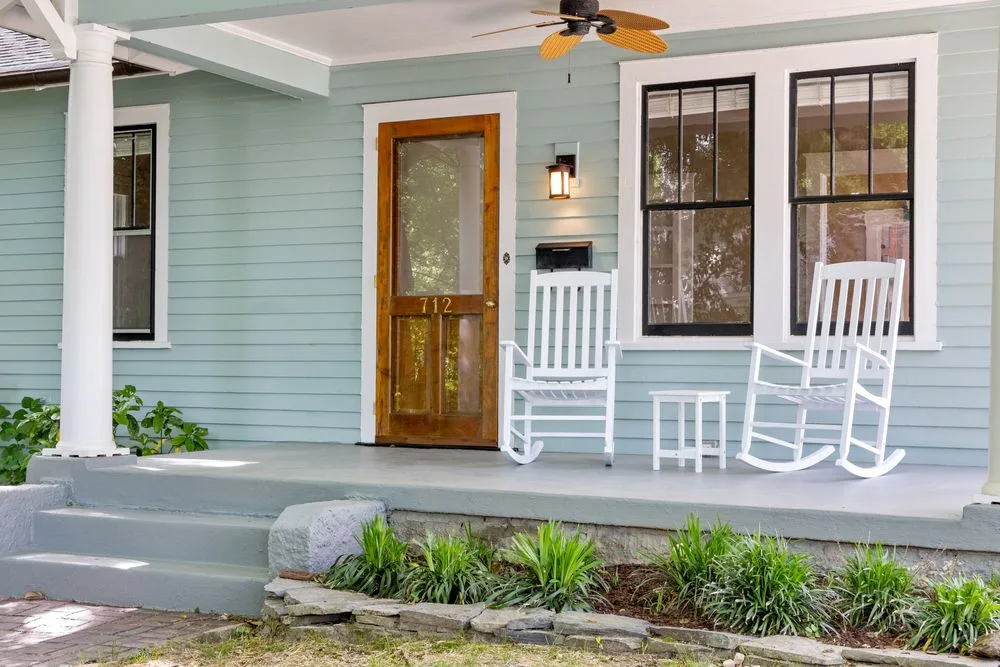
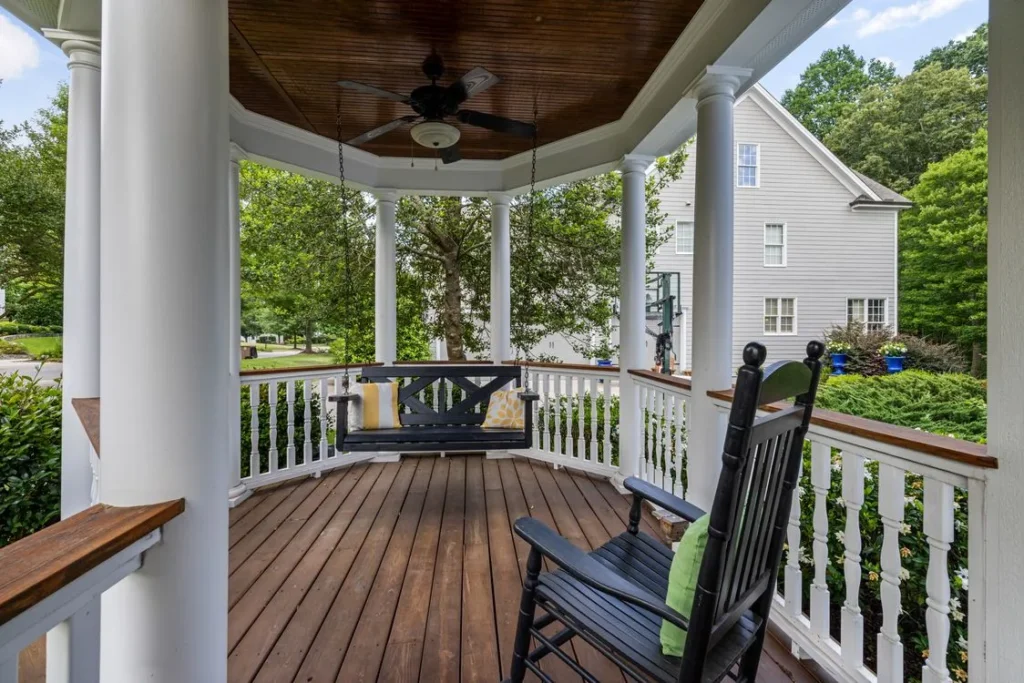
Few pieces of outdoor furniture change a porch as completely as a swing. A chair sits on a porch. A swing makes the porch a destination. The gentle motion, the shared seat, and the view from the best spot in the house combine into something no other porch seat offers, which is why porches with swings tend to be the porches that actually get used.
Getting a swing right, though, takes more thought than hanging a seat from the ceiling. The swing has to suit the porch’s size, its structure, and the way your household will use it. A swing that is too large for a small porch will dominate the space and block the door. A swing hung from a ceiling that cannot carry it is not charming; it is dangerous. Start with the porch you have, choose the swing that fits it, and hang it properly, and the result will be the seat everyone argues over in the best way.
Choose The Swing For Your Porch Size
Getting the dimensions right is the first decision, and it is the one most often got wrong. A standard two-seat porch swing is roughly four to five feet wide and needs clear space on both sides, plus room to swing forward and back without hitting a wall, a railing, or the front door. Measure the porch depth as well as its width: a swing needs at least a couple of feet of clearance behind it and in front of it, or every gentle push will end in a bump.
On a small porch, a single-seat swing or a compact two-seat swing keeps the porch usable. A single swing still gives the motion and the charm, and it leaves room for a small table and a chair beside it. On a deep porch, a wider swing or even a porch bed swing becomes possible. Bed swings, which are essentially a daybed hung from the porch ceiling, suit deep, covered porches where the swing can become a reading nook or a nap spot. They need a strong structure and generous clearance on all sides, so they are a poor choice for a shallow porch, however tempting they look in photographs.
For the broader picture of porch seating and styling, Archly Home’s guide to porch ideas and its guide to front porch ideas show how a swing sits alongside chairs, planters, and lighting on a finished porch.
Materials That Age Well Outdoors
A porch swing lives outdoors, under a roof but still exposed to humidity, temperature changes, and sun. Material choice decides how much maintenance it will need and how long it will look good.
Wooden Swings
Wood is the classic porch swing material for a reason: it looks warm, it feels comfortable, and it suits almost any house style, from a farmhouse to a cottage. Cedar and teak weather well outdoors, while pine is more affordable but needs regular sealing or painting to resist moisture. A wooden swing will need periodic refinishing — a light sand and a fresh coat of exterior sealant every year or two in most climates — and that maintenance is part of the bargain. Choose a swing with smooth, rounded edges and a comfortable seat depth, not just a pretty profile.
Metal And Wicker Swings
Metal swings, often in wrought iron or powder-coated steel, suit more formal or traditional porches and need little maintenance beyond occasional touch-ups where the coating chips. They can feel harder than wood, so cushions matter more. All-weather wicker and resin swings offer a softer, more casual look and resist moisture well, though cheaper versions can fade or sag over time. Whatever the material, check the weight rating and the frame’s sturdiness before buying: a swing that flexes under two adults is not a bargain, whatever its price.
Hanging A Swing Safely
This is the section to take most seriously, because a swing is only as safe as its hanging points. A porch swing must hang from structural framing — ceiling joists or a beam — never from ceiling boards, trim, or a decorative beam that carries no load. If you cannot identify the joists, or if the porch ceiling is finished and hides them, ask a builder or a knowledgeable tradesperson to locate them before you drill anything.
Use hardware rated for the swing’s weight plus its occupants, with a safety margin, and hang the swing level. If your porch ceiling hides the framing, This Old House’s porch swing installation guide shows how a support beam is added above the ceiling so the swing bolts into structure, not just ceiling panels. Chains are the most common hanging method and allow easy height adjustment; ropes give a softer, more rustic look but need regular inspection for wear. Hang the swing so the seat sits at a comfortable sitting height, roughly the height of a dining chair, and check that it swings freely in both directions without touching walls, railings, posts, or the door swing. After hanging, test it gently with weight before anyone settles in for an evening, and re-check the hardware and chains at the start of each season.
Styling A Swing So It Gets Used
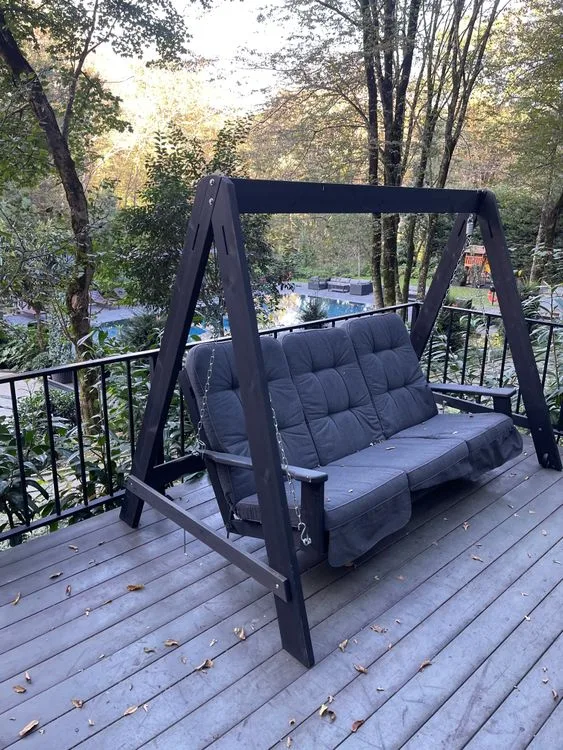
A swing that looks good but feels bare will sit empty. Cushions are the first addition, and they should be made for outdoor use so they dry after rain and resist fading. Choose a seat cushion thick enough to be comfortable for an hour, not just for a photograph, and add two or three back cushions in a washable outdoor fabric. A throw blanket, kept in a nearby basket or a weatherproof box, turns a swing into an evening seat even when the air cools.
Lighting changes how a swing is used after dark. A porch light near the swing, a lantern on a side table, or string lights along the porch ceiling all make the swing inviting in the evening without harsh glare. A small side table within arm’s reach holds a drink or a book, and a planter or two beside the swing softens its edges and ties it to the rest of the porch. Keep the styling light, though: a swing buried under cushions and throws is harder to sit in than one with a few well-chosen pieces.
Porch Swing Ideas For Different Homes
A Classic Front Porch Swing
The traditional wooden swing, painted white or left natural, with a simple chain hang and a couple of cushions, suits most front porches and most house styles. It reads as welcoming from the street and comfortable from the seat, which is exactly the combination a front porch needs. Pair it with a rocking chair or two and a simple doormat, and the porch feels finished without feeling staged.
A Bed Swing For A Deep Porch

A porch bed swing turns a deep, covered porch into an outdoor room. Dress it like a daybed, with a firm mattress, outdoor bedding, and plenty of pillows, and it becomes a reading spot, a nap spot, and the seat children will claim first. Because a bed swing is heavy and large, it needs the strongest hanging points and the most clearance, and it works best on a porch that is covered and protected from driving rain.
A Modern Swing For A Small Porch
Modern porch swings tend to be simpler in shape, with clean lines, a single colour, and minimal ornament. A compact modern swing in a dark metal or a natural wood suits a contemporary house and a smaller porch, because its simple shape does not visually crowd the space. Pair it with one planter and a small side table rather than a full set of porch furniture, and the porch will feel calm rather than cramped.
A Rustic Swing For A Country Porch
A rustic swing — rough-sawn wood, rope hang, simple cushions in natural fabrics — suits a country or cottage porch, especially one with wooden posts and a garden view. The key to rustic styling is restraint: one or two natural materials, repeated consistently, look intentional. A porch crowded with rustic signs, lanterns, and baskets quickly stops looking rustic and starts looking like a shop display.
Keeping A Swing Comfortable Year After Year
A porch swing repays a little seasonal care. At the start of each warm season, check the chains or ropes, the hanging hardware, and the frame for wear, rust, or loosening. Tighten anything that has worked loose, and replace worn rope or corroded hardware rather than hoping it lasts another season. Clean the seat and cushions according to their material, and store cushions indoors during long wet spells or over winter if the porch is exposed.
In winter, a wooden swing benefits from a cover or from being taken down and stored if the porch is open to snow and ice. A covered porch protects a swing far better than an open one, but even under a roof, a season of damp can dull a finish. A light sand and a fresh sealant coat in spring will keep a wooden swing looking cared for rather than weathered beyond repair.
Frequently Asked Questions
How Much Space Does A Porch Swing Need?
Allow the swing’s width plus clear space on both sides, and at least a couple of feet of swing clearance in front and behind it. Measure the porch depth carefully: a swing that cannot move freely without hitting a wall or railing will be uncomfortable and may damage the porch.
Can Any Porch Ceiling Hold A Swing?
No. A swing must hang from structural ceiling joists or a beam, never from ceiling boards or decorative trim. If you cannot locate the joists, have a builder confirm the structure before hanging a swing.
What Is The Best Material For A Porch Swing?
Cedar and teak age well outdoors with periodic sealing. Powder-coated metal needs less maintenance but benefits from cushions for comfort. All-weather wicker suits a casual porch. Choose based on your porch style, your willingness to maintain wood, and the swing’s weight rating.
A porch swing is a small investment with an outsized return: it turns a porch from a passage into a place. Choose a size that fits the porch, a material you are willing to maintain, and hanging hardware you trust, then style it simply enough that people actually sit in it. Do that, and the swing will do what it has always done best — slow an evening down, one gentle push at a time.