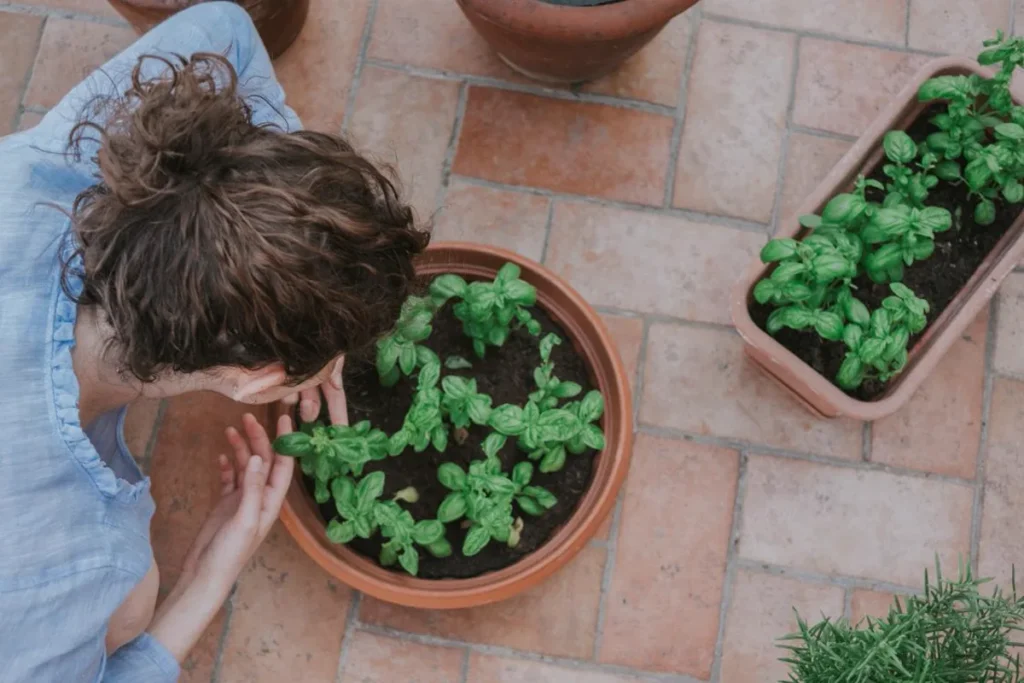
Growing herbs indoors is less about having a green thumb and more about getting three things right: enough light, careful watering, and regular picking. Most indoor herbs fail for just two reasons. They sit in a dim corner, or they sit in wet soil. Fix those two habits and the rest becomes simple. This guide covers ongoing indoor herb care, from daily light and water to feeding, pruning, and common problems.
How Much Light Indoor Herbs Need?
Light is the single biggest factor in growing herbs indoors. Most culinary herbs are sun lovers and want at least six hours of bright light a day. A south-facing window is usually the best spot, with a west-facing window as a solid second choice. East-facing windows suit the more tolerant herbs, while a north-facing window on its own is rarely enough.
If your windows cannot deliver that much light, especially in winter, a grow light closes the gap. Keep a full-spectrum LED light about six to twelve inches above the plants and run it for twelve to sixteen hours a day. A simple timer takes the remembering out of it. Light drops off fast with distance, so the lamp needs to be close to the leaves, not across the room.
Watch the plants. Stems that stretch long and pale, with small leaves spaced far apart, are asking for more light. A plant leaning hard toward the window needs a quarter turn every few days so all sides get their share. For a deeper read on indoor herb lighting, the Old Farmer’s Almanac guide to growing herbs indoors covers window direction and grow light setup in detail.
How To Water Indoor Herbs Without Rotting The Roots?
If light is the biggest factor, watering is the most common mistake. Indoor herbs die from overwatering far more often than from drying out. Pots indoors dry slowly, and a plant sitting in a saucer of water will rot its roots quietly.
Forget a fixed schedule and check the soil instead. Push a finger about an inch into the mix. If it feels dry at that depth, water. If it still feels damp, wait a day and check again. When you do water, water thoroughly until it runs from the drainage holes, then empty the saucer so the pot never stands in water. Room-temperature water is kinder to roots than cold water straight from a cold tap.
Different herbs want different amounts. Basil, mint, and parsley like steady moisture and sulk if they dry out completely. Thyme, rosemary, and oregano prefer to dry down between waterings and forgive a missed day more easily. Group herbs with similar thirst together, or simply keep each herb in its own container.
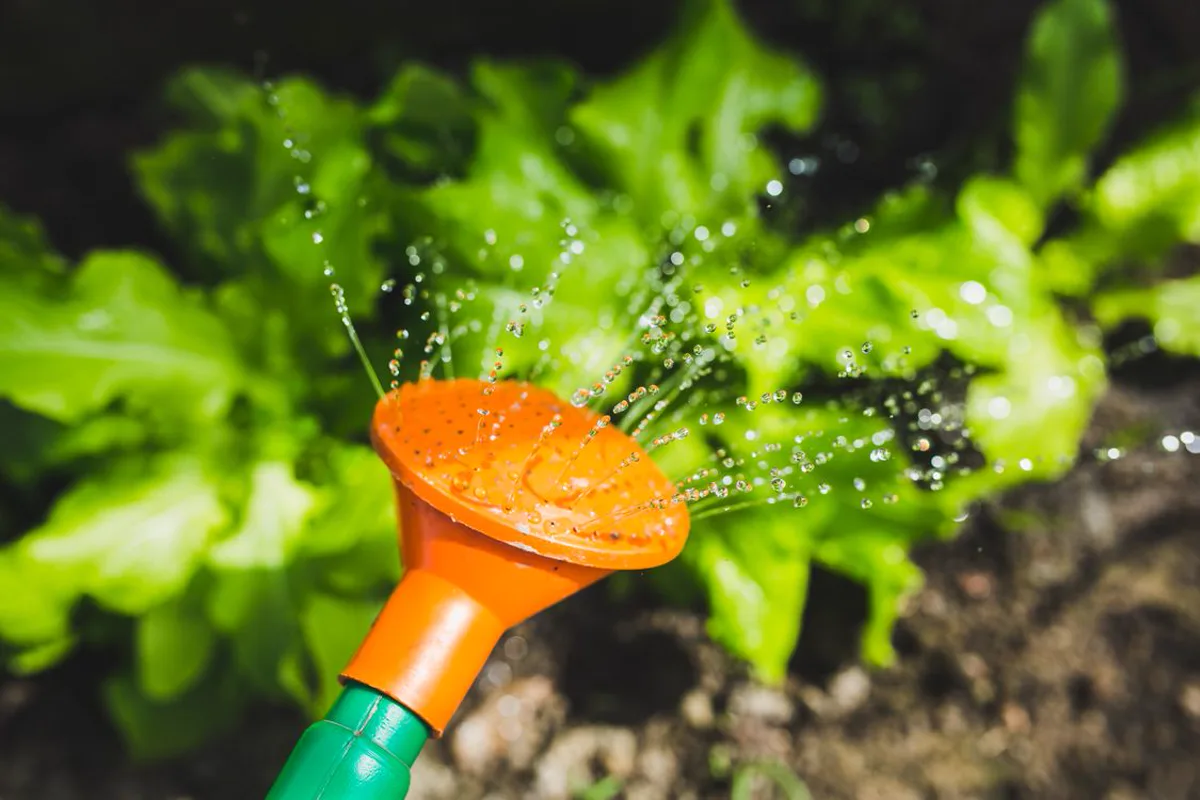
Bottom watering is worth trying if you tend to overwater. Set the pot in a shallow tray of water for fifteen to twenty minutes, let the mix drink from below, then lift it out and drain it. It also keeps the surface drier, which helps against fungus gnats. In winter, when growth slows and light drops, most herbs need noticeably less water, so the finger test matters even more.
What To Feed Indoor Herbs, And How Little Is Enough?
Herbs are light feeders, which is good news, because feeding is where many indoor growers go wrong by being generous. A diluted liquid houseplant fertilizer once every four to six weeks during the growing season is plenty. Feed only while the plant is actively growing. A herb sitting still in dim winter light does not need food, and feeding it anyway builds up salts in the mix.
Too much fertilizer shows up as soft, leggy growth with plenty of leaves but weak flavor. Herbs grown lean, with modest feeding and strong light, usually taste more intense than herbs pushed hard with fertilizer. If you are unsure whether to feed, skip it. An underfed herb grows slowly. An overfed herb can burn roots and lose the very flavor you grew it for.
Pots, Soil, And Drainage That Keep Roots Healthy
Every indoor herb pot needs drainage holes. No exceptions worth making. A decorative pot without holes can still work as a cachepot, with a plain nursery pot sitting inside it, as long as you lift the inner pot out and empty drained water after watering. Soggy bottoms cause more herb deaths than any pest.
Use a light, bagged potting mix made for containers, ideally with perlite mixed in for air. Garden soil is too dense for pots. It compacts, holds too much water, and can carry pests indoors. A pot around six inches wide suits most single herbs, and mint should always get a pot to itself, since it spreads fast enough to crowd out its neighbors.
Repot when roots circle the drainage holes, or when a plant that used to drink steadily now dries out within a day. Move up just one pot size, refresh the mix, and water well after the move. A constantly thirsty plant is often just root-bound, not under-watered.
Best Herbs To Grow Indoors
The best herbs to grow indoors are the ones you actually cook with, but some varieties simply handle container life better than others. These six are the most forgiving choices for a windowsill or a shelf under a light.
| Herb | Light | Water | Indoor Notes |
|---|---|---|---|
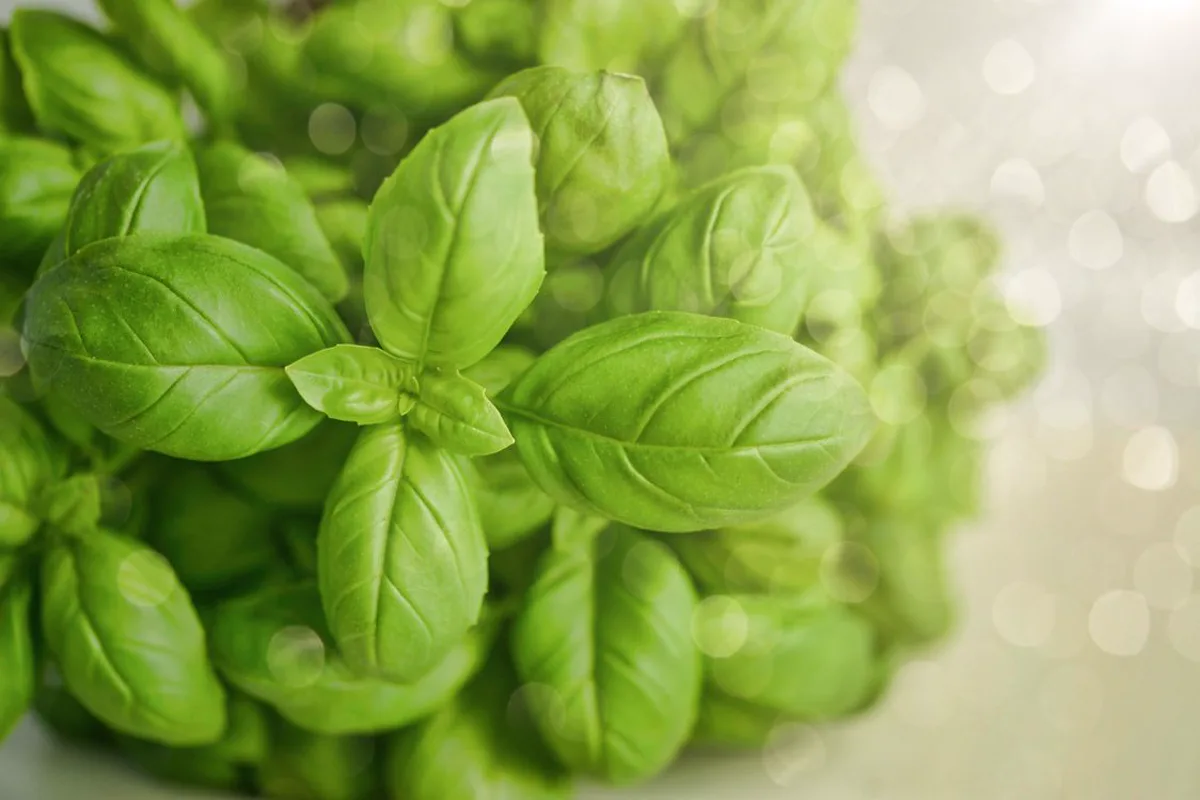
| Basil | Bright, six or more hours | Steady moisture | Pinch tips often, remove flower buds, loves warmth |
| Mint | Medium to bright | Steady moisture | Keep in its own pot, it spreads aggressively |
| Parsley | Medium to bright | Even moisture | Slow to start, then long-lived and steady |
| Chives | Bright | Light, even moisture | Cut about two inches above the soil, regrows fast |
| Thyme | Bright, direct sun | Let dry between waterings | Handles dry indoor air better than most herbs |
| Oregano | Bright, direct sun | Let dry between waterings | Compact, drought-tolerant once established |
Two popular herbs deserve an honest warning. Cilantro grows fast but bolts, rushing to flower and seed in warmth, so treat it as a short-lived crop you sow again every few weeks. Rosemary can be fussy indoors. It wants strong light and dryish soil, and sulks in cold drafts or constantly wet mix. Start with the forgiving six, then add rosemary once your routine feels easy.
How To Prune And Harvest For Bushier Plants?
Pruning indoor herbs for bushier growth is mostly a matter of picking often and picking correctly. When you pinch a stem just above a pair of leaves, the plant usually branches into two stems below the cut. Do that regularly and a thin seedling turns into a full, bushy plant. Leave a stem unpicked and it grows tall, woody, and sparse.
Take no more than about a third of a plant at any one time, so it keeps enough leaves to feed itself and bounce back. Morning is the best time to harvest, when the leaves hold their strongest flavor. For basil, pinch off flower buds as soon as they appear, since flowering shifts the plant’s energy away from leaves and can turn the flavor bitter. Chives are the exception to the gentle approach. Cut them down to about two inches above the soil and they regrow quickly.
Short-lived herbs need a different plan. Sow a small fresh batch of cilantro or basil every four to six weeks, so a young plant is always coming along while the older one finishes. Regular picking is not hard on herbs. It is the maintenance that keeps them productive.
A Simple Weekly Routine For Indoor Herbs
A routine beats guesswork, and this one takes only a few minutes a week.
- Glance at the plants daily while you are in the kitchen. Drooping or pale leaves are early warnings, not emergencies.
- On watering day, check each pot with the finger test before watering, and empty every saucer after.
- Once a week, give each pot a quarter turn so growth stays even, and snip off any yellow or damaged leaves.
- Once a month in the growing season, feed with diluted liquid fertilizer and check whether any plant needs a bigger pot.
- Every few weeks, harvest or pinch back the fastest growers, especially basil and mint, before they get leggy.
Common Problems And How To Fix Them
Why indoor herbs grow leggy is the question every indoor grower asks sooner or later, and the answer is almost always light. Move the plant to a brighter window or add a grow light, rotate the pot, and prune the stretched stems back to encourage branching. New growth under better light comes in denser.
Yellow leaves usually point to water. Overwatering is the likelier cause indoors, especially if the soil feels wet and the pot has no drainage. Let the mix dry out, check that water can escape, and only then resume watering. A few yellow lower leaves on an otherwise healthy plant can also just be old leaves.
Fungus gnats, tiny flies hovering over the soil, breed in constantly damp mix. Let the top inch dry between waterings, water from the bottom for a while, and remove dead leaves from the surface. Spider mites show up in dry indoor air, leaving speckled leaves and fine webbing. Raising humidity helps: group pots together, set them on a pebble tray, or mist occasionally. Isolate an affected plant quickly so pests do not spread.
Weak flavor has a quieter cause. Too much fertilizer and too little light both produce lush but bland leaves. Ease off feeding, move the plant closer to the light, and taste the difference a few weeks later.
When To Move Herbs Outdoors Or Start Fresh?
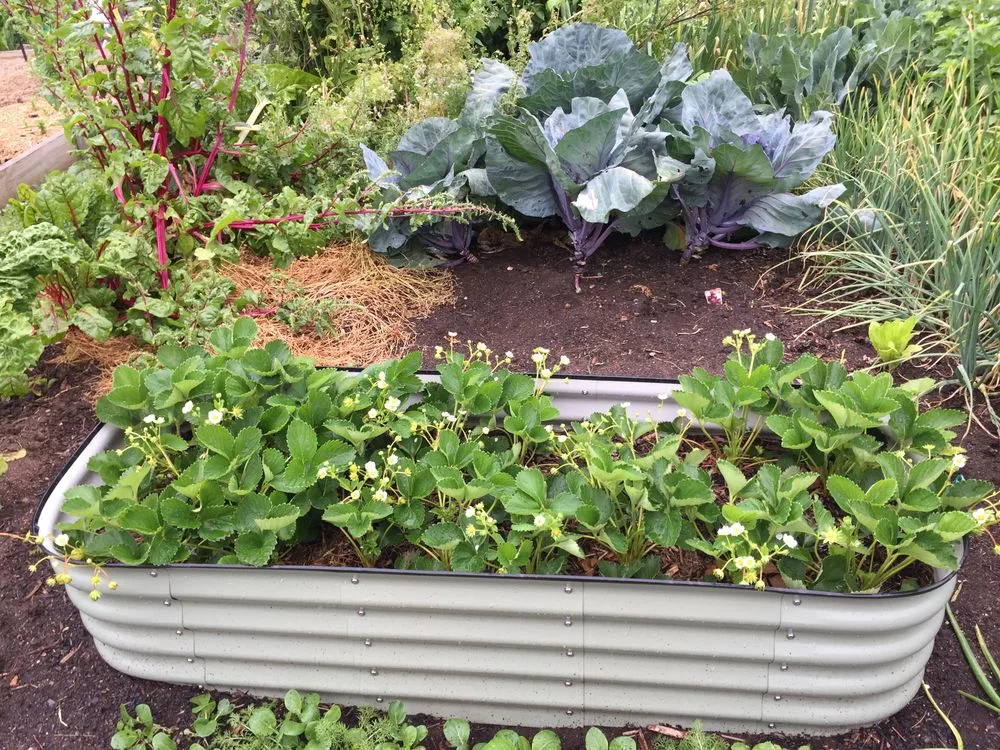
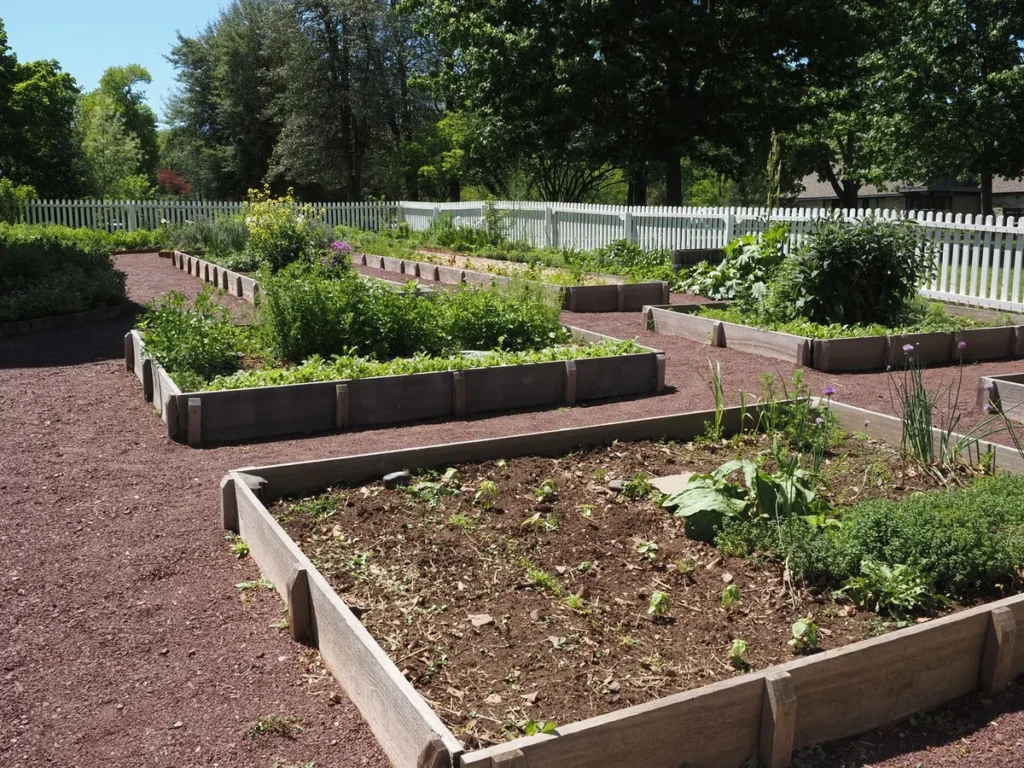
Not every herb belongs indoors forever. A woody rosemary or a mint that has outgrown its pot may do better outside in summer. Shift outdoor-bound plants gradually, starting with a few hours of shade and building up to full sun over a week, so leaves do not scorch. If you are planning that move, it helps to have the outdoor setup ready first. Our guide to how to build a raised garden bed covers the build, and how to fill a garden bed covers the soil layers that go inside. Cedar is a good material choice for outdoor beds, which is why our cedar garden bed guide focuses on that wood.
Some herbs are simply finished, and replacing them is not failure. Cilantro that has bolted, a basil plant gone woody after months of picking, or a tired parsley plant can all be composted and replaced with a fresh start. Indoor herb growing works best as a rolling routine: a few steady plants, a few fresh sowings, and regular picking in between.
FAQs
How Often Should I Water Indoor Herbs?
Water only when the top inch of soil feels dry, then soak until water drains from the bottom and empty the saucer. Most indoor herbs need water roughly once a week in normal conditions, but the finger test beats any calendar. Basil and mint usually need water more often than thyme and rosemary.
Do Indoor Herbs Need A Grow Light?
Not always, but often. A bright south-facing window giving six or more hours of direct light can be enough. If your windows are small, shaded, or north-facing, or if growth turns leggy in winter, a full-spectrum LED grow light run for twelve to sixteen hours a day makes the difference.
Why Are My Indoor Herbs Growing Leggy?
Leggy growth almost always means too little light. Move the plant closer to the window or add a grow light, rotate the pot regularly, and prune stretched stems back to a leaf node so new growth branches out denser.
How Much Of An Indoor Herb Can I Harvest At Once?
Take no more than about a third of the plant at one time. That leaves enough foliage for the plant to keep growing and recover quickly. For day-to-day cooking, snipping a few stems as needed is the gentlest approach.
Can I Grow Herbs Indoors Through Winter?
Yes, with adjusted expectations. Growth slows as light drops, so water less, skip feeding while plants are quiet, and add a grow light if stems start stretching. Chives, parsley, and thyme usually keep going, while basil may need extra warmth and light.
Conclusion
Growing herbs indoors comes down to a routine you can actually keep. Give them a bright window or a nearby grow light, water only when the top inch of soil is dry, feed lightly and only while they are growing, and pick often enough to keep them bushy. When something looks off, check light first and water second, because those two explain most indoor herb problems. Keep that rhythm going and your windowsill will pay you back with fresh leaves in every season.